
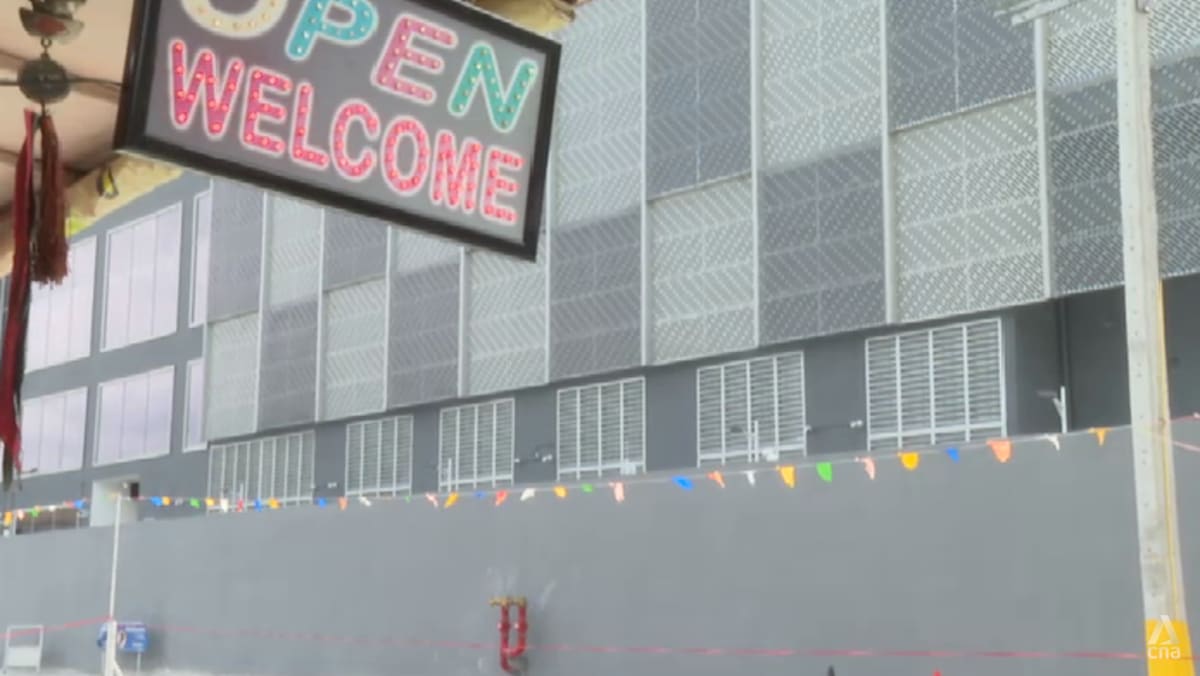
BANGKOK: When construction began on a data centre across from tailor Nathinan Limjam’s small workplace in central Bangkok three years ago, she did not know what the grey, almost windowless building would house.It was only recently that she learnt what it was – and the discovery left her worried about the potential safety risks of having a data centre so close to where she works.“We didn’t know what it was before, but now that we do and how this could affect us, that worries me,” said Nathinan, who has worked as a tailor for six years.Her concerns come as data centres expand across Bangkok, driven by growing demand for computing capacity amid the artificial intelligence boom. The facilities consume large amounts of electricity, while some store hundreds of thousands of litres of diesel for backup power, drawing scrutiny over their environmental impact and safety. Tailor Nathinan Limjam speaking to CNA. (Image: CNA) There are more than 30 data centres in the Thai capital, including several in residential or commercial areas.One facility CNA visited is located on Rama IX Road in central Bangkok, next to a hospital and on the same street as a hawker centre.REGULATORY GAPSSome data centres have been classified as warehouses or offices rather than industrial facilities, allowing them to avoid stricter safety, environmental and zoning requirements.Opposition MP Suphanat Minchaiynunt raised the issue of diesel reserves at data centres in a Facebook post in August, saying one facility in Bangkok's Bang Kapi district stores 429,000 litres.He said the facility is not considered a fuel depot under Thailand's Fuel Control Act because it stores less than 500,000 litres of diesel, but added that it is still required to have a fuel storage licence. His post sparked public debate over data centres operating in residential and commercial areas of Bangkok, prompting authorities to take action.The Bangkok Metropolitan Administration has suspended new data centre licences and ordered existing facilities to comply with environmental and safety regulations.Bangkok authorities have also said that new rules being considered will cover areas including fuel storage, land use, safety, and electricity and water consumption.GOVERNMENT MOVES TO CLOSE LOOPHOLESThailand's newly established Data Centre Business Policy Committee held its first meeting on Sep 4, bringing together officials including ministers responsible for finance, the digital economy and energy.Deputy Prime Minister and Finance Minister Ekniti Nitithanprapas, who chairs the committee, said the government wants to close regulatory loopholes and create a centralised overview of the country's data centres.“The goal we discussed today is to set a minimum standard that everyone must meet, taking care of civilians and taking care of the environment,” he said.“For those who want to invest, we will evaluate their value and benefit to the country. Information about data centres is currently scattered. We will gather it all in one place, make it transparent, and keep it organised.”The committee has given itself a month to draw up an initial policy framework setting out minimum rules for the sector.Thailand sees significant economic potential in the data centre industry, with investments in the country already exceeding US$20 billion.But their energy demands pose a challenge as Thailand works towards its pledge to achieve carbon neutrality by 2050.For tailor Nathinan, clear measures are needed to protect both her safety and her business.“If they find some ways to protect or insure us, that would be acceptable. Otherwise, I don’t know where else I’d go. I’ve been here for a while and have a lot of customers.”
Bangkok data centres face scrutiny over safety, regulatory gaps
Full Article
Original Source
Read the full article at Channelnewsasia →KhanList aggregates and links to publicly available news content. We do not host full articles from third-party sources. Always verify important information with original sources.