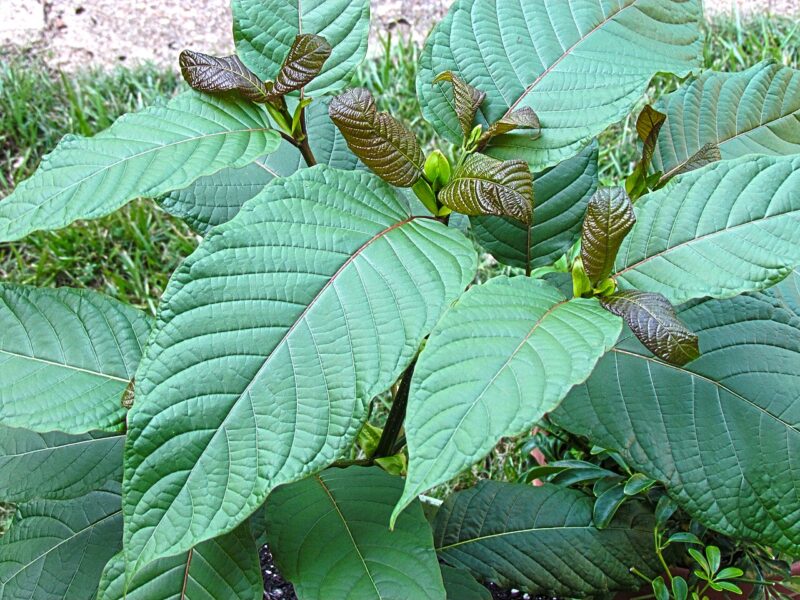
The mayor and city council of Baltimore say Kratom sellers have a "callous" disregard for public health and safety.BALTIMORE (CN) — The mayor and city council of the city of Baltimore are suing the manufacturers and distributors of multiple kratom products, claiming their marketing and sale is illegal under the city’s consumer protection ordinance.“Defendants’ actions demonstrate a callous disregard for the public health, safety, and well-being of the city’s residents,” the plaintiffs say in the complaint filed in Baltimore City Circuit Court.They accuse an array of kratom companies and John Doe defendants of “engaging in unfair, abusive, or deceptive trade practices in the sale or offer for sale of Kratom Products.”Filed by Baltimore City Solicitor Ebony M. Thompson along with Gordon Wolf and Carney, Chartered, of Baltimore County, and a brace of lawyers from Grant & Eisenhofer, P.A. of Wilmington Delaware, the lawsuit is the latest blow to the kratom industry, which faces stricter regulation and numerous lawsuits brought by relatives of people killed by overdoses of the substance sold widely online and in service stations.Kratom is a South Asian tree whose leaves are psychoactive when chewed or brewed into a tea, offering users a pick-me-up when taken in small doses, but creating a euphoric feeling when ingested in higher doses. It is addictive and has been touted as an addiction medicine for users of opioids, as its main active alkaloid, mitragynine, binds to the same receptors in the brain as opioids.The federal Food and Drug Administration and Drug Enforcement Agency moved to classify kratom as an illegal drug a decade ago, but the industry rallied to prevent that, so it occupies a gray area of federal law: illegal to import but not illegal to sell or possess. Multiple states have banned it and others have moved to regulate it, often guided by the American Kratom Association, a nonprofit advocacy organization whose chief lobbyist, Mac Haddow, pushes an industry-friendly model law called the Kratom Consumer Protection Act.Haddow did not immediately reply to a request for comment. The city’s lawyers also did not respond to a request for comment Tuesday evening.Maryland effectively banned the sale of kratom statewide as of July 1 under the state’s Kratom Consumer Protection Act, which would allow kratom sales only if the FDA approves its use as a drug or a dietary ingredient.The Baltimore lawsuit characterizes the defendants, Dallas-based Open, LLC, Pur Botanicals LLC of Marietta, Georgia, and other unnamed defendants as corporate cat’s paws of Mark Jennings, Peyton Palaio and Mark Daniel James Reilly, long-time kratom entrepreneurs behind the O.P.M.S. brand, which specializes in so-called kratom shots, concentrated extracts of kratom’s active ingredients said to relieve pain and/or create euphoria.“Defendants have employed a web of shell companies and alter egos, and use multiple business names, assumed names, and trade names to hide the scope of their operation and to avoid liability for their actions,” the plaintiffs say in the lawsuit. “Defendants constitute alter egos of JOpen, and, therefore, the corporate veil should also be pierced for purposes of personal judication with respect to the Defendants.”Jennings, Palaio and Reilly are also facing a lawsuit in Virginia brought by a consumer who became addicted to their products. Last month a federal judge there allowed a civil conspiracy claim against them to stand.Earlier this year, the Missouri attorney general sued kratom distributors.In May, California sued a kratom distributor under that state’s ban, claiming the company moved and sold products after an inspector “sealed” them and taped over the shelf they were on.The city plaintiffs’ lawsuit takes pains to say what it isn’t: It’s not a class action, and it makes no claims involving federal law: “No issue of federal Constitutional, statutory, or regulatory law is raised herein — not directly, indirectly, or by implication. All issues raised herein relate to the city of Baltimore and the city’s ordinance; therefore, this case does not have national systemic importance or impact, and no issue raised in this case affects the federal system as a whole.”It also isn’t based on the statewide kratom retail sales prohibition, which carries a $1,000 fine for the first offense.Subscribe to our free newslettersOur weekly newsletter Closing Arguments offers the latest about ongoing trials, major litigation and rulings in courthouses around the U.S. and the world, while the monthly Under the Lights dishes the legal dirt from Hollywood, sports, Big Tech and the arts.Additional Reads
Baltimore sues Kratom makers, citing local ordinance
Full Article
Original Source
Read the full article at Courthousenews →KhanList aggregates and links to publicly available news content. We do not host full articles from third-party sources. Always verify important information with original sources.