
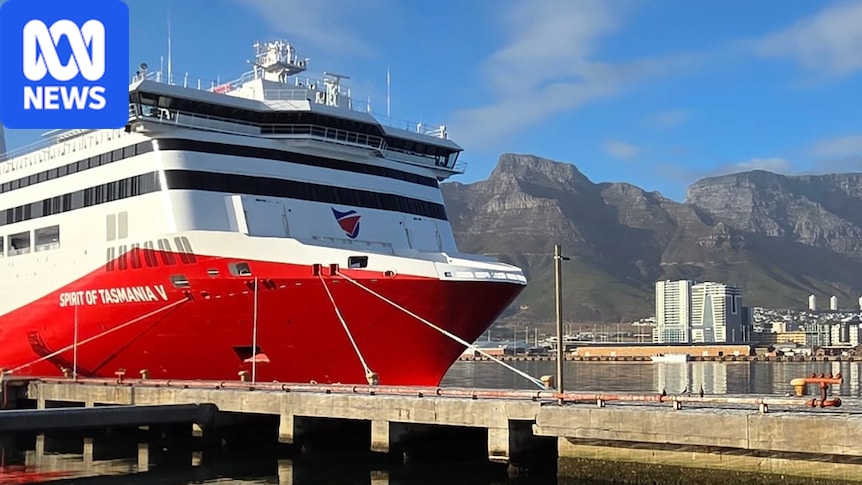
Tasmania's auditor-general has slammed the financial performance of the state's government business enterprises, finding they cost the taxpayer more than $584.64 million to keep afloat last year.In his report, tabled in state parliament today, Martin Thompson also took aim at the companies for not meeting their financial expectations, and hitting just half of their performance targets.In 2025-26, government businesses returned $158.83 million to the state's coffers.However, they were provided $743.47 million in support, via subsidies and equity contributions.Metro Tasmania is one of several businesses relying on the government to keep it afloat. (ABC News: Ebony ten Broeke)May's state budget projects that figure to keep increasing up to $909 million in 2029, but plans on increased returns to offset that."Declining profitability, increasing borrowings, growing reliance on government support and reduced returns to government are significant trends that warrant ongoing attention and action," Mr Thompson wrote.He forecast the total borrowing by the sector would increase from $5.39 billion to $8.94 billion in 2030.That is on top of the general government sector's borrowings, already $6.82 billion and forecast to hit $9.47 billion by the end of the decade.Treasurer Eric Abetz said the government was already improving the oversight of government businesses, "strengthening accountability, increasing transparency and ensuring these businesses deliver for Tasmanians".Tasmanian Treasurer Eric Abetz (left) with TT-Line chair Ken Kanofski. (ABC News)Ferry operator among struggling companiesMr Thompson also noted the financial sustainability of several entities remained under pressure."TT-Line, Homes Tasmania and Metro Tasmania all reported material uncertainties relating to their ability to continue as going concerns, and their reliance on ongoing government support and funding arrangements to meet future obligations".Martin Thompson (left) forecast the total borrowing by the government business sector would increase from $5.39 billion to $8.94 billion in 2030. (Supplied)In August last year, he determined Spirit of Tasmania operator TT-Line was insolvent. The company disagreed, citing its financial backing from the state.It received an equity contribution of $74.5 million last financial year, and is receiving another $506 million equity contribution over the next four years.The bungled ship replacement program cost $717 million more than expected, and has resulted in years-long delays to the ships entering service.Labor treasury spokesperson Dean Winter said government businesses were "on the brink"."Premier Rockliff and his ministers have completely checked out, failing to monitor compliance, ignoring advice, and letting essential public entities fall into financial distress," Mr Winter said.Economist urges rethink of ruling privatisationEconomist Saul Eslake was commissioned by the Tasmanian government in early 2025 to analyse the potential sale of government businesses.His work ended after the Liberals ruled out any privatisation during the snap state election campaign.He said the auditor-general's financial assessment of government businesses did suggest "careful consideration" should be given to their potential sale."The Tasmanian government does own a broader range of businesses than almost any other state or territory government in Australia," he said.He said the ongoing support the businesses required was a "considerable concern"."In some cases, there are good reasons to think that the poor performance in 2025-26 won't be repeated … there are some other [government businesses], however, who have been long-term, poor performers."Treasury advice lacking, AG saysMr Thompson released a second report yesterday, having audited more than 250 pieces of Treasury Department advice regarding government business oversight.He found the department "did not always support the treasurer" with advice to enable informed decision-making."I found that advice often did not include critical analysis of information, provide available options, outline risks or make clear recommendations to respond to known issues," he wrote."It was a lack of rigour in Treasury's internal processes and practices that led to advice being prepared on an inconsistent basis, lacking adequate details and critical assessment."The Treasury Department has accepted recommendations to "improve the rigour of its reporting and monitoring", and "ensure the Treasurer is consistently provided with comprehensive advice".
Bad report card for government businesses being propped up
Full Article
Original Source
Read the full article at Abc →KhanList aggregates and links to publicly available news content. We do not host full articles from third-party sources. Always verify important information with original sources.