
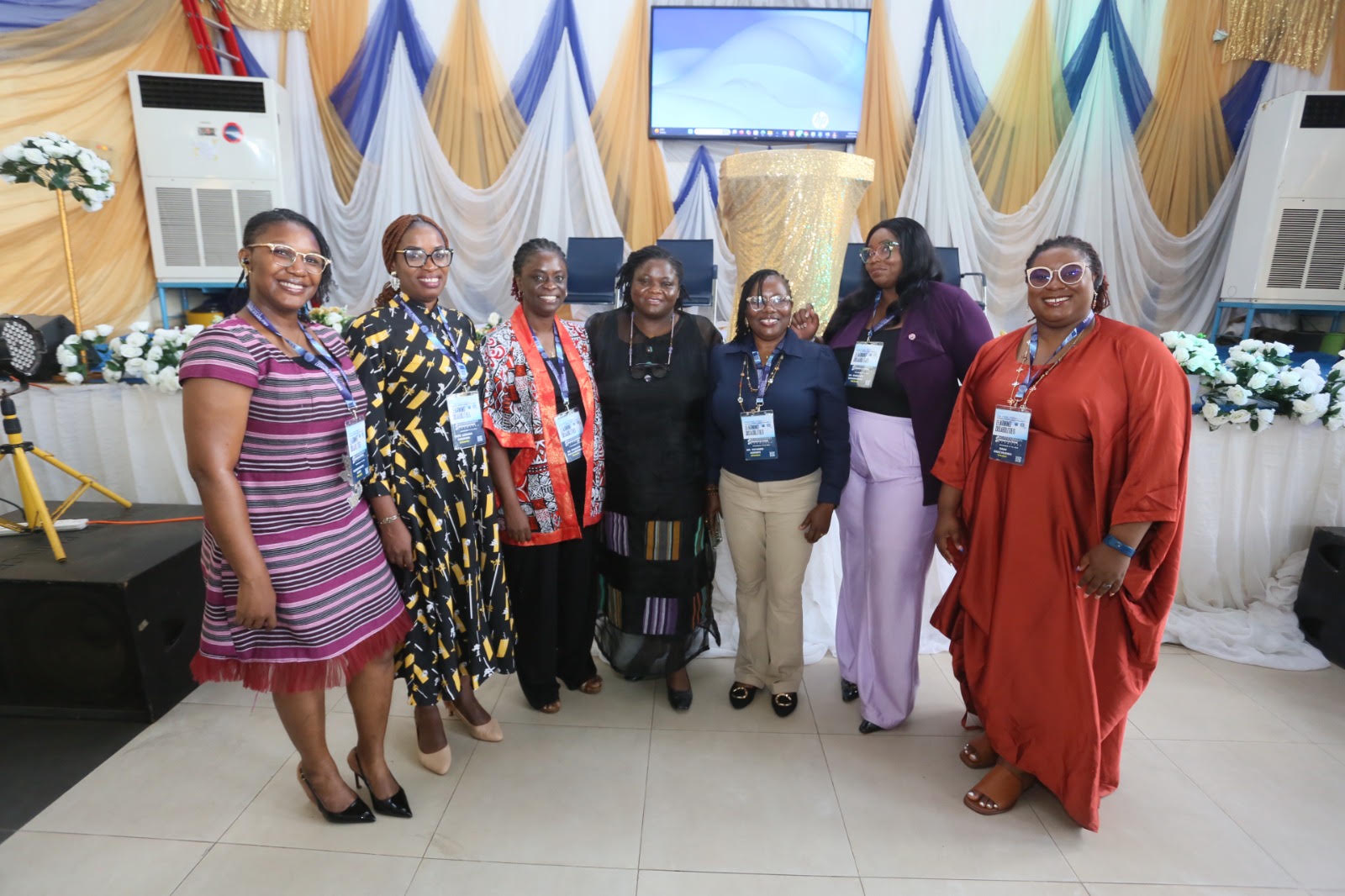
Babcock Conference Seeks Inclusive Education for Neurodiverse Children Follow THISDAYLIVE on GoogleAdd us as a preferred source to see more of our stories in Google Follow us on Google Funmi Ogundare Babcock University’s International Conference on Translational Research in Learning Disabilities (ICTR-LD 2026) has called for a fundamental shift in educational practices, urging schools to abandon one-size-fits-all teaching methods and adopt inclusive approaches that recognise and accommodate the diverse learning needs of children. The conference urged educators, policy makers, researchers and parents to create learning environments where children with conditions such as dyslexia, dyscalculia and other forms of neurodivergence can access quality education and realise their full potential. The two-day conference, held recently, themed, ‘Neurodiversity: Helping Different Minds Learn Better’, brought together educators, clinicians, researchers, university leaders, policymakers, technologists, parents and learners to examine how research on learning disabilities could translate into practical interventions in classrooms, campuses and homes. Speaking at the opening ceremony, President/Vice-Chancellor of Babcock University, Prof. Afolarin Ojewole, challenged participants to reconsider conventional assumptions about intelligence and learning, noting that learning difficulties should not deprive children of educational opportunities. He called on schools to adapt their facilities, curricula and teaching methods to accommodate diverse learners, while urging educators and researchers to develop practical, evidence-based solutions to address their needs. Ojewole described the conference as both a moral and pedagogical turning point in the pursuit of inclusive education, noting that learners with dyslexia, dyscalculia and slow learning processes had suffered in silence because their challenges were often misunderstood. “For too long, learners with dyslexia, dyscalculia, or slow learning processes have suffered in silence. Their struggles have often been mistaken for laziness, while their immense potential has remained buried under rigid and punitive classroom systems,” he stated. Executive Secretary of the Nigerian Educational Research and Development Council (NERDC), Prof. Salisu Shehu, described the conference as an important platform for strategic partnerships in education, research and development. He reaffirmed the role of education in sustainable development, particularly in an era increasingly shaped by digital technology and Artificial Intelligence, and expressed the council’s readiness to explore collaborative opportunities with Babcock University and other institutions. Similarly, the Teachers Registration Council of Nigeria (TRCN), in her remarks delivered by Princess Adaobi Ekwuno on behalf of its Registrar, Dr. Ronke Shoyomo, emphasised the need for research to extend beyond academic publications and translate into improvements in educational quality. She reaffirmed the council’s every child’s right to quality, inclusive and equitable education, regardless of individual learning needs, while emphasing the responsibility of teachers to acquire the competencies required to support diverse learners. Several presentations at the conference examined practical approaches to inclusive education. In its communiqué, the conference called for stronger institutional commitment to inclusive education through practical teacher training, sensory-friendly learning environments, peer support initiatives, clear referral pathways and improved collaboration among educators, families, clinicians and policymakers. “There is a need to involve learners in shaping policies and services affecting them, while ensuring that technology and interventions are responsibly implemented and guided by evidence and professional judgment,” it said
Babcock Conference Seeks Inclusive Education for Neurodiverse Children
Full Article
Original Source
Read the full article at Thisdaylive →KhanList aggregates and links to publicly available news content. We do not host full articles from third-party sources. Always verify important information with original sources.