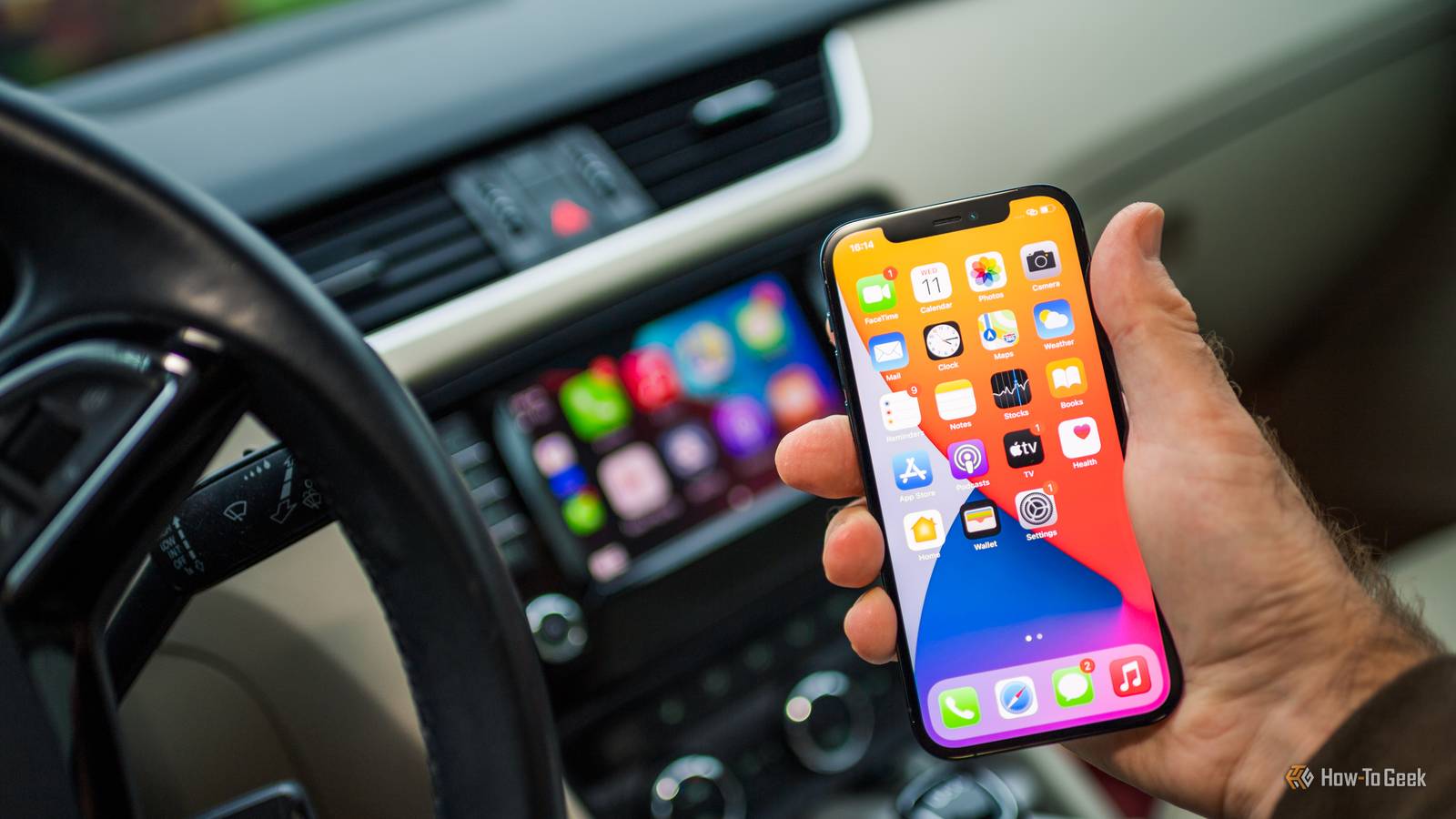
Published Jul 27, 2026, 1:30 PM EDT Rich Hein is a veteran technology journalist with more than two decades covering developer, consumer and enterprise topics. Rich's career has been dedicated to service journalism, connecting readers to content that informs and delights. Previously, Rich was vice president and editor-in-chief for Simpler Media Group, director of audience development for IDG and editor/writer for sites like CIO.com, ComputerWorld, CodeGuru and other tech-centric publications. He's received numerous accolades, including the IDG Summit and Azbee awards and has been covered by Medium for his work in audience development. When not at his desk, Rich lives in Daytona Beach with his wife and three dogs. He enjoys playing guitar, surfing and staying abreast of the latest in tech. Automakers have made infotainment a major selling point, and during a test drive, dealers are quick to point out the size of the screen, the built-in apps, the voice controls, and all the connected features packed into the dashboard. I understand why. Technology helps make a car feel newer and more advanced, especially when two models are otherwise difficult to separate. But when I'm deciding whether I could live with a vehicle for the next several years, I'm less interested in everything the screen can do on its own and more interested in how well it fits into the way I already use technology. My phone is already my infotainment system Everything I listen to is already there Most Americans own a smartphone, and for many of us, that device has become the center of our entertainment. That's certainly true for me. My music, podcasts, and audiobooks are already on my phone, along with my playlists, subscriptions, listening history, and recommendations. I don't need my car to recreate all of that with another set of apps and accounts. I just need it to give me an easy way to access what I already have. That's why phone integration matters more to me than the number of built-in apps on the dashboard. I want my phone to connect quickly, stay connected, sound good through the car stereo, and respond reliably to the steering-wheel controls and voice commands. Whether I'm using Apple CarPlay, Android Auto, Bluetooth, or a wired connection, the experience should feel seamless. Instead, it often feels like the phone is being treated as an accessory when, for many drivers, it's already the real infotainment system. Car tech ages faster than the cars it's built into Software updates can't always overcome old hardware A well-maintained car can stay on the road for 10, 15, or even 20 years, but the technology built into its dashboard may start feeling old long before the rest of the vehicle does. Tesla is a good example. The company helped make the touchscreen the center of the driving experience, but owners of some older Model S and Model X vehicles eventually needed a hardware upgrade to get a faster, more responsive screen and access newer features. Tesla currently charges between $1,500 and $2,000 for that upgrade, which shows how expensive it can be when a car's computer can no longer keep up. The same problem can affect almost any modern vehicle. Menus can slow down, built-in apps and connected services may stop working, screens can fade or fail, and replacement parts can be expensive. Most of us regularly install software updates on our phones, and many eventually replace the device entirely. Cars may also receive software updates, but those updates can't always overcome an aging processor, display, or cellular connection built into the dashboard. That's why buyers need to think beyond how impressive a screen looks during a test drive and ask how it will be supported years later. I previously put together a list of tech questions to ask before buying a new car to help readers understand software support, subscriptions, connectivity, and replacement costs before they commit. My 2003 Chevrolet Suburban came with a basic factory stereo, but because it wasn't tied into every function in the truck, I was able to replace it with one that connects to my phone. I now have reliable access to my music, podcasts, calls, and navigation in a vehicle built more than 20 years ago. That kind of upgrade may not be as simple in a newer car where the screen also controls climate settings, cameras, vehicle options, and other essential features. Dealers should demo phone integration before the purchase Buyers need to see how their own phone works in the car Credit: Sydney Louw Butler/How-To Geek Dealers often treat phone integration as an afterthought. That doesn't make much sense when so many drivers rely on their phones every day. During a test drive, the salesperson should help the buyer connect to their actual phone and show them how Apple CarPlay, Android Auto, Bluetooth, steering-wheel controls, voice commands, and charging all work in that specific vehicle. That didn't happen when my mother-in-law recently bought her Subaru, and I forgot to ask about it during the process. Several days later, she had to take the car back to the dealership, so someone could connect her phone to the vehicle and walk her through how everything worked. She basically had to demand the help, even though the dealer should have demonstrated it before she agreed to buy the vehicle. A buyer shouldn't find out after the purchase that their phone doesn't connect reliably or work the way they expected. Built-in apps aren't the answer for most drivers I don't want to rebuild my digital life inside my car Credit: Mercedes-Benz Built-in apps sound convenient, but in practice they often ask drivers to recreate an experience they already have on their phones. Take Spotify, for example. If the car has its own Spotify app, I may have to sign in again, learn a different interface, rely on the car's data connection, and hope the app continues receiving updates. Meanwhile, my phone already has everything I need ready to go. I'd rather connect the device I already use than maintain another version of the same service inside the dashboard. I'm not saying that every built-in app is pointless. Features tied directly to the vehicle, like EV route planning, battery preconditioning, cameras, climate controls, and vehicle diagnostics, make sense because the phone can't always replace them. But music, podcasts, audiobooks, messaging, and most navigation tools are already better established on the devices we carry every day. Automakers should focus only on the software the car needs and make it easier for everything else to come from the phone. The best car tech should get out of the way A car's technology shouldn't become a burden long before the vehicle itself wears out. Automakers and dealers should spend less time selling buyers on built-in apps and more time making sure their phones connect quickly, charge properly, and work with the controls they'll use every day. For most drivers, the best infotainment system isn't the one with the most apps. It's the one that makes the technology they already use feel like a natural part of the car.
Automakers are obsessed with bigger screens and more apps—I just want better phone integration
Full Article
Original Source
Read the full article at Howtogeek →KhanList aggregates and links to publicly available news content. We do not host full articles from third-party sources. Always verify important information with original sources.