
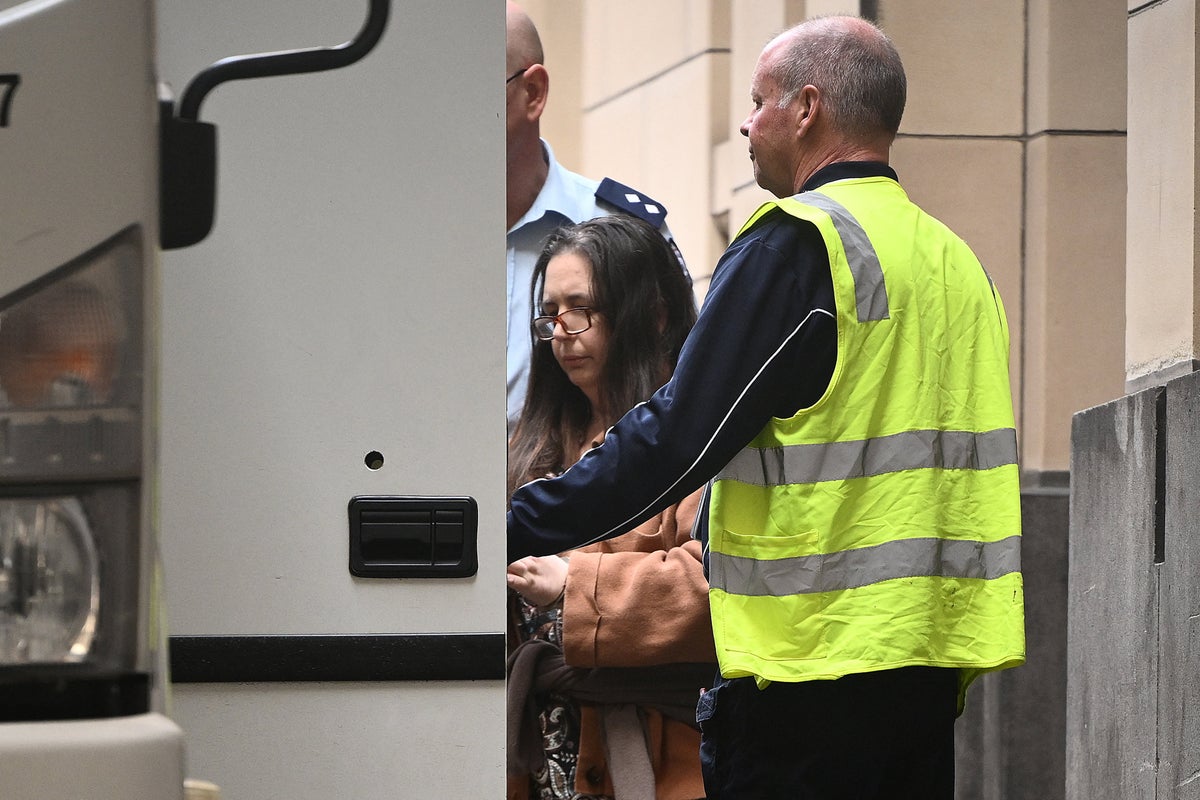
An Australian court has refused to disclose evidence in mushroom killer Erin Patterson's case fearing that it will receive "massive publicity".Victoria’s court of appeal last month dismissed Patterson's appeal and sentenced her to life in prison without the possibility of parole for murdering three relatives and attempting to murder another by feeding them a meal laced with death cap mushrooms in July 2023. The victims were her former parents-in-law Don and Gail Patterson and Gail’s sister Heather Wilkinson. Heather’s husband survived after being hospitalised.But the court declined to disclose a piece of evidence in case Patterson succeeded in a last-ditch appeal and was subsequently granted a retrial, ABC reported.In a partially redacted judgement, the court said Patterson could face "unfair prejudice" if potential jurors knew about the evidence. Legal experts say Petterson can apply for a second appeal should compelling evidence emerge that exonerates her. "While the evidence is nuanced and complex, it would be likely to attract very significant publicity with the potential to cause a real and substantial risk of prejudice to any future trial," it said.The court stressed that this was an "exception case" and that its decision should not set an example for other courts to automatically suppress "contentious" inadmissible evidence.Erin Patterson leaves the Supreme Court of Victoria in Melbourne on 8 September 2025 (Reuters)The evidence was due to be included during her trial in 2025, but justice Christopher Beale ruled it inadmissible."It would 'leave an indelible impression on the minds of potential jurors in the event of a retrial'," he said.Petterson was initially sentenced to life imprisonment, with the possibility of parole after 33 years. However, on 30 October, the court of appeal rejected her challenge to the conviction and sided with prosecutors that the sentence was too lenient because it left open the possibility of her eventual release.Justice Stephen McLeish set aside the 33-year non-parole period, ruling that the seriousness of her crimes meant she should never be eligible for release.He said her offences involved “shocking criminality” and deserved to be denounced in the strongest terms, adding that it was inappropriate for parole to be an option.Patterson appeared via video link from the maximum security wing of Dame Phyllis Frost women’s prison.
Australian court keeps evidence in mushroom killer case secret for fear of ‘massive publicity’
Full Article
Original Source
Read the full article at Independent →KhanList aggregates and links to publicly available news content. We do not host full articles from third-party sources. Always verify important information with original sources.