
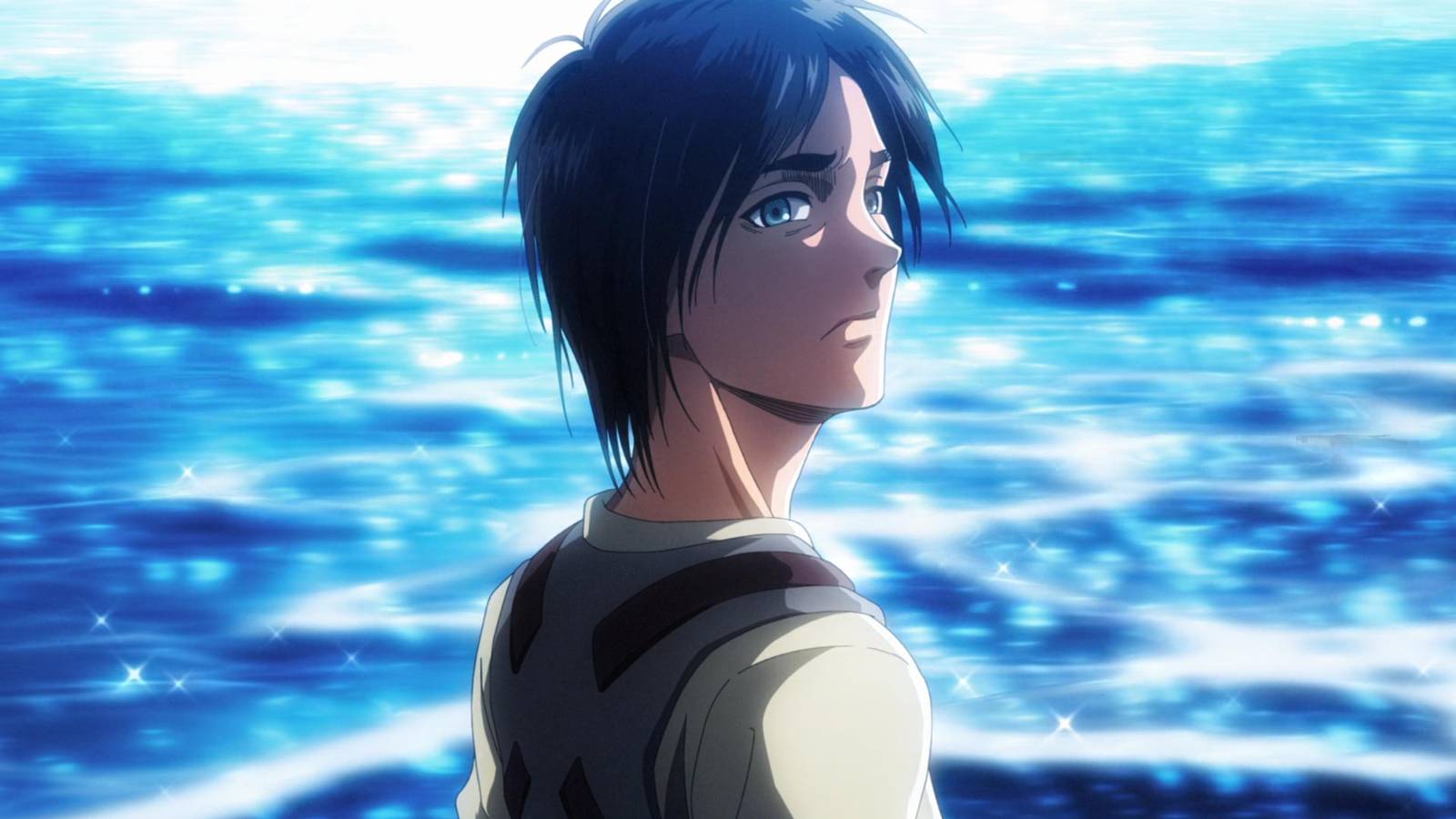
Published Oct 6, 2026, 11:00 PM EDT An experienced Editor representing Canada via ScreenRant's Team Anime, J.R. has been reading manga since the first printing of Shonen Jump in North America. This passion drove him to write about anime, manga, and manhwa since 2022, having recently served as Lead Anime Editor for ComicBook.com. His favorite moments in media coverage include reviewing the series premieres of Zom 100 and Bleach: TYBW Part 2 back-to-back and briefly meeting Junji Ito at a VIZ gallery event in 2023. The United States has faced another record period as sweeping book bans grow increasingly larger with the previous 2025-2026 school year. It broadly affects fiction of all varieties more than anything else, with 80% of all bans under that category, per PEN America's compiled findings. Of those banned books, 14% are specifically graphic fiction, with particular focus on manga. Previous titles targeted for bans like Assassination Classroom have featured yet again, but the latest to make the list is, in an over-specific case, Attack on Titan volume 34, the print paperback compiling its final mainline chapters. The decision for Attack on Titan to be banned, much like many others in a total of 7,370 books over that same period, does not appear to show any particular reason. But as PEN America notes, the criteria for making these decisions are decidedly flawed and leave little to no room for nuance with any sensitive material. The statistics point to political pressure campaigns and organized groups targeting districts while cherry-picking instances such as of violence, sexual material, and topics regarding "gender identity", suggesting there was very little actual critical review in decisions like for Hajima Isayama's iconic series. The worst part is, the methods being used for this only suggest they'll be supercharged for the years ahead. Attack On Titan's Final Volume Is Latest Specific Book Among Sweeping US Bans While one can reasonably find the final volume of Attack on Titan shocking, either for the wanton violence slaying 80% of the world's population in the Rumbling, or the frustratingly divisive events of its final chapters, it's hardly cause for such a focused ban campaign. Examples like Book Riot's discussion on context stripping, or the practice of examining individual panels, their contents, or dialogue, without context of the story or an understanding of its underlying themes or commentary, results in books like this being labeled for censorship. Awkward as Mikasa's final kiss scene may be, it at least has background behind why she chose to do it. 2025-2026's new first-time book bans include the following: Here We Are: Feminism for the Real World by Kelly Jensen Romeo and/or Juliet: A Chooseable Path Adventure by Ryan North Be More Chill by Ned Vizzini Tokyo Ghoul by Sui Ishida The Brightest Night by Jennifer L. Armentrout The Beet Fields: Memories of a Sixteenth Summer by Gary Paulsen Rabbit and Robot by Andrew Smith Lore by Alexandra Bracken Lessons in Chemistry by Bonnie Garmus Jane Eyre by Charlotte Brontë Attack on Titan, Volume 34 by Hajime Isayama It partially explains the absurd bans on Assassination Classroom, where its premise technically involves for a teacher calling on his students of Class 3-E and even equipping them to kill him within a year. The added context of his past, previous role, current powers, and the entire circumstances of the story would be sufficient cause for further review. B the power of state legislation on the matter, coupled with heavy-handed calls on local school districts, with Texas and Florida leading the charge in total book bans leave little time for human review. The worst part is, as investigation continues to confirm, humans are hardly consulted enough on these cases in a growing additional trend. AI Is Being Used To Proliferate Book Bans Between Districts As reported by Texas Standard, companies like Bookmarked make it their mission to flag "potentially problematic material", while tracking cases of banned books or works currently being challenged in other districts or states. There's been some nuance to these changes, such as helping confirm where school libraries can categorize certain stories so they're not picked up by younger audiences than intended. But it's also serving as a way to accelerate existing calls to ban books in far more widespread fashion, its flagging process merely scratching the surface and picking out instances of potentially sensitive subject matter without consideration for surrounding context. It's But it should be noted that this will only further impact literacy rates, particularly among teens and young adults, with YA bans in particular being the most severely impacted, constituting 58% of all bans in 2025-2026. Despite efforts to address these deficiencies, these sweeping changes are also all contrasted by rising focus on screen time. The unfortunate developments will either drive young readers to seek out said banned material for themselves in the best scenario, or bury additional perspectives that are all helpful for developing young minds at an increasingly likely worst case. The idea that this decision is made haphazardly or even amplified by non-human elements, is hardly a good sign for next year's book ban roundup. All of this merely scratches the surface on the concerning developments surrounding literature and graphic novels, so be sure to read PEN America's full report and its various sources for more details. Release Date 2013 - 2023-00-00
Attack on Titan Faces New Wave Of Backlash As Calls To Ban The Hit Series Grow
Full Article
Original Source
Read the full article at Screenrant →KhanList aggregates and links to publicly available news content. We do not host full articles from third-party sources. Always verify important information with original sources.