
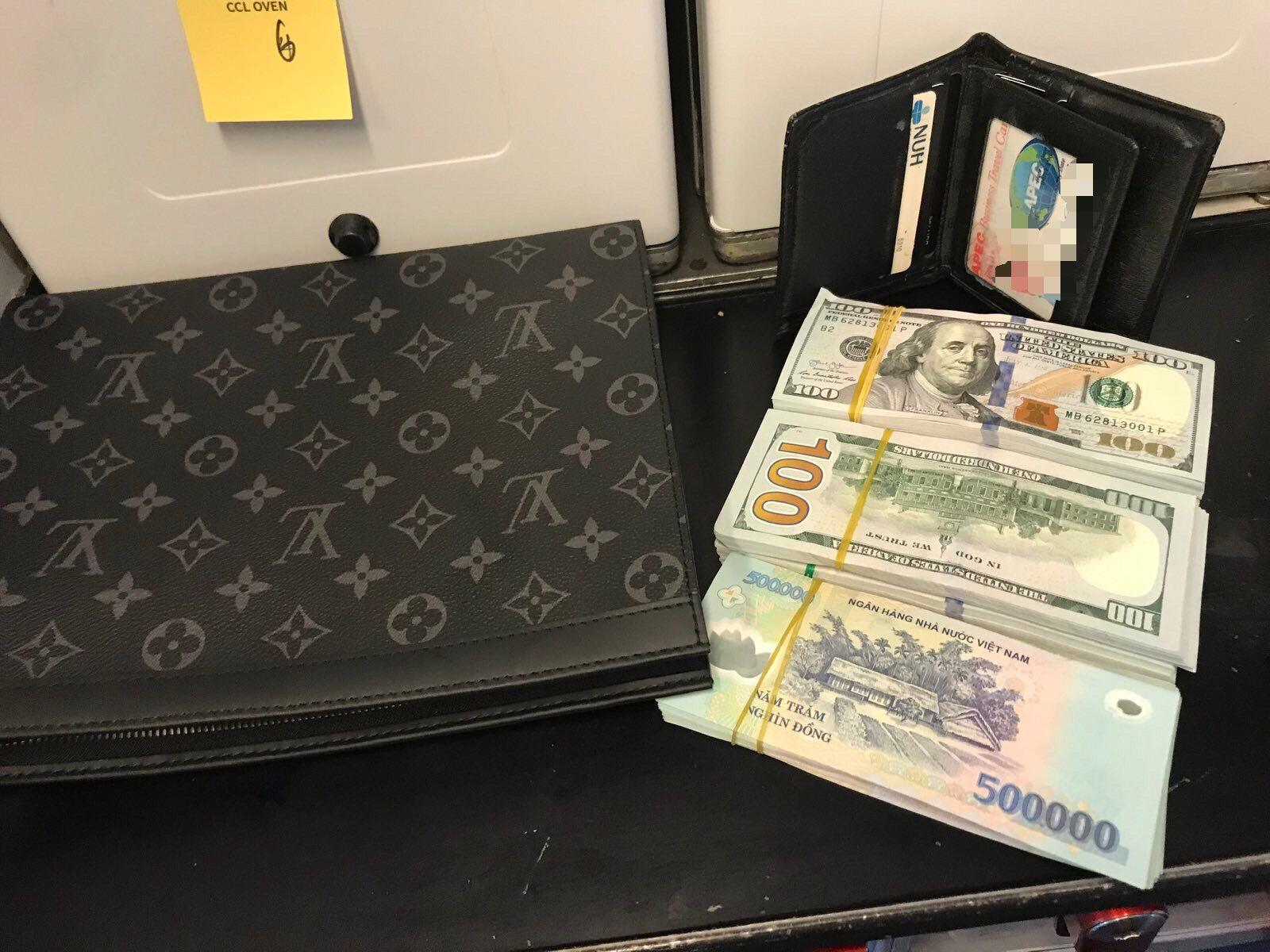
Comedians Eric André and Clayton English have reached a settlement with Clayton County, Georgia, to stop them from interdicting passengers on Atlanta airport jet bridges, taking their identification and boarding passes, questioning them about drugs and searching their bags. During an eight-month period, officers made 402 jetbridge stops found a total of 36 grams of drugs and six prescription pills but seized more than $1 million in cash and money orders only two people were charged, passengers went on their way but police kept the money The program was much more successful at finding money than drugs! The Government Says People Voluntarily Let Themselves Get Searched For Drugs While Boarding Clayton English was flying from Atlanta to Los Angeles for work on October 30, 2020. He had cleared TSA, presented his boarding pass to the gate agent and entered the jetbridge heading to his aircraft. According to the lawsuit, two plainclothes police officers flashed their badges, questioned him about drugs and instructed him to stand off to the side. The officers stood on either side of him, took his identification and boarding pass, continued questioning him and searched his carry-on. English said he acquiesced because he did not believe he had a choice. He was concerned that resisting—or saying something an officer considered “out of line” would keep him from boarding. Eric André had a similar encounter on April 21, 2021. He had finished filming HBO’s The Righteous Gemstones and was traveling from Charleston to Los Angeles via Atlanta. He was the only Black passenger in his boarding group. Officers stood in his path, flashd their badges and began asking whether he had cocaine, meth, or unprescribed medication and interrogated him about his travel plans. Clayton County said this was all “voluntary.” @Atlanta_Police “I was just racially profiled by two plain clothes Atlanta PD police in @Delta terminal T3 at the Atlanta airport. They stopped me on the way down the bridge to the plane for a “random” search and asked they could search me for drugs. I told them no. Be careful. — Eric Andre (@ericandre) April 21, 2021 He discussed the stop the next night on Jimmy Kimmel Live!: Footage from another Clayton County jet-bridge encounter later surfaced. Actor Jean Elie videoed officers searching his bags during a similar stop. Elie panned toward the other passengers and said, “See all those white folks? And I’m the random search.” Despite what the government says, this doesn’t appear consensual. The Lawsuit Was Dismissed, Then Revived André and English sued Clayton County, its police chief, individual officers and an investigator in October 2022. They alleged unreasonable seizures, an unreasonable search of English’s luggage, racial discrimination in violation of the Equal Protection Clause and a violation of federal civil rights law. They sought damages and a declaration that the jetbridge program was unconstitutional. In September 2023, Judge Cohen dismissed the entire case. He concluded that the encounters were voluntary rather than Fourth Amendment seizures, that English consented to the search of his luggage and that the complaint did not adequately allege intentional racial discrimination. The individual officers also received qualified immunity. André and English appealed. Their case attracted Tyler Perry, Jamie Foxx, Taraji P. Henson, Sterling K. Brown and Jean Elie, along with the NAACP Legal Defense Fund, Cato Institute, Institute for Justice, and ACLU of Georgia as supporters. A unanimous Eleventh Circuit panel reinstated the Fourth Amendment claims against Clayton County last year. The appeals court focused on: Officers waited until passengers had entered a narrow and confined jet bridge. The passengers had already presented their boarding passes and been cleared to board. Officers displayed badges and obstructed their paths. They took and retained identification and boarding passes while questioning them. Passengers had been conditioned by post-9/11 airport security to comply with authority. Refusing created an obvious fear of being detained or missing the flight. Under those alleged circumstances, the court said André and English plausibly claimed that a reasonable passenger would not feel free to end the encounter and continue boarding and that English’s supposed consent to search his luggage was coerced. An officer had his ticket and identification, had removed him from the flow of passengers and did not tell him he could refuse. However, the individual officers retained qualified immunity because the law was not sufficiently “clearly established” at the time that it was illegal to single out passengers based on race, obstruct their boarding, call it voluntary and keep their money. By the way, of 402 documented stops, officers recorded race for 378 passengers. Of those, 56%—were Black and 68% were people of color. Only ~ 8% of U.S. domestic airline passengers are Black. Why These Searches Are Bad Searches are supposed to require particularized suspicion (and traveling while Black doesn’t count). These searches are unrelated to airline safety (and all passengers involved have already been screened). They are supposedly looking for drugs, they only find cash, but they keep looking because they’re good at finding cash. Here’s John Oliver’s explanation of civil asset forfeiture: Topics on this page
Atlanta Airport Police Stopped Passengers For Drugs — Took Money Instead, Settled Lawsuit
Full Article
Original Source
Read the full article at Viewfromthewing →KhanList aggregates and links to publicly available news content. We do not host full articles from third-party sources. Always verify important information with original sources.