
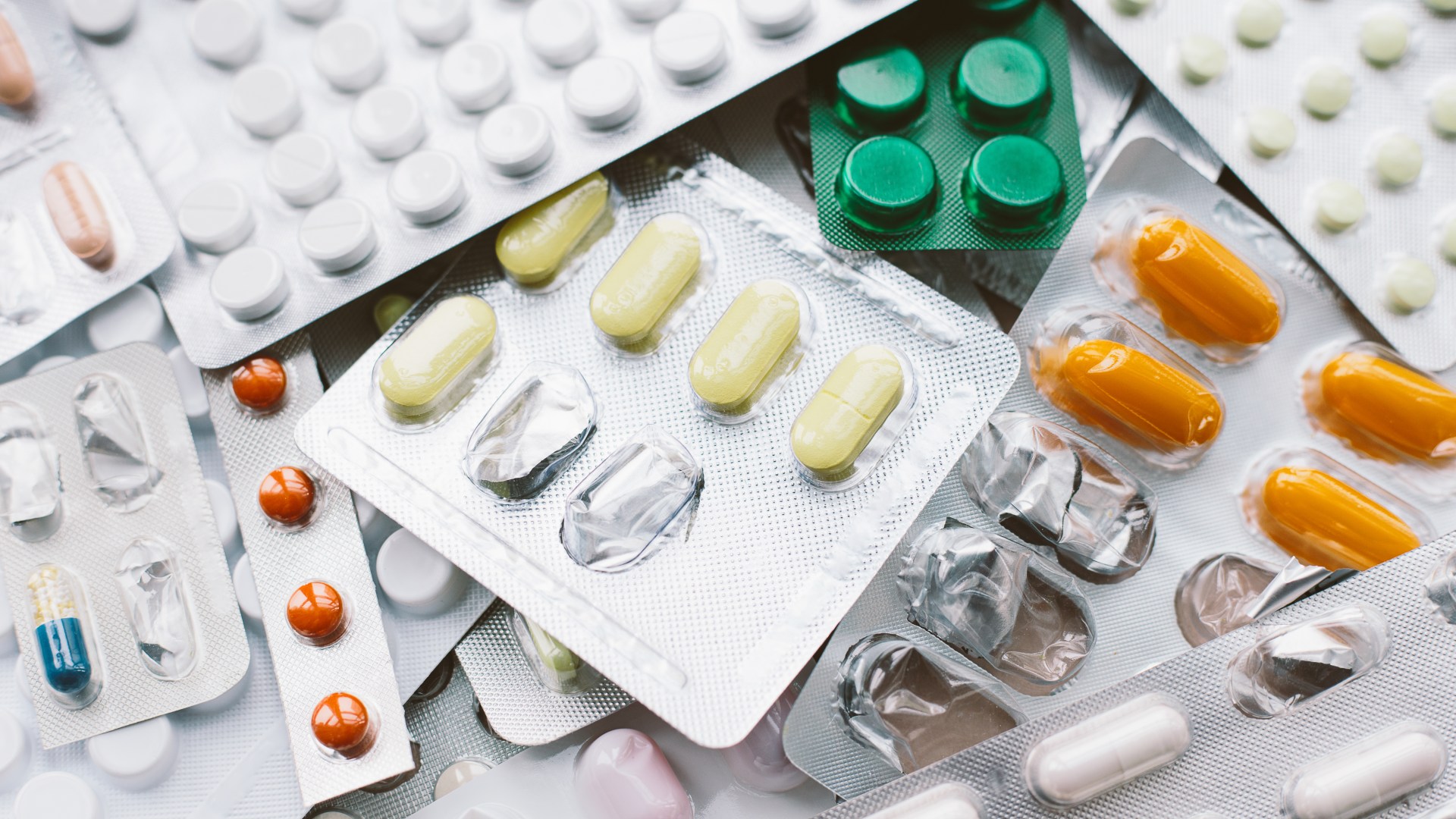
AT LEAST 1,000 elderly Britons are admitted to A&E every day suffering preventable reactions to the cocktail of drugs they’ve been prescribed, shock figures show. In a worrying sign of the medicalisation of the elderly, an analysis of NHS statistics found that the number of emergency admissions has risen by 40 per cent in eight years. Roughly eight million people in the UK are also at risk of side effects because they are being prescribed five or more drugs to take daily Credit: Getty About 2.2 million people in the UK take ten drugs a day, research suggests Credit: Getty It rose from 405,000 admissions of patients aged 65 and over in 2018 to 568,000 in 2025, the investigation by The Sunday Times, showed. Roughly eight million people in the UK are also at risk of side effects because they are being prescribed five or more drugs to take daily. Sign up for the Health newsletter Thank you! About 2.2 million take ten drugs a day, research suggests. Taking more than five medicines is defined as “polypharmacy”, when the risk of dangerous side-effects increases. It is particularly dangerous in more frail patients and in some cases, could even be fatal. Coroners have previously warned about the dangers of polypharmacy contributing to deaths. Prescribing vast numbers of pills also adds a huge financial burden to the NHS. Leading medical experts are now calling for doctors to receive better training in the art of de-prescribing or stopping drugs. Most read in Health They also want to see more specialist geriatricians — experts in the care of the elderly — and medication reviews for elderly patients. They have, however, cautioned that no one should stop their medication without speaking to a GP or specialist doctor first. Dr Daniel Harman, an NHS consultant geriatrician in Yorkshire, told the newspaper: “Medications that started for the right reasons, years later are causing more harm than good. “In hospital, we know we will see one in six people on a ward and it’s their medications that have put them in hospital. I reflect on this a lot, it’s deeply frustrating.” Jugdeep Dhesi, president of the British Geriatrics Society and a consultant geriatrician at Guy’s and St Thomas’ NHS Foundation Trust in London, also said: “We have got these statistics and evidence coming at us, and we’re all really worried about it, but the system just keeps on looking down and thinking if we just carry on doing the same thing, it’ll be OK. It won’t.” Experts say elderly people on various medications should have regular reviews of their drugs to ensure they are needed. Many of the common drugs given to elderly people can have cumulative side-effects and cause severe symptoms. Such symptoms include dementia-like symptoms like confusion, nausea, weight loss, an increased risk of falls, swelling and difficulty walking. Blood pressure pills like ramipril or amlodipine, for example, have been known to affect older people more, potentially leading to dangerous drops in blood pressure and falls. Water tablets, such as furosemide, to reduce swelling that is sometimes a side-effect of amlodipine, can make the risk of falls even worse. Studies have previously blamed over-prescribing on fragmented care between hospitals, homes and GPs which mean in some cases, that medications prescribed by unknowingly pile up. Others have blamed clinical guidelines, arguing that time constraints and shortages of appointments mean doctors cannot do long, complex evaluations that older people need. A new national plan for the care of the frail elderly is due to be published in January. An NHS spokesperson said: “We know we need to do more to meet the needs of our ageing population better and that’s why we have made it clear to NHS organisations what the best interventions are to provide effective community support for frail people through new guidance, such as ensuring their care plans involve regular medication reviews so that only medicines that are clinically appropriate are prescribed.” Comment now
At least 1000 Brits rushed to A&E every day over simple pill mistake – are you at risk?
Full Article
Original Source
Read the full article at Thesun →KhanList aggregates and links to publicly available news content. We do not host full articles from third-party sources. Always verify important information with original sources.