
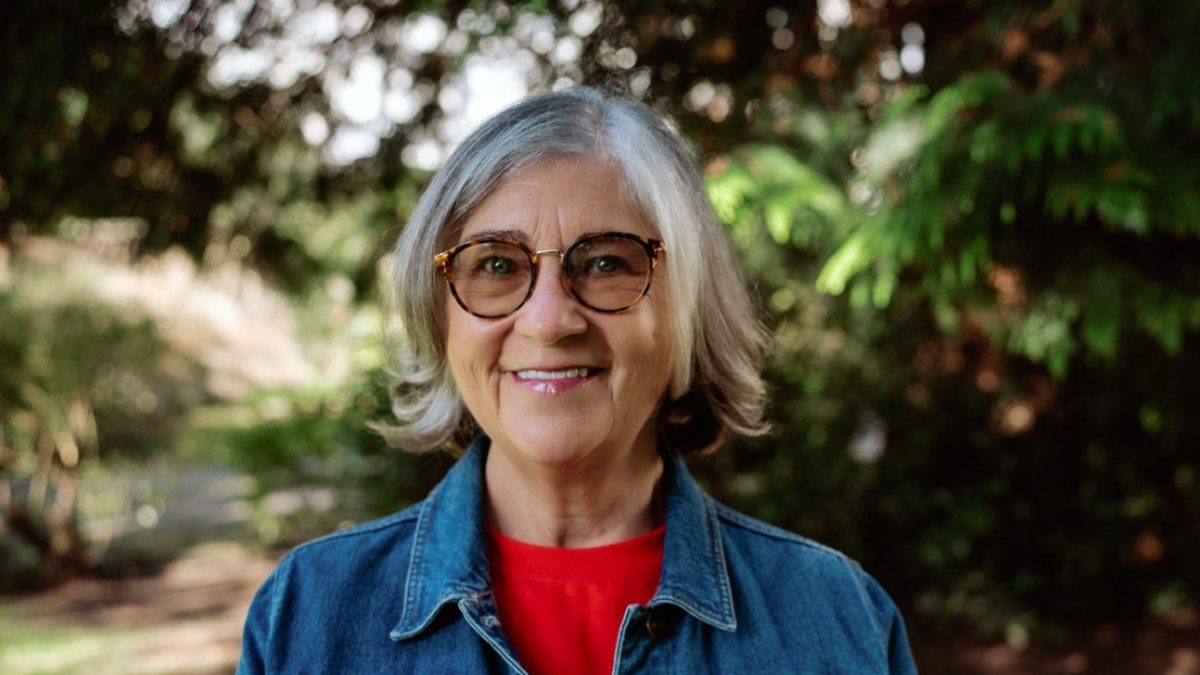
I’ve just turned 69, which apparently means I should start thinking seriously about moving to a bungalow. The argument sounds sensible enough. Downsize while I still have the energy. Release some money. Get rid of the stairs. Find somewhere with a manageable garden and smaller rooms, and make life easier for my older self before circumstances make the decision for me. Except I don’t want smaller rooms. I don’t want to leave where I live. And the more I think about what will actually help me remain independent as I get older, the less convinced I am that a bungalow would be the sensible choice for me at all. I live in a third-floor apartment in town. From my front door, I can walk to almost everything that makes up my everyday life within about 15 minutes: the gym, the cinema, shops, cafés, restaurants and the places where I meet people. That matters to me far more than having everything on one floor. I also love the flat itself. I have a balcony looking out over trees, and I use it constantly. I’ll sit outside with coffee in the morning or tea in the afternoon; sometimes at night I can hear the owls. Shorts Oddly, I probably make more use of this relatively small outdoor space than I did when I lived in the countryside. At that stage of my life I was working so much that I barely had time to enjoy where I lived. Now the balcony has become part of the rhythm of my day. When people talk about planning for old age, we tend to focus on the house itself. Are there stairs? Could a wheelchair get through the doors? Is the garden manageable? Those are important questions, but I think we need to look beyond the front door too. Suppose I moved to a bungalow on the edge of town. I might lose the stairs but become more dependent on my car. One bungalow I looked at was about half a mile from the nearest bus stop, adding a whole layer of effort to something that currently requires almost no thought. At the moment, there is very little organisation involved in going out. My ability to walk everywhere feels like a form of independence worth protecting. There is a psychological side to this too. Sometimes we stay at home not because we are physically incapable of going out, but because going out has become a faff. Once a trip involves the car, parking or timing everything around a bus, staying home can feel much easier. I notice that in myself. When I am tired, the more effort involved in getting somewhere, the easier it is to decide not to bother. I’m wary of making the house easier to live in while making the rest of my life harder to reach. So, instead of planning to move, I’ve started adapting the home I already have for the person I might be at 85. I recently had a new kitchen fitted, and while choosing it I deliberately tried to imagine myself using it 15 or 20 years from now. My oven is now at eye level rather than underneath the hob, so I don’t have to bend down and lift hot dishes from close to the floor. I chose deep drawers instead of traditional low cupboards. Anyone who has ever found themselves kneeling on the kitchen floor, removing six Pyrex dishes to reach the one lurking at the back, will understand why. Even the stopcock under my sink has been changed. Instead of having to crawl into the cupboard to turn off the water, I now have a simple switch. None of these changes are dramatic. I can still bend down perfectly well at 69. I’m trying to remove small, unnecessary difficulties before they become difficulties. I made a similar decision with my bathroom a few years ago. The bath went and I replaced it with a large walk-in shower. There is room for a shower seat one day if I need one, and I already have grab rails. They are useful when my 93-year-old mother visits, but perhaps one day they will be useful to me too. There are other small things I can do over time: keeping walkways clear, getting rid of rugs that could become trip hazards and making sure everyday things are easy to reach. And then there are the stairs. Yes, I live on the third floor. I currently walk up and down them regularly to take out rubbish or hang washing outside, mostly without even using the handrail. I know that may change. Perhaps at 80 I’ll use the handrail. Perhaps I’ll pause on the landing. Perhaps there will come a point when I use the lift more often. But I’m not convinced that avoiding stairs altogether at 69 is necessarily better preparation for old age than continuing to use my body while I comfortably can. I’m not pretending my apartment will suit me for ever. None of us can know exactly what we will need at 85 or 90. But neither do I want to organise my life now around every possible future frailty. Keeping my second bedroom is part of that thinking too. A spare bedroom creates options. My son can stay, friends can visit and, much later, there could potentially be space for a live-in carer or a student who lived with me in return for practical help. Space can be useful rather than wasteful. I don’t particularly want to spend money moving somewhere smaller only to discover that I’ve given up useful space I already value. My sister is making a different decision from me. She is moving closer to her children and grandchildren. For her, proximity to family is an important part of preparing for the next stage of her life. That makes sense too. I don’t think there is one correct way to prepare for getting older. The mistake is assuming that downsizing, and particularly moving to a bungalow, is automatically the responsible thing to do. For some people it will be exactly right. For me, though, independence is being able to walk out of my front door and participate in the world. I want to be able to walk to the gym, buy something from the shops, meet a friend for coffee or decide at the last minute to go to the cinema. I want enough space for people to stay. I hope I’m still doing all those things at 80. I’d quite like to be doing them at 90. So, I’m not moving to a bungalow. I’m staying where my life already is, and making my home fit the older woman I’m gradually becoming. Dr Denise Taylor is a chartered psychologist and author who writes about later life and exploring meaning beyond full-time work. Her latest book, ‘ThriveSpan: Walking Gently Into What Matters Now’ is out now
At 69, I refuse to downsize – I’m adapting my home to live here till I die
Full Article
Original Source
Read the full article at Inews →KhanList aggregates and links to publicly available news content. We do not host full articles from third-party sources. Always verify important information with original sources.