
The 24 July imposition of US tariffs on 60 nations — including members of the European Union — foreshadows a new wave of protectionist action. Brussels may have no option but to respond to this threat to its sovereignty. And transatlantic trade wars will have entered a dangerous new era. In announcing the American tariffs, the US trade representative’s office asserted that: “The United States is the only country in the world to adopt, and effectively enforce, a ban on imports made with forced labour.” Since the EU has laws against the importation of goods made with forced labour, enforcement, it seems, is in the eyes of the beholder: the Trump administration. A European Commission spokesperson tried to put a positive spin on the US action: “The EU notes…that this outcome is in line with the US tariff commitments agreed under the EU-US joint statement.” But you can’t make a silk purse out of a sow’s ear. The Trump administration argues that US exports to Europe and to the rest of the world are harmed by the EU’s failure to police imports based on forced labour. The US trade representative’s office, for example, cites Poland’s declining importation of US tobacco while Warsaw has increased tobacco imports from Malawi, tobacco allegedly produced by forced labour. The US has indeed lost tobacco market share in Poland. But in 2025 such American exports accounted for a small share of total American exports to Poland and an infinitesimal share of total US exports. Trump’s forced labour cases against the EU are a solution in search of a problem. Moreover, the hypocrisy of the Trump administration’s action is breathtaking. There are two International Labor Organization agreements banning forced labour. 61 countries have ratified these accords. The United States is not one of them, perhaps in part because American states often subcontract the use of prison labour to private companies. So, what may be the Trump administration’s real game plan? The forced labour cases are the stalking horse for a broader strategy: extraterritorial application of US law. If Washington deems another nation’s laws or its enforcement insufficient, or simply violative of American interests, on any issue, the Trump administration appears to be claiming the right to impose tariffs to coerce change that is beneficial to the United States. If these duties pass muster in American courts (and some experts think they may not), longstanding US grievances against EU laws and regulations may be the next target. Disputes over digital regulation Washington has long argued that the EU’s Digital Markets Act unfairly targets American technology companies. Two dozen US members of congress recently urged president Trump to launch a 301 investigation of the DMA comparable to the administration’s forced labour actions. And in a Truth Social post in the wake of the EU’s €890m fine of Google for allegedly violating the DMA, Trump threatened: “we will immediately initiate a 301 Investigation into the practice of “ROBBING” American Companies and, in turn, the American Taxpayer…we anticipate, a substantial TARIFF to be placed on them at the earliest possible moment.” The EU’s carbon border adjustment mechanism and member nations’ digital services taxes could soon be other targets. Moreover, the Helms-Burton dispute between Washington and Brussels in the late 1990s is about to return. That contretemps began when Congress extended the territorial application of the US embargo on trade and investment with Cuba to apply to foreign firms trading with the Castro regime and threatened to penalise any companies allegedly "trafficking" in property formerly owned by US citizens. After three US presidents blocked such suits, in 2019 Trump allowed these cases to go forward. And in May of this year the US Supreme Court ruled that Cuba-related claims against foreign companies, many of them European, can proceed. But sauce for the goose is sauce for the gander. The EU-US Data Privacy Framework enables American firms to move highly valuable personal consumer data from the EU to the US without violating EU law. In return, Washington promised “independent supervision” of European data. The European Commission initially defended the agreement, arguing that the US Federal Trade Commission, which would oversee the deal, was an independent authority. But the recent US Supreme Court decision that the president may remove FTC Commissioners calls that assumption into question. The framework is now being challenged in court by European data privacy advocates. If they prevail, American companies that derive immense economic benefit from European consumer data may find they pay a high price. Similarly, the EU could choose to strictly enforce rules that mandate that the world’s largest corporations, many of them American, identify, prevent, and mitigate environmental harms across their global operations and supply chains. This could get very ugly. Disparity in laws, rules and regulations have long been a transatlantic irritant, largely immutable to negotiation. But the weaponisation of the extraterritorial application of domestic law in the raw pursuit of domestic economic interest is an ominous threat to global commerce.
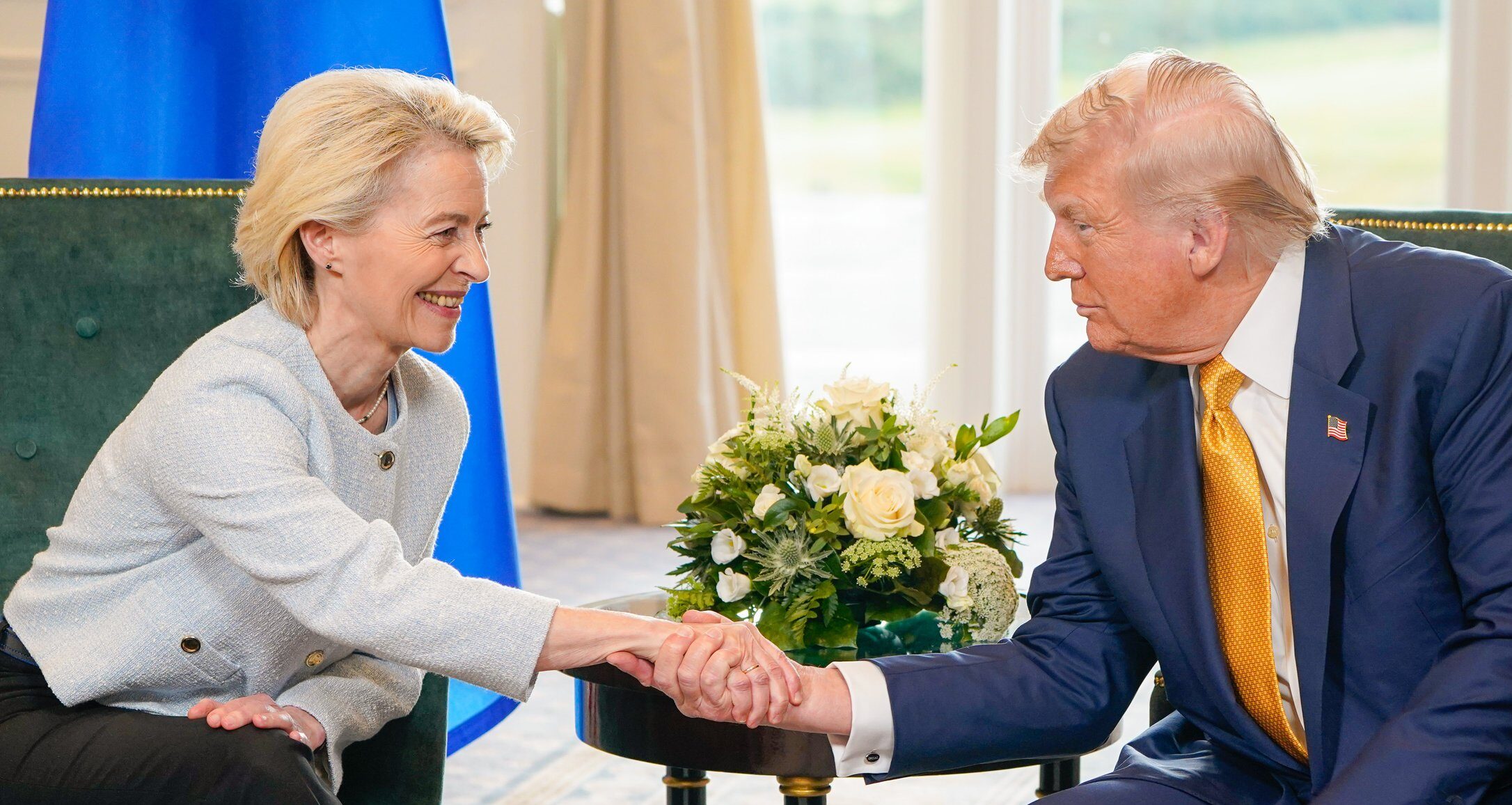
As Trump weaponises US law abroad, Brussels faces sovereignty test
Full Article
Original Source
Read the full article at Euobserver →KhanList aggregates and links to publicly available news content. We do not host full articles from third-party sources. Always verify important information with original sources.