
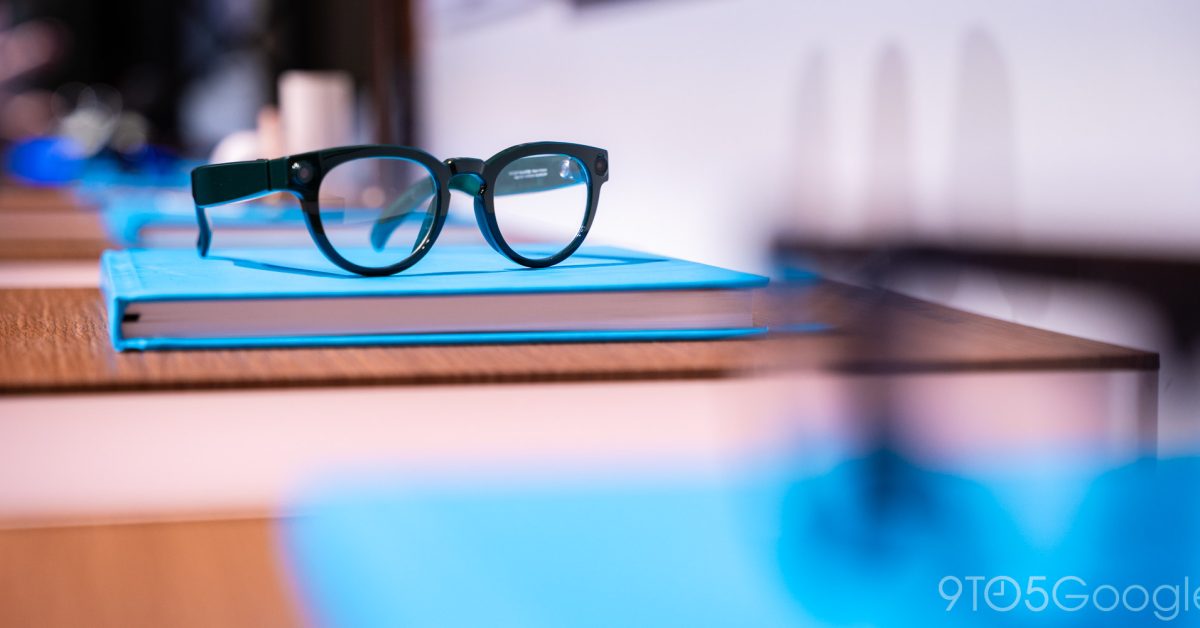
There’s been a near-constant stream of backlash against Meta’s Ray-Ban smart glasses in recent months, but that hasn’t stopped people from buying them, as a new report reveals that shipments have grown by over 250%. Counterpoint Research reports that, in the first half of 2026, shipments of AI smart glasses have risen by 263% year-over-year. Meta holds 94% of the market with its Ray-Ban and self-branded glasses models, with Xiaomi and Alibaba each holding 1% in second and third place, respectively. Display-less glasses make up 96% of all shipments, with brands such as Rokid, Meta, Even Realities, and others splitting the remaining 4% of shipments for glasses that have a built-in display, but that segment is up nearly 450% year-over-year. Notably, no figures have been shared on just how many glasses units are being shipped/sold. North America is the biggest market for display-less smart glasses, taking up 50% of the global market share, while China is a slightly bigger market for glasses with a display. Meanwhile, competition is brewing as Samsung & Google prepare to launch the first Android XR-powered smart glasses. The initial release will be display-less, focusing on integrations with Android and Gemini for interactions through your smartphone, Wear OS watch, and audio to accomplish tasks and interact with the glasses. More on Smart Glasses: The camera is my favorite part of smart glasses, but it just feels wrong now Samsung’s first Android XR glasses with a color display may launch in late 2027 Samsung teases Android XR glasses with phone & watch integration, ‘reasonable’ price Follow Ben: Twitter/X, Threads, Bluesky, and Instagram FTC: We use income earning auto affiliate links. More.
As Android XR nears, smart glasses are only getting more popular despite Meta backlash
Full Article
Original Source
Read the full article at 9to5google →KhanList aggregates and links to publicly available news content. We do not host full articles from third-party sources. Always verify important information with original sources.