
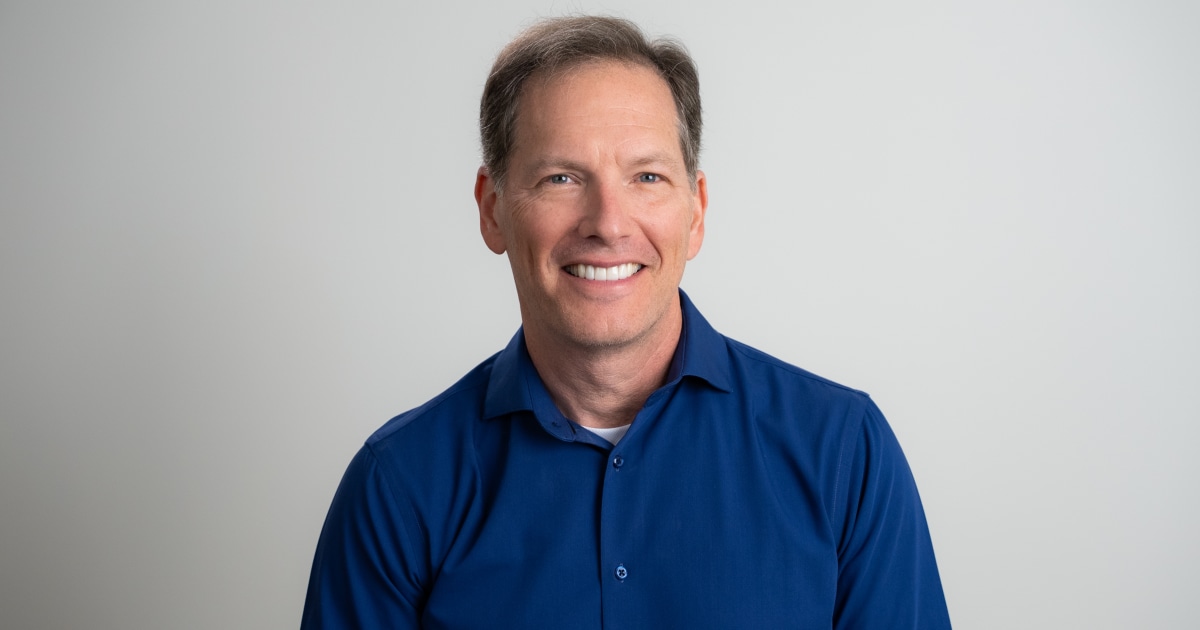
When my at-home sleep test showed my breathing was being interrupted 26 times an hour, I thought something was wrong with the equipment.After more than 27 years helping people understand their sleep problems, I asked for another test. Same result.The Sleep Doctor, as I’ve come to be known, had moderate obstructive sleep apnea. I was having a difficult time believing it.I knew the symptoms, risk factors, and how easily people could explain away exhaustion. Now it was my turn.At 57, I noticed I had less energy and weaker workouts. Exercise has always been a big part of my life, so I called my doctor. Blood work didn’t explain my sluggishness, so we looked at testosterone.My testosterone wasn’t low, but we tried treatment anyway: six months of an oral form, followed by three months of injections.My energy didn’t improve, but I did lose more hair (which was not exactly the transformation I had in mind). Then my doctor asked: When was the last time I’d had a sleep study?The author.Courtesy The Sleep DoctorEarly in my career, I would regularly test new sleep lab equipment on myself. Absent that routine, I hadn’t repeated testing, and it had been three years since my last test.I arranged an at-home test through SleepDoctor.com, the sleep care company I founded. I wore the device on my wrist for one night in my own bed and assumed I’d cross apnea off the list.I got my answer. It just wasn’t the one I was expecting.I wasn’t overweight. I took care of myself. I didn’t wake up gasping. My wife occasionally mentioned heavy breathing or snoring, especially after alcohol, but I wasn’t the dramatic snorer I associated with apnea.I’d never tell a patient that those things ruled out sleep apnea. Yet somehow, I’d told myself exactly that.The second test showed almost identical results that made it clear: I did in fact have sleep apnea.Obstructive sleep apnea happens when the airway repeatedly narrows or closes during sleep. Your brain briefly awakens you enough to restore your breathing. This disrupts your sleep, often without your remembering it. You get what looks like a full night’s sleep on paper, but these repeated interruptions rob you of the restorative rest you need.Weight can be a contributor, as can age and anatomy. But sometimes the only clue is fatigue. I’d spent months looking everywhere but my sleep for an explanation.I’m far from alone. A new survey of 2,505 people (including people living with sleep apnea, their bed partners and clinicians) found that 1 in 3 U.S. adults living with sleep apnea snored for five or more years before being diagnosed, and only 1 in 5 of them suspected it was “more than snoring.”Looking back, it made me think about a patient I’ll call Ed. He worked for the Georgia Bureau of Investigation, was falling asleep at his desk, and could no longer go on stakeouts. He’d gained weight, felt depressed, and was struggling in his marriage.Testing showed apnea, and we started treatment.At his one-month follow-up, his wife hugged me and said, “Thank you for giving me my husband back.” She handed me the divorce papers she no longer wanted.Patients often tell me, “Dr. Breus, you changed my life.” I think, “You changed your life. I helped you change your sleep.”Getting better sleep means spending less energy just getting through the day and more on the people and things that matter most.Now it was my turn. I started with treatment.A CPAP machine, which uses a mask to deliver a steady stream of air to keep the airway open during sleep, can be a first step. I’d spent years explaining how it works and had even worn one to understand my patients’ experience. But there’s a difference between knowing how a treatment works and living with it.Fortunately, my household offered an unusual incentive.Our two French bulldogs sleep in our bed. One settles between our pillows, head toward my wife, rear end toward me. My wife gets gentle snoring, like a purring kitten. I get the other end of the bulldog. If you know French bulldogs, you understand the appeal of a treatment that offered clean, humidified, filtered air.After nine months, I now use CPAP at home and an oral appliance when I’m traveling, a custom device that moves the lower jaw forward to help keep the airway open. Having both options has made things much easier.My energy has improved. My heart rate variability, which measures variation in time between heartbeats and increases as your body becomes more adaptable, has risen from roughly 17–20 to 35–40, without adding any exercise. For me, that was huge.It’s not proof that it was caused by treatment alone, nor is it a promise of results for anyone else, but alongside better energy, it gave me something concrete to notice. Your treatment depends on your diagnosis and needs, so it’s important to discuss options with your care team.I understood this professionally. Now I appreciate it personally: Treatment must fit the person’s life.I now have a better understanding of the patient who fears a sleep test. A diagnosis can bring both relief and uncertainty — you finally have an explanation, but you also have to figure out what comes next.Accepting a diagnosis doesn’t mean immediately loving treatment. I’ve recommended these treatments for years and still had challenges adjusting. That doesn’t make me a failure as a patient; I just needed a workable routine to help me stay consistent.And that adjustment can be a real hurdle. The same survey found that 52% of diagnosed, untreated adults living with obstructive sleep apnea stopped being consistent with treatment in the first six months, and 56% of diagnosed, untreated adults said dealing with treatment can feel as hard as dealing with sleep apnea itself.If your energy changes, you consistently wake up tired, or someone notices snoring or pauses in breathing, talk to your doctor. Ask whether you should be evaluated for apnea and whether an at-home test is appropriate.Healthy habits, like a consistent wake-up time, morning light, regular movement, and being thoughtful about caffeine and alcohol, hadn’t made me immune to an airway problem. I still recommend them wholeheartedly, but they couldn’t fix what was happening while I slept.My sleep habits weren’t the problem. My breathing was.Now CPAP has a place in my nightly routine, alongside my wife and two bulldogs. I’m waking up with the energy I’d been missing, and a new appreciation for what it means to be on the other side of the diagnosis.I’ve spent decades saying, “Change your sleep, change your life.” Turns out, that applies to the Sleep Doctor, too.
As a Top Sleep Doctor, I Didn’t Think I Could Get Sleep Apnea. What My Own Diagnosis Taught Me
Full Article
Original Source
Read the full article at Today →KhanList aggregates and links to publicly available news content. We do not host full articles from third-party sources. Always verify important information with original sources.