
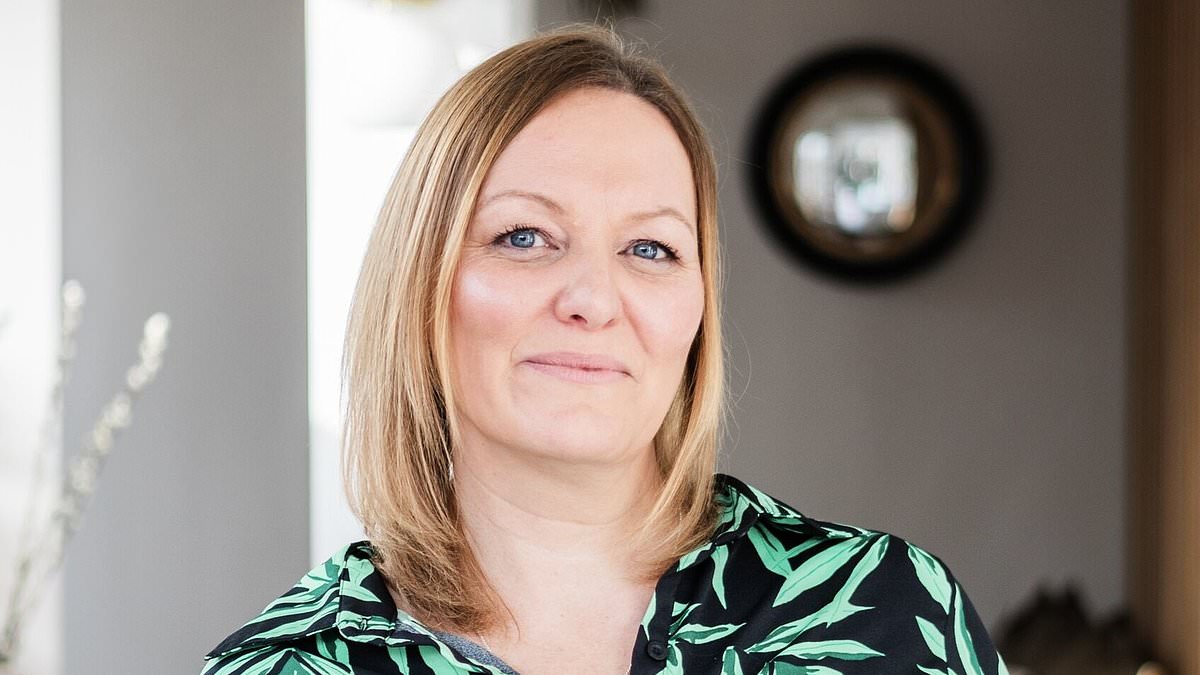
While many of us can become consumed with calorie counting, skincare regimes and daily steps, most of us don't think about our brain health until something goes wrong. We book in for treatments, therapies and workshops to improve ourselves and boost wellbeing, but the organ running the whole show barely gets a check-up.But experts say that brain health should be prioritised a long time before signs of decline emerge.Natalie Mackenzie is a cognitive strategist who works with people to train their brains for peak performance. She says we should all be testing our brain health regularly and be aware of signs that show cognitive decline so we can address them rather than allowing them to get worse. Natalie Mackenzie, a cognitive strategist, says brain health should be prioritised before signs of decline emerge.Mackenzie says there are five quick and simple tests that anyone can do at home to test their brain age, and keep it sharp. Each is adapted from tools used in science-backed cognitive research and clinical memory assessments. 1. Number checks Mackenzie says, ‘Ideally, you should be able to hold seven digits in your mind, so if you can remember a full phone number, you’re doing great. The “digit span" test measures your working memory - the mental notepad that holds information just long enough to use it. Try remembering number sequences, like phone numbers, to help keep your brain healthy.‘First, ask someone to read you a string of digits, and repeat them back in reverse order (so 9-3-7 becomes 7-3-9). The sequences get one digit longer each round. Once you fail two sequences of the same length, the game is over. Research suggests that most healthy adults in their 20s and 30s manage around 4-6 digits backwards, with performance gradually declining to 3-5 in the 50s and beyond, so use this as a benchmark.‘In the age of AI and your notes app, this one is easily practiced by ditching the phone and mentally planning your day instead. Give yourself a chance to memorise the sequence of tasks in your head, adjusting it as things change, and resist the urge to get ChatGPT to do it for you.‘If you don’t use it, you lose it!’2. Word recall check Based on the CERAD Word List Memory Test, originally developed in the 1990s, Mackenzie says this test is still used in dementia screening today.‘Have someone read you a list of 10 unrelated words or find a word recall check online. Try to recall as many as possible immediately afterwards. Then take a 10-minute break doing something unrelated.‘Now try to recall those original ten words again to test how strong your delayed recall is.’As a barometer of brain health and age, most healthy younger adults recall between seven and eight words, with scores declining gradually as you age. ‘Don’t panic too much if you find this tricky, as sometimes the stress of trying to remember in a test environment impacts your results,’ she says. Next time you go to the supermarket, keep your shopping list in your head, not on your phone.‘This one is easy to work on, simply by ditching your phone. Next time you need to nip to the shops, train your brain to do it without your phone’s app and remember everything on the list. You might need to read it out loud and write it down to cement it. So if you can visit the supermarket without a list and come home with nearly everything you intended to buy, your memory is working well.’3. Story recall This test checks how well a person can absorb and retain spoken information, a skill that’s increasingly linked to long-term brain health.‘Ask a friend to read out a short passage containing at least 25 distinct facts you can remember. First, summarise it immediately in your own words, then do it again half an hour later. This is to test for delayed recall. Story recall is increasingly linked to long-term brain health, according to this brain expert.‘The normal range for this test varies depending on the passage used, but research consistently tells us that immediate recall declines gradually with age, and a significant drop between immediate recall and the delayed recall is more meaningful.Mackenzie suggests that to practice story recall, a person listen to podcasts and audiobooks, then retell the story after.4. Visual memory‘It couldn’t be simpler: look at some objects, then take them away,’ says our brain expert. Practising your visual memory is a great way to ensure your brain stays healthy.‘Use an online visual memory checker or ask someone to grab around ten objects from around the house. After 30 seconds, leave the room and write down as many as you can remember. Take a break and then try again after half an hour. If you’re in your 50s, you’re likely to remember eight or nine of the objects, but this will drop down to five or six if you are in your 80s.’5. Autobiographical recallHow well can you retrieve specific personal memories? Mackenzie says, ‘Use these cues: HAPPY, TABLE, OFFICE, SAD, BEACH, GARDEN, SCHOOL, ANGRY, and see if you can talk for 30-60 seconds about a specific memory you have of them.’She says, ‘While this exercise does not precisely pinpoint a brain age, it is a good one to do every six months, because difficulty retrieving specific recent episodic memories, particularly if they were in the last few years, can sometimes be an earlier sign of decline worth discussing with your GP.’Mackenzie stresses that while none of the tests are diagnostic, and there's no single ‘pass score’, they can be used to assess how well a brain is functioning, flag up any memory issues, and help to keep brain health strong.She says, ‘Memory naturally varies with age, sleep, stress, and even the room you're sitting in, but used consistently, every few months, these simple exercises can help you notice genuine changes early. Long before they may show up anywhere else.’
Are YOU suffering from brain age? Top cognitive expert reveals the 5 simple home tests that predict your mental sharpness
Full Article
Original Source
Read the full article at Dailymail →KhanList aggregates and links to publicly available news content. We do not host full articles from third-party sources. Always verify important information with original sources.