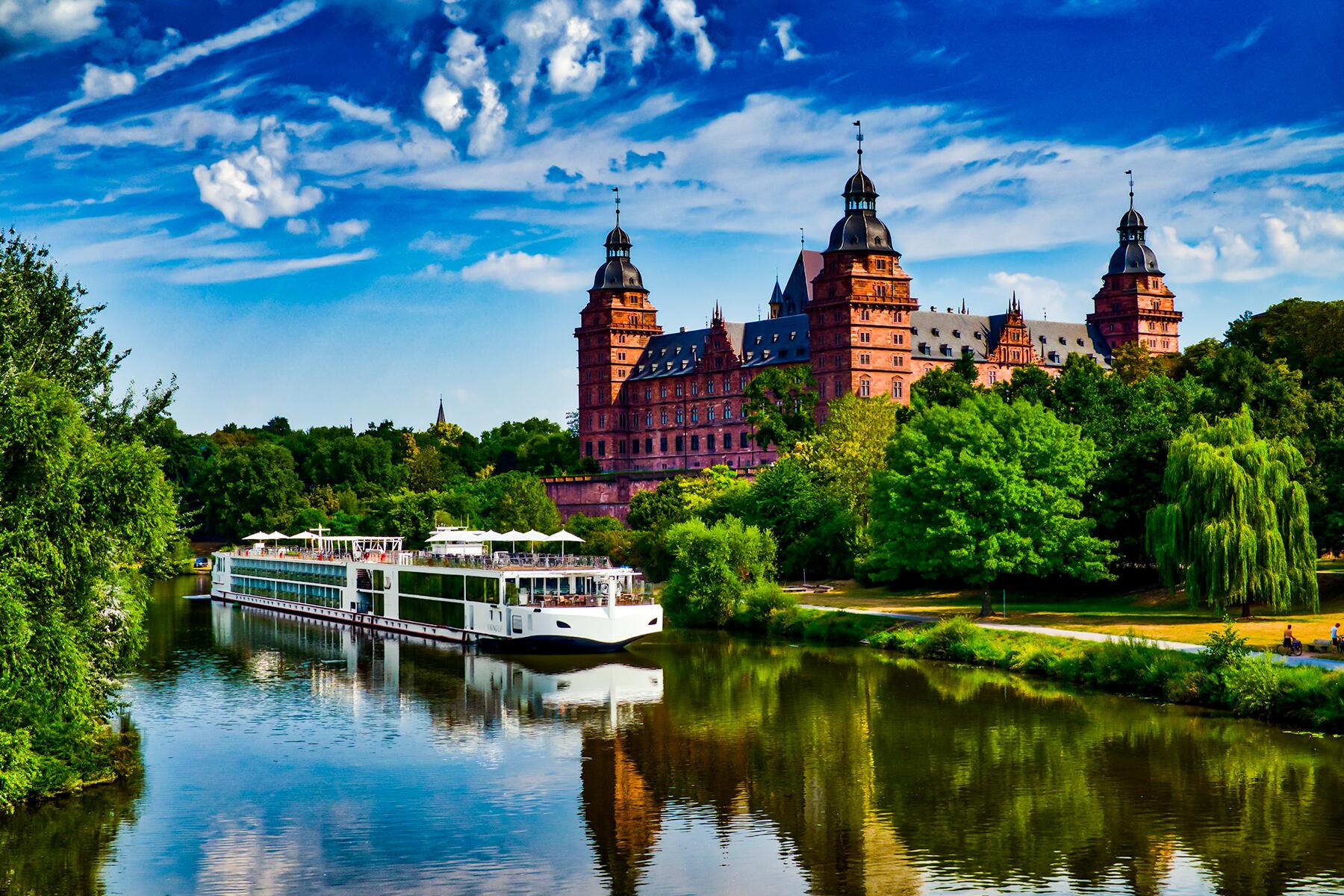
Low water levels are disrupting European river cruises. Here’s what travelers need to know about itinerary changes, travel insurance and when to book.I was halfway into my cruise on the Rhine and Moselle Rivers on Riviera Travel’s new Riviera Resplendence, and I couldn’t stop pouring myself chococcinos (sort of a mocha with added milk) from the ship’s coffee machine.Part of my quest for caffeination was the jetlag. (I really wanted to be alert to see the statue of Karl Marx donated to the Rhineland city of Trier by the People’s Republic of China, which they put up just steps away from where his childhood home is now occupied by a discount supermarket called Euro Shop.) Part of it was wanting to watch the gorgeous scenery slide by without napping. But a big part of it was wanting to hear if there would be any itinerary changes because of the low level of the Rhine. Riviera Travel had just told Travel Weekly they hadn’t cancelled any of their river cruises, and didn’t plan to, saying some of their guests had begun referring to the itineraries as “Magical Mystery Cruises.” Their primary demographic is U.K. travelers, so the Beatles reference is particularly apt.There was plenty of discussion on our cruise whether we’d be subject to the same fate, as river levels on the Rhine in July were quite low. Large, rocky bars had appeared in the middle of the river, and there were long, rocky beaches on either side of the river that were normally underwater. On the Moselle, however, we had the opposite problem: river levels were too high, meaning that the sun deck on our ship would be closed for much of our time on that river, because the clearance under some of the bridges would have been too low. Continue Reading Article After Our Video Recommended Fodor’s Video While we slept in comfortably appointed rooms (the bathroom had one of the more spacious showers I’ve encountered on a river ship) and worked our way through multi-course gastronomic tasting menus focused on the cuisine of Europe’s river regions, there was plenty of discussion over whether climate change meant that this would be the new reality for river cruising moving forward. It’s worth noting that varying water levels are simply part of the nature of river shipping, and always have been. Rivers aren’t statics—their water levels are dependent on a number of environmental factors, like the amount of precipitation and how much has been siphoned off for human uses like agriculture or industrial uses, like cooling power plants. Water levels also dropped on the Rhine and Danube in 2018 and 2022, while in 2013 high water levels stalled shipping because of low bridge clearances. This year, however, the Rhine in particular has reached record lows. Near the choke point of Kaub, Germany (where I noticed the giant bars in the middle of the river on our cruise), the river level kept deteriorating to reach a record low by early August, halting river cruise traffic and reducing payload on cargo ships to just 20% of normal. The problem is large enough that it risks curbing German economic growth, which had recently shown signs of improvement. For river cruisers, the impact is more aesthetic than anything—they’ll still reach their next port, it just may be on a bus instead of on their ship. But, depending on the river and the itinerary, the loss of the scenic cruising itself can have a big impact. On our cruise, the ship floated past ancient castles while we sat on the sun deck and received narration from our guide, and seeing the Rhine’s famed Lorelei from the water was a scenic highlight of our cruise. It probably wouldn’t have had the same impact as if we’d had to see it from a bus. The good news is river levels are dynamic—they change frequently, and there’s data that suggests that river levels in Europe aren’t settling to a new low. Seasonal fluctuations will probably slowly become more pronounced, and there will be real concerns about commerce and the availability of drinking water for riverside communities during low ebbs, but the rivers aren’t going completely dry. Dry spells, however, will likely be more frequent, and last for longer, particularly with the continent being plagued more often by extreme heat events, which hasten the drying of the river. What to Do if Your River Cruise Is AffectedIf the cruise line cancels your river cruise, you can typically get rebooked for alternate dates, a refund, or a credit for a future cruise. If you receive notice the cruise line has cancelled ports or significantly altered your itinerary, you probably won’t be able to cancel and receive a refund. Cruise line contracts typically have broad language allowing them to cancel or substitute port calls because of river conditions. In these cases, it can help to have a third-party travel insurance policy. Some providers, like Allianz’s specialized coverages offered through AAA, will pay passengers if port calls are cancelled, as long as they provide a letter from the cruise line explaining why the port call was dropped. River cruises also typically don’t cover the cost to rebook flights affected by a date change or cancellation (although some offer more flexibility if you have bought your air ticket directly from them) so it’s worth having travel insurance to cover those costs. You’ll also be subject to cancellation penalties if you choose to cancel before the cruise line has made any announcements about cancellations or itinerary changes, so wait to hear from them before taking any action. If you have concerns, it’s worth taking them up directly with the cruise line. Because these situations aren’t uncommon, their staff are well-versed in talking their passengers through the procedures, whether it’s reaching a port on a bus for tours, transferring passengers to another ship past the shallow portions of the river, or choosing alternate ports altogether. It’s also worth noting that altering these itineraries isn’t done on a whim by the cruise line. The Rhine and Danube are both heavily trafficked rivers with numerous locks to navigate, most of which require advance reservations and tolls. Docking facilities can also be limited when traffic stacks up, so there really is quite a bit of finesse to “fixing” a river cruise when water levels decline. Travelers can also attempt to avoid the peak drought periods by booking their river cruises earlier in the summer season (think May or June) when river levels trend higher after spring rains and winter snowmelt is still ongoing. Both of my cruises in June and July—the Danube with Smithsonian Journeys x AmaWaterways, and the Rhine and Moselle with Riviera Travel, respectively, operated as originally scheduled without missing any ports.Destination choice can also play a part. Far inland stretches of rivers like the Upper Danube and Upper Rhine can be prone to drought, while downriver stretches like the Rhine in Belgium and the Netherlands, and the Gironde and Garonne Rivers in southwest France are more regulated by estuarine tides. Rivers with heavy lock systems like the Rhône and Saône in southern France can also weather shorter-term droughts better without affecting cruise departures.In any situation, travelers can still book European river cruises into the future with confidence. And if it does turn into a “Magical Mystery Cruise,” that’s just part of the adventure.
Are Unpredictable Water Levels Ruining European River Cruises?
Full Article
Original Source
Read the full article at Fodors →KhanList aggregates and links to publicly available news content. We do not host full articles from third-party sources. Always verify important information with original sources.