
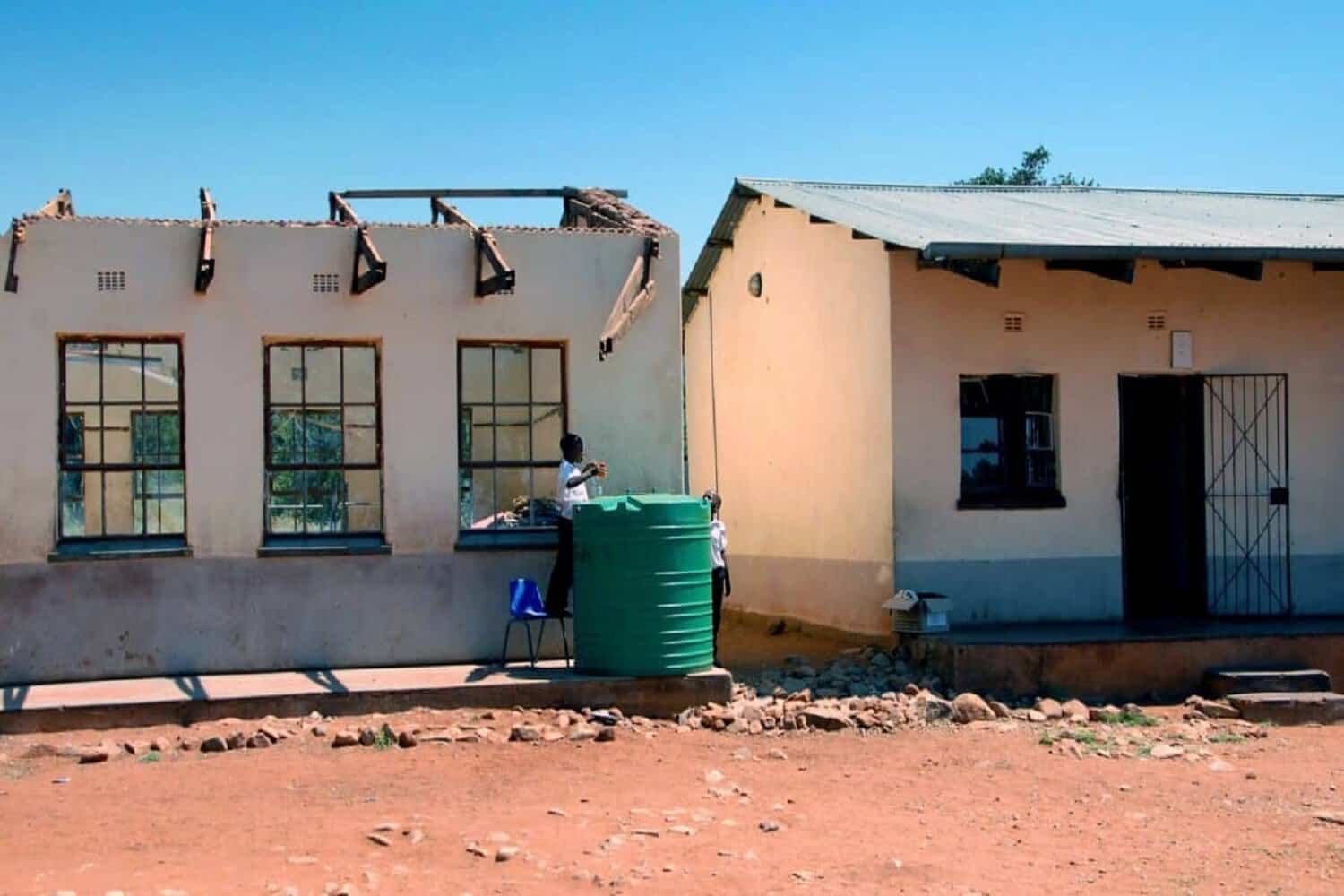
The commission said the recurring challenges pointed to deeper problems within the education system The state of South African schools continues to deteriorate, with infrastructure backlogs, overcrowded classrooms, inadequate sanitation and shortages of teachers and learning materials undermining pupils’ right to education. This emerged from the South African Human Rights Commission’s (SAHRC) monitoring of public schools across the country, with its findings revealing persistent failures in the education system. The commission launched its 2026 State of Schools Monitoring Report at a media briefing on Monday, 23 November, highlighting systemic challenges relating to infrastructure delays, classroom shortages and safety concerns. The report documents findings from visits to 173 schools across all nine provinces during the first quarter of 2026. The commission assessed infrastructure, sanitation, staffing, learning materials, school safety, scholar transport and pupil support services. “Although most schools were operational at the start of the academic year, significant and recurring challenges persist across provinces,” the SAHRC said. Infrastructure and sanitation failures Infrastructure deterioration is one of the most widespread problems, with all nine provinces reporting challenges relating to ageing school buildings, inadequate maintenance and classroom facilities. The commission said the most pressing issue across the country remained “the state of school infrastructure”. In the Eastern Cape, Limpopo and KwaZulu-Natal, it observed schools where “basic physical conditions are not only a barrier to learning but an active risk to learner safety and dignity”. At Jansenville Primary School in the Eastern Cape, a building identified as hazardous continued to be used for classes, while construction at Lamplough SSS had stopped at foundation level after funds ran out. “Even in better-resourced provinces such as the Western Cape and Gauteng, schools rely on mobile classrooms and ageing structures,” the commission said. Sanitation and water supply also remained serious concerns. “Water and sanitation failures continue to undermine learner health and dignity,” the report noted. Overcrowding and teacher shortages Overcrowding and classroom shortages were reported in all nine provinces, with Limpopo recording some of the most severe conditions. “Closely linked is the persistence of overcrowding and classroom shortages, reported in all nine provinces,” the report said. It also found that requests for mobile classrooms, some dating back to 2022, remained unanswered. “Overcrowding is compounded by shortages of desks and chairs in eight provinces,” the report noted. The commission highlighted particularly concerning conditions in KwaZulu-Natal, where some students were sitting three to a desk, while students at Sivuyiseni Primary School in the Eastern Cape were competing for chairs. Staffing instability was another major concern, with shortages reported in eight provinces. “Schools carry unfilled educator posts, rely on SGB-paid educators for core teaching, and lack subject specialists, principals, cleaners, groundsmen, administrative clerks and security staff,” the commission said. Special schools were also struggling to secure the multidisciplinary professionals required to support pupils with specialised educational needs. Shortages of learning materials and furniture The commission found that shortages of learning and teaching support material (LTSM) persisted in six provinces. It attributed the recurring shortages partly to allocations based on the previous year’s enrolment figures, which left schools struggling when student numbers increased. “Allocations based on the previous year’s enrolment produce predictable shortages at the start of each year, top-up requests go unanswered,” the report said. Furniture shortages were reported in eight provinces, with pupils in some schools sharing desks or sitting three to a desk. By comparison, Gauteng, the Western Cape and Northern Cape reported largely sufficient learning materials. What each province is struggling with The report highlighted different challenges across the provinces. Eastern Cape: Schools continue to face severe infrastructure deterioration, unresolved maintenance backlogs, teacher shortages and delays in pupil support services. Scholar transport is also a concern, particularly where flooding prevents pupils from reaching school. Free State: Scholar transport remains a major challenge, with pupils walking long distances and waiting in unsafe conditions. The commission also raised concerns about water supply and social challenges affecting pupil well-being. Northern Cape: Although schools were generally functional, overcrowding, infrastructure maintenance, teacher shortages and inadequate school security remained concerns. Western Cape: Despite comparatively better resourcing, schools continue to experience overcrowding, reliance on mobile classrooms and inequalities between well-resourced and under-resourced institutions. KwaZulu-Natal: Teacher shortages, overcrowding, infrastructure deterioration, inadequate water and sanitation facilities and school safety concerns remain prevalent. North West: Schools face deteriorating infrastructure, inadequate sanitation, shortages of learning materials, scholar transport challenges and security weaknesses, including vandalism and insufficient fencing. Mpumalanga: The report identified ageing infrastructure, shortages of furniture and learning materials, inadequate security, reliance on SGB-funded teachers and delays in placing pupils with special educational needs. Gauteng: While pupil placement and resource availability were generally adequate, challenges in infrastructure, sanitation, overcrowding, security and pupil support persist. Limpopo: The province faces severe overcrowding, teacher shortages, inadequate infrastructure, continued reliance on pit toilets, unreliable water supplies, shortages of furniture and learning materials, and barriers affecting undocumented pupils. SAHRC demands urgent intervention The commission said the recurring challenges pointed to deeper problems within the education system rather than isolated failures at individual schools. It also highlighted delays in assessments, referrals and placements for pupils with special educational needs, with waiting periods ranging from about two months in the Western Cape to between six months and a year in Gauteng and up to three years in the Eastern Cape and Mpumalanga. During these delays, students remain in mainstream classrooms without adequate support. In his foreword, commissioner Tshepo Madlingozi said the findings revealed “a troubling persistence of challenges identified in previous years”. “Regrettably, these challenges remain prevalent in the schools monitored in 2026. Their recurrence raises serious questions about the effectiveness of remedial interventions and how far longstanding recommendations have translated into meaningful improvements in the conditions learners experience,” he said. The SAHRC has requested that the DBE submit a detailed response within 60 days, outlining short-term interventions and long-term plans to address the problems. Provincial education departments must also develop annual service improvement plans and submit them to the commission by 26 February 2027.
Are schools deteriorating? SAHRC finds systemic education failures
Full Article
Original Source
Read the full article at Citizen →KhanList aggregates and links to publicly available news content. We do not host full articles from third-party sources. Always verify important information with original sources.