
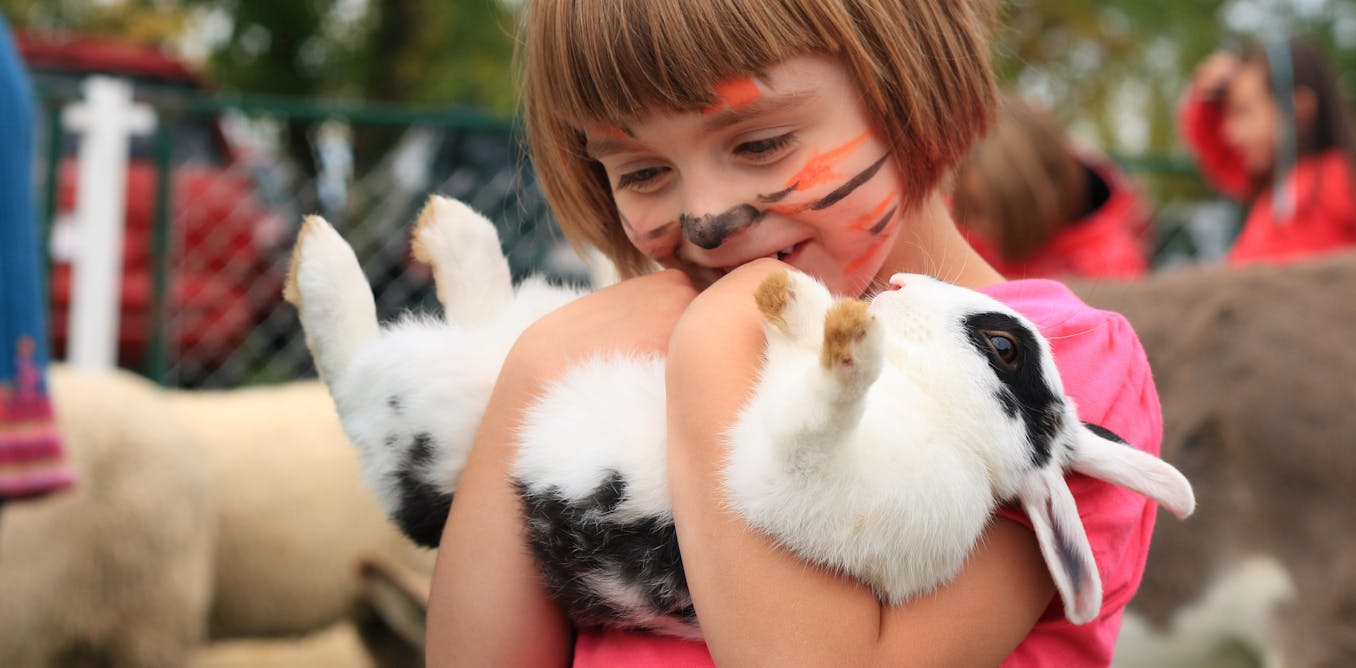
A three-year-old girl has died from a rare illness after visiting a petting zoo in Victoria. She had developed brain damage and kidney failure after spending weeks in intensive care. The girl is confirmed to have had haemolytic uraemic syndrome, a rare but serious serious condition, caused by infection with a specific type of Escherichia coli bacteria (or E. coli for short). This can be transmitted in a variety of ways, including after contact with animals on a farm or at a petting zoo. Fortunately, such tragic cases are rare. But they do shed light on bacterial infections harboured by some animals and the need to take hygiene precautions when visiting petting zoos. I’m a microbiology lecturer, and I’m planning to visit a petting zoo next weekend with my family. Here’s what we know about the infection risk at petting zoos, and what parents can do to help keep their children safe. What is haemolytic uraemic syndrome? Haemolytic uraemic syndrome most commonly results from infection with types of E. coli that produce a specific toxin called the Shiga toxin. Early symptoms of infection are nausea, stomach cramps, vomiting and diarrhoea, which can contain blood. Warning signs that need urgent medical assessment include bloody diarrhoea, markedly reduced urination, lethargy, pallor (looking pale), unexplained bruising or red-purple spots on the skin. If a doctor suspects someone has haemolytic uraemic syndrome, they will ask about symptoms and examine the person. Hospitalisation as soon as possible will be necessary. Blood, stool and sometimes urine tests confirm the diagnosis. The Shiga toxin can damage the lining of blood vessels, which leads to circulatory and kidney problems. This can progress to haemolytic uraemic syndrome, leading to kidney failure, high blood pressure, seizures and in some cases death. So emergency medical treatment is essential, in a hospital intensive care unit, with dialysis and blood transfusions often needed. The disease is more common in children. How is it spread? These bacteria can can spread to humans by contaminated food and water. Humans can also spread the bacteria to other humans, via faeces, such as when changing nappies. But the situation most relevant here is the spread via some animals. Bacteria are present on animal fur and wool, so children can come into contact with it when patting or cuddling an animal. But that’s not the only way. Bacteria are also present on manure, bedding, soil, feed, enclosure floors and fences. The risk lies when people’s contaminated hands come into contact with their mouth. Toddlers are particularly difficult to protect because they often put fingers, toys, food and dummies in their mouths and need help to wash their hands thoroughly. Are some animals riskier than others? Cattle and other ruminants, including sheep and goats, are recognised animal reservoirs for Shiga-producing E. coli, as well as some other pathogens. For example, animal contact can also expose children to Salmonella, Campylobacter and Cryptosporidium, all of which can cause gastroenteritis. While exposure to these can occur on farms, petting zoos and open zoos specifically have been identified as a risk for these microorganisms. Animals may not always show symptoms. Read more: Is it okay to kiss your pet? The risk of animal-borne diseases is small, but real But petting zoos are great for kids, aren’t they? Petting zoos and farm experiences can provide children with educational experiences involving animals, farming, food production and animal welfare. They’re also such a great family activity and educational resource. The Australian Veterinary Association supports petting zoos where animal health, welfare, public safety and disease-transmission risks are appropriately managed. Hygiene plans include clear communication about the risks of infection, readily accessible handwashing facilities, and physical separation between animal-contact and food areas. Parents need to ensure their children are supervised. Most importantly, they need to ensure their children’s hands are washed before coming into contact with anything that might go into a child’s mouth – a dummy, or food, for instance. Hand sanitiser is not as effective as washing with soap and water for 20 seconds or more. So when choosing a petting zoo, favour venues with handwashing stations immediately outside animal areas, with running water, soap, disposable towels and signs reminding visitors to wash before eating or drinking.
Are petting zoos safe?
Full Article
Original Source
Read the full article at Theconversation →KhanList aggregates and links to publicly available news content. We do not host full articles from third-party sources. Always verify important information with original sources.