
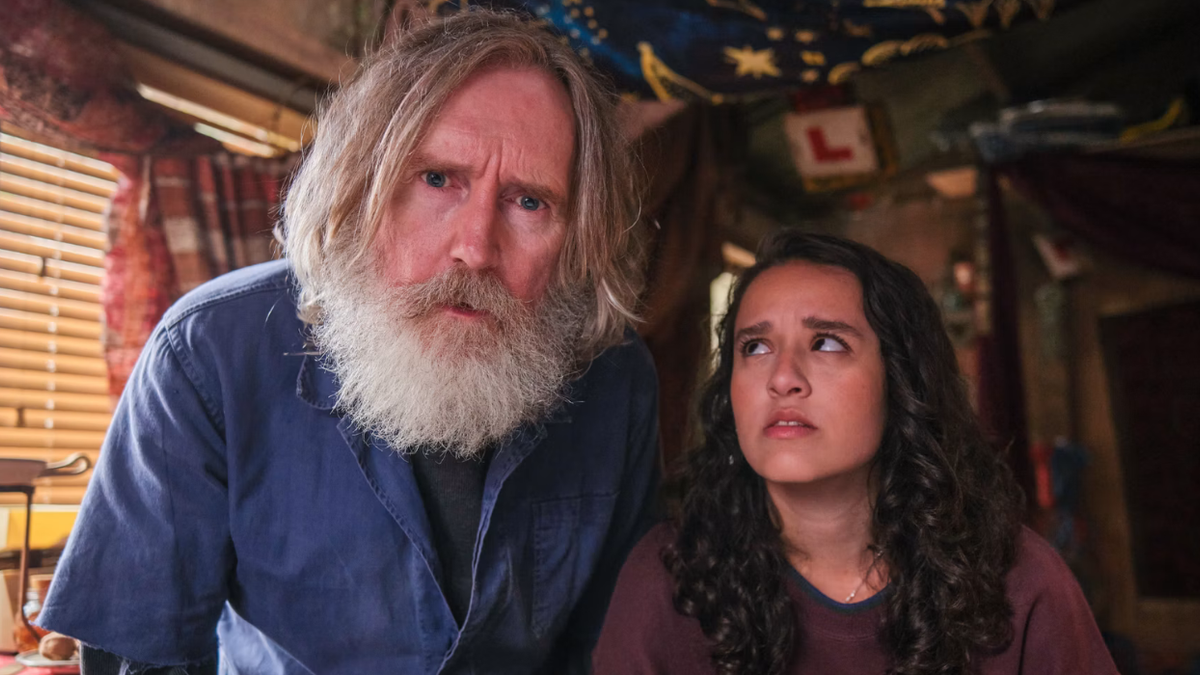
Published Sep 9, 2026, 7:27 AM EDT Greer Riddell is a London-based culture journalist and critic writing on film, television, audience behaviour, and the wider media industry. She is a Writer and Social Media Coordinator at Collider and TV Editor at FILMHOUNDS. Her recent collaborations include Netflix, Warner Bros., DC Studios, Hulu, and Disney+, producing features on titles including Saturday Night Live UK, Severance, Sitcoms, Buffy the Vampire Slayer, and Stranger Things. Her recent reviews include Peaky Blinders: The Immortal Man, Stranger Things: Tales From ‘85’, Scrubs Season 10, and The Boroughs. Her work has also included coverage of UK film festivals and features published in Film Stories Magazine. The streamer that treats every new release like an iPhone launch may finally be feeling the pressure to conform. Over the past month, Apple TV has quietly begun changing the way it builds its library of titles, signaling a new approach that could ultimately mean better value for money and a bigger stake in the market. But could that expansion come at the expense of quality programming? Deadline reported last week that Apple TV has acquired the rights to the BBC comedy series Small Prophets, which hails from Mackenzie Crook and stars Pierce Quigley (The Gentlemen) as Michael Sleep, who grows homunculi in his garden shed after learning how from his father, Brian, played by Monty Python legend Michael Palin. It sounds sci-fi enough to be an Apple TV hit, but the acquisition itself is an unprecedented move. Apple TV Is Slowly Moving Beyond Original Content Apple TV has previously bought individual titles on the basis that they air on its platform first and that it has a hand in how they are produced. Its most notable hit has been Andy Wolton’s Trying, which was the second co-production between Apple and the BBC after a reboot of Prehistoric Planet from Jon Favreau, and has become Apple TV’s longest-running sitcom. Now, Apple seems to be reversing the strategy, buying titles that have already performed elsewhere rather than selling its own IP. When Apple TV launched, it was marketed as “an all-original streaming service” and has managed to hold on to that prestigious reputation for an admirably long time. Yet that strong stance has arguably cost it market share compared with other streaming platforms, which have innovated much faster to stop subscriber churn. The Wall Street Journal reported that Netflix's share of television viewing fell to 7.8% in April, according to Nielsen — its lowest since May 2025. In response, the streamer has slowly been introducing a variety of low-budget content, including social media series such as BuzzFeed’s 30 Questions and Vanity Fair’s Lie Detector Test, podcasts such as The Rest is Football, and live events like Star Search. Apple, by contrast, has built a library around some of television's most critically acclaimed series. The Studio had the most Emmy-nominated comedy debut in history, while Severance received 41 Primetime Emmy Award nominations in 2025. It is also home to some of the buzziest current titles, including Widow’s Bay and Pluribus. This is the result of its strategy of prioritizing quality storytelling over quantity, but that approach also means a slower release rate compared with other platforms. With rising costs and fuller libraries elsewhere, subscribers may increasingly be considering which streamers offer the best value for money. By acquiring already proven titles that fit Apple’s values around quality and critical acclaim, the streamer may be trying to avoid churn caused by wait times while keeping pace with platforms consistently offering more. Apple TV Has Also Added Classic Movies to Its Library It’s not just series that are being acquired by Apple TV after finding success elsewhere. The streamer has also shifted away from exclusively offering original movies. While continuing to make its own features — most recently Mayday, starring Kenneth Branagh and Ryan Reynolds — Apple introduced a selection of “classic” films available to stream globally last month. For a platform known for its original and prestige sci-fi, it makes sense to offer critically acclaimed movie favorites to the same audiences, including E.T. the Extra-Terrestrial, The Martian and Arrival, giving them something to rewatch while they wait for the next original title to drop. The titles also seem to be chosen with a level of wider cultural strategy, suggesting Apple isn’t simply grabbing films for the sake of taking them from a competitor. The Martian, for example, is based on a novel by Andy Weir, who saw another movie success this year with Project Hail Mary. It stars Matt Damon, the lead in 2026’s biggest summer blockbuster, Christopher Nolan's The Odyssey, and was directed by Ridley Scott, who just released his first sci-fi movie in 9 years, The Dog Stars. Since launching, Apple TV has almost followed a studio model — wanting to be HBO and following the lead of its technology business by creating its own premium products that outperform the rest of the market. Competitors like Amazon have approached their streaming service, Prime Video, much like their e-commerce site, offering a huge amount of choice provided by different vendors. Small Prophets' acquisition signals a likely shift towards this template in Apple’s wider strategy. By including proven series and valuable classic films alongside its original programming, the streamer will build a broader, more competitive library that audiences will be happy to stay and pay for.
Apple TV’s New 100% RT Fantasy Deal Could Change How the Streamer Finds Its Next Hits
Full Article
Original Source
Read the full article at Collider →KhanList aggregates and links to publicly available news content. We do not host full articles from third-party sources. Always verify important information with original sources.