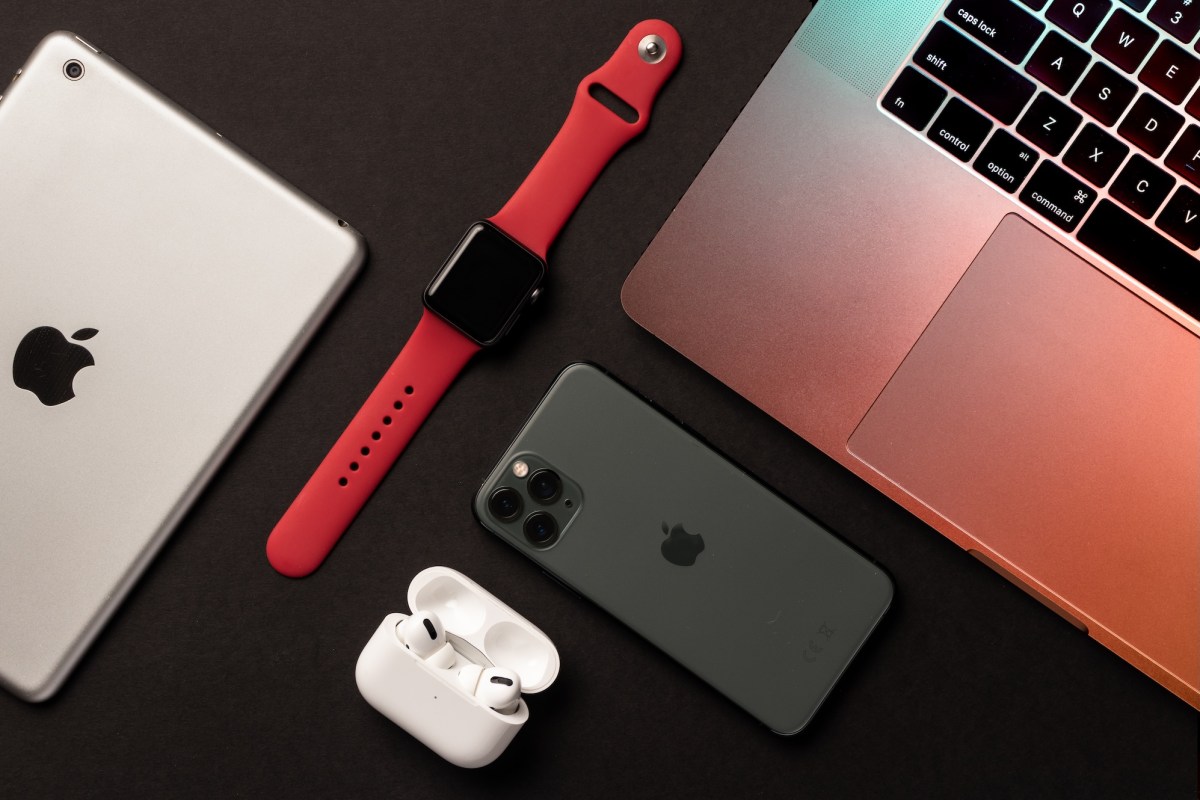
As the generative AI boom drives steep demand for hardware components, Apple and other hardware makers are facing what outgoing CEO Tim Cook calls “a hundred-year flood [on] memory pricing,” which is severely impacting the cost of producing iPhones, MacBooks, and other devices. Apple described its recent earnings report as its “strongest June quarter ever,” with iPhone and Mac sales performing better than expected, growing 22% and 29% respectively year over year. Yet the company is bracing for memory shortages, known as RAMageddon, to get even worse. Apple’s biggest challenge is securing the advanced memory nodes used in its Apple silicon chips, which power the A-Series and M-Series processors used in iPhones and Macs. “We continue to expect high levels of demand. However, with less flexibility in supply chain, we expect the impact from the supply constraints to increase significantly sequentially,” Cook said on Apple’s quarterly earnings call. “We’re seeing some very significant constraints currently with limited flexibility in the supply chain to remedy it.” Apple is evidently worried enough about supply shortages that it reported $11.1 billion in inventory, nearly double the $5.7 billion it reported last September. This marks a break from Cook’s long-held supply chain approach, which has emphasized minimizing how much inventory Apple has on hand. These constraints led Apple to “reluctantly” raise the price of Macs and iPads last month, Cook added. Other companies that have raised hardware prices include Meta, Samsung, Microsoft, and Sony. “We’re going to be scrambling on the supply side, essentially,” Cook said. For the upcoming quarter, Apple is predicting revenue growth between 9% and 11% year over year. But in the last several quarters, Apple has maintained about 16% year-over-year growth. Of course, that worries investors — Apple stock dropped 6% in after-hours trading. When Senior VP of Hardware Engineering John Ternus steps into the CEO role in September, the company could be facing a rough patch, but at least Apple isn’t alone in its supply struggles. When you purchase through links in our articles, we may earn a small commission. This doesn’t affect our editorial independence. Amanda Silberling is a senior writer at TechCrunch covering the intersection of technology and culture. She has also written for publications like Polygon, MTV, the Kenyon Review, NPR, and Business Insider. She is the co-host of Wow If True, a podcast about internet culture, with science fiction author Isabel J. Kim. Prior to joining TechCrunch, she worked as a grassroots organizer, museum educator, and film festival coordinator. She holds a B.A. in English from the University of Pennsylvania and served as a Princeton in Asia Fellow in Laos. You can contact or verify outreach from Amanda by emailing amanda@techcrunch.com or via encrypted message at @amanda.100 on Signal. View Bio
Apple stockpiles inventory as it braces for ‘significant supply constraints’
Full Article
Original Source
Read the full article at Techcrunch →KhanList aggregates and links to publicly available news content. We do not host full articles from third-party sources. Always verify important information with original sources.