
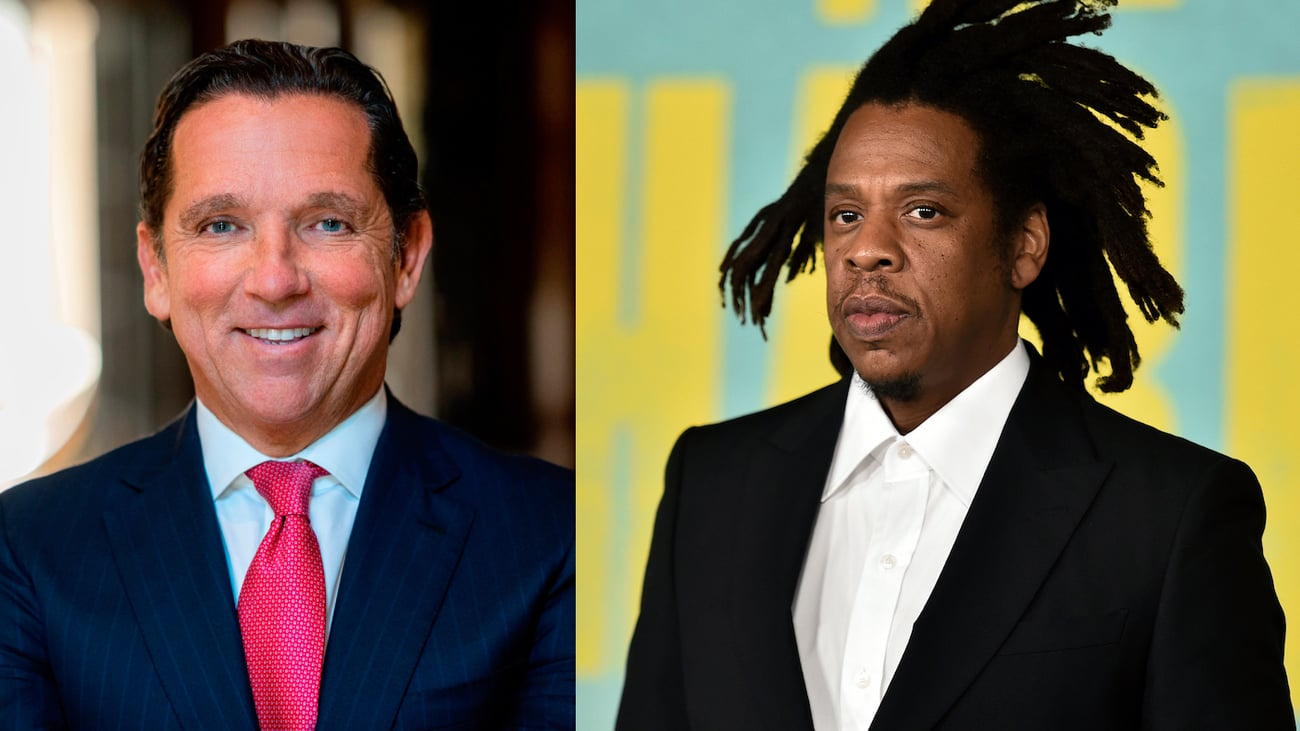
A Superior Court judge had ruled that Tony Buzbee's demand letters to Jay-Z were protected by the litigation privilege, and a three-judge appellate panel agreed.LOS ANGELES (CN) — A California appellate panel declined to revive Jay-Z’s extortion and defamation lawsuit against Houston-based attorney Tony Buzbee on Wednesday.The lawyer had briefly represented two unnamed clients threatening to sue Jay-Z, whose real name is Shawn Carter, over rape accusations.“The record contains no evidence Buzbee accused Carter of raping Jane Doe while knowing those statements to be false or with reckless disregard as to whether they were true,” wrote Associate Justice Anne Richardson in the Second Appellate District panel’s unanimous ruling. “To the contrary, Buzbee submitted declarations showing his firm’s … investigations led him to subjectively believe in the truth of the accusations.”In an email, Buzbee declared victory and said he would seek legal costs from Carter.“The case was a skunk from the beginning that I knew eventually would be tossed because it never had merit,” Buzbee said. “The entire effort was nothing but an effort to twist facts and distort the truth. We now will seek to force the plaintiff to pay every penny of our legal expenses and costs and I expect we will win that as well.”Attorneys for the “99 Problems” rapper have not responded to a request for comment.The legal dispute is a leftover of the scandal involving Sean Combs, better known as Diddy, who was convicted of prostitution-related charges last year, and has been sued by a range of men and women on charges of sexual impropriety. In 2024, Buzbee made headlines by claiming other well-known celebrities had participated in crimes with Diddy, setting off a wave of rumors speculating about whom he was talking about.Buzbee sent Carter’s lawyers two demand letters, accusing the hip-hop star of raping two minors decades ago. The letters gave a choice: attend a confidential mediation session where “something of substance” would be given to the survivors, or face lawsuits. Carter declined to settle with Buzbee’s clients, one of whom did file a lawsuit in federal court in New York, accusing both Combs and Carter of raping her when she while she was still a minor. The unnamed woman dropped her suit two months later.Still not satisfied, Carter sued Buzbee for extortion based on the demand letters, as well as defamation based on interviews Buzbee had given to various media outlets, in which the lawyer suggested he would be going after others who attended Combs’ infamous “freak offs.” One last count of defamation was based on Buzbee “liking” a post on the social media site X speculating that Carter was one of the mystery celebrities.Buzbee filed an anti-SLAPP motion, seeking to dismiss the complaint on the grounds that it was aimed at chilling free speech and public participation. The motion was the subject of three lengthy hearings, in which the judge wavered back and forth on a variety of issues, including the admissibility of new evidence: the transcript of a conversation between Carter’s on-again-off-again accuser and a pair of private detectives working, as they said, on “behalf-ish” of the rapper. The woman appeared to admit Carter had never raped her and Buzbee had convinced her to name the billionaire rapper as a defendant anyway.In July 2025, Superior Court Judge Mark Epstein agreed to dismiss Carter’s lawsuit. The demand letters, he ruled, were protected by the litigation privilege, and didn’t qualify as extortion. As for the defamation claims, Epstein found they were based on statements that only vaguely alluded to other celebrities that the attorney might be targeting.“At most, Carter’s evidence suggests that Buzbee could have done more, and that had he done so, he might have — or even would have — learned of facts that might have given him pause before accepting Doe’s assertions,” Epstein wrote.Carter appealed, hoping to overturn the anti-SLAPP ruling and revive his lawsuit. But a three-judge California Court of Appeal panel found nothing wrong with Epstein’s ruling.“The evidence shows the demand letters related to litigation contemplated in good faith, Buzbee sent the demand letters to resolve his clients’ claims against Carter, and the communications bore a logical relation to the litigation threatened against Carter,” Richardson wrote. “Carter fails to show there is a triable issue.”Though Carter had argued that Buzbee’s anonymous clients had “no real interest” in filing a public lawsuit, “the actual contents of the demands reveal otherwise,” Richardson wrote. Carter, she added, failed “to point to any evidence to support this interpretation of Jane Doe’s actions.”Justices Victoria Chavez and Stephen Goorvitch concurred with the ruling.Categories / Appeals, Arts, LawSubscribe to our free newslettersOur weekly newsletter Closing Arguments offers the latest about ongoing trials, major litigation and rulings in courthouses around the U.S. and the world, while the monthly Under the Lights dishes the legal dirt from Hollywood, sports, Big Tech and the arts.Additional Reads
Appeals court has 99 problems with Jay-Z’s extortion lawsuit against attorney
Full Article
Original Source
Read the full article at Courthousenews →KhanList aggregates and links to publicly available news content. We do not host full articles from third-party sources. Always verify important information with original sources.