
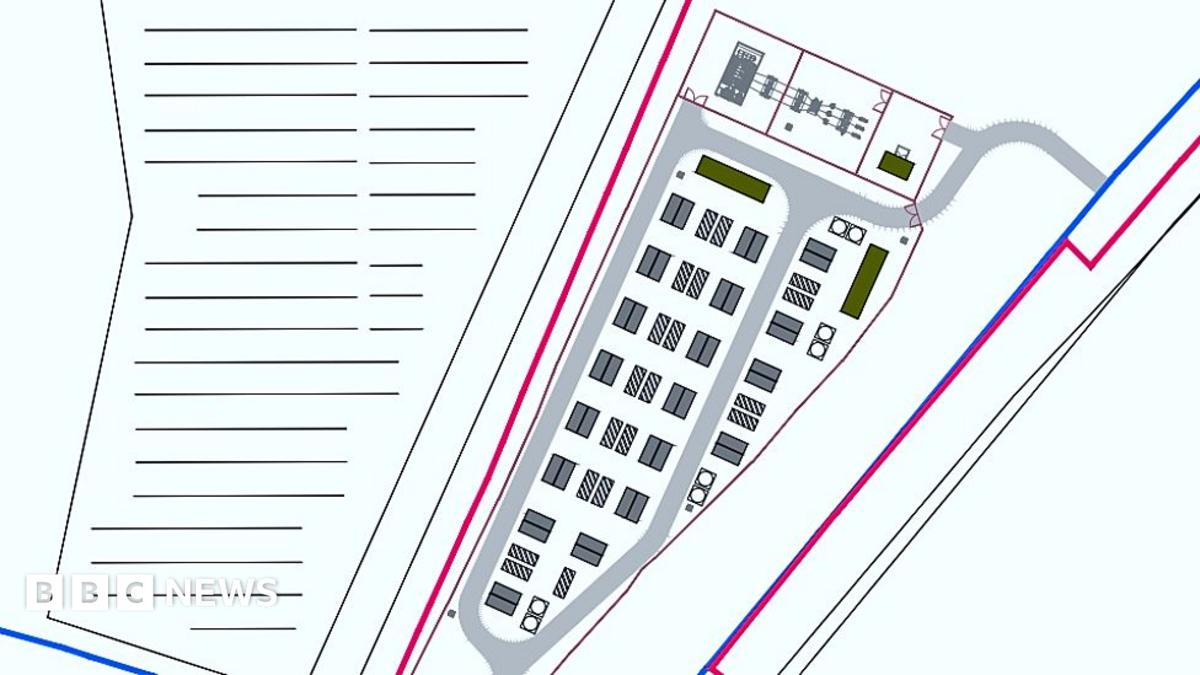
The appellant said it believed it would be about eight years before water used to fight a notional fire at the BESS would reach the drinking water source, but the inspector said there had been "insufficient evidence" to substantiate this.The appeal decision notice stated the appellant had put forward revised plans that East Devon had not had put before it. These included an increase in the size of the water tanks, relocation of some of the tanks, the separation distance between pairs of containers being 6m (20ft) apart, and other alterations.Campaigners from Devon branch of the Campaign to Protect Rural England (CPRE) and the Hawkchurch and Monkton Wyld Action Group said they were "massively relieved" plans for the site had been blocked.Devon CPRE energy spokesperson Dr Phil Bratby added: "For years, Devon CPRE has been highlighting the risks from the hazardous materials that could be released and contaminate the groundwater."Kirby said that, while the benefits of the scheme would "outweigh the moderate harm that would be caused to the Dorset National Landscape", they were "insufficient" to outweigh the "very substantial, overriding, unacceptable risks in respect of pollution of the water environment".Proponents of BESS systems highlighted their benefits in helping the nation reach net zero aspirations, notably because they could store energy.The UK government noted BESS systems used batteries, for example lithium-ion batteries, to store electricity at times when supply was higher than demand."They can then later release electricity when it is needed. BESSs are therefore important for "the replacement of fossil fuels with renewable energy", it stated.
Appeal for major energy storage system rejected
Full Article
Original Source
Read the full article at Bbc →KhanList aggregates and links to publicly available news content. We do not host full articles from third-party sources. Always verify important information with original sources.