
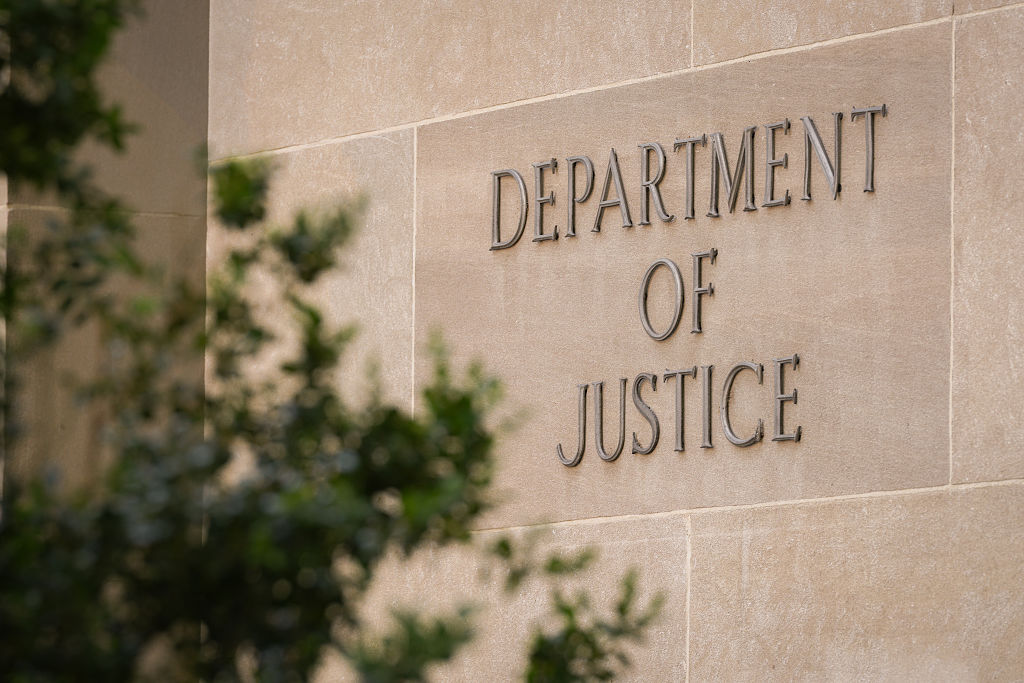
The United States is wading back into the anti-corruption fight. The Department of Justice (DOJ) revealed on November 16 its first indictment under the Foreign Extortion Prevention Act (FEPA) — legislation that allows DOJ to criminally prosecute foreign officials who solicit or take bribes. Although FEPA became law in 2023, DOJ brought no case under the legislation until now. This first action under FEPA is promising but not yet a policy. The real test is whether DOJ has the resources, mandate, and determination to sustain a full pipeline of corruption cases. That matters especially since 2025, when DOJ announced a shift away from traditional foreign bribery prosecutions, a move many read as America stepping back from its historic leadership on the issue. Honduran Consulate Scandal Results in Enforcement Ada Serrano, Honduras’s consul general in Atlanta from July 2022 to March 2026, allegedly demanded bribes from a Tennessee-based transportation company that brought Hondurans from across the Southeast to Atlanta for meetings with consulate officials. The company passed the bribes to a consulate staff member who gave the cash to Serrano’s adult sons, who in turn laundered it through deposits ranging from $100 to $6,000 into personal bank accounts. Prosecutors allege that the scheme generated more than $375,000. Serrano was arrested at Atlanta’s Hartsfield-Jackson International Airport on November 15 and pleaded not guilty to the charges. Her sons and a former consulate employee have also been arrested and charged separately. Weakened Anti-Corruption Enforcement Limits Legislative Efforts FEPA is one of two complementary laws that form the foundation of corruption-specific American illicit finance law. The act targets the demand side of corruption, authorizing the U.S. government to pursue foreign officials who solicit bribes in cases with a U.S. nexus — meaning cases in which a foreign official who demands a bribe from a U.S. person, U.S. company, or U.S.-listed issuer operating anywhere in the world. The Foreign Corrupt Practices Act (FCPA) targets the supply side of corruption — criminalizing the offering of bribes. While FEPA is relatively new, FCPA has been used in hundreds of cases to deter foreign corruption since 1977. This first-ever FEPA prosecution follows a sudden pullback of U.S. anti-corruption enforcement. In 2025, the Trump administration issued an executive order pausing enforcement of FCPA. Later that year, DOJ closed numerous FCPA investigations and redefined enforcement priorities to focus on drug cartels and avoid investigations that might “burden” U.S. companies. The moves were seen as a blow to global anti-corruption efforts and reportedly cost DOJ’s anti-corruption unit between one-third and one-half of its prosecutors in the first half of 2025 alone. Congress Should Expand and Re-Empower Anti-Corruption Enforcement DOJ should redouble its prosecution of global corruption cases under both FEPA and FCPA. Sustained anti-corruption enforcement could weaken the criminal networks and kleptocracies that rely on bribery and extortion, curbing global illicit financial flows and, in turn, building a more level playing field for U.S. business and investment abroad. DOJ should rebuild its anti-corruption unit to pursue a much broader set of cases, including cases involving American businesses extorted abroad, which FEPA also covers. Congress should request an updated staffing count from DOJ and restore adequate funding for DOJ’s anti-corruption unit. To ensure transparency, it should also require DOJ leadership to document its reasons when leadership overrules senior prosecutors’ recommendations to bring or dismiss foreign bribery charges. Congress should further act to restore FCPA’s broader enforcement mandate, which has narrowed to cartel-related conduct. Finally, as the United States increases financing of and investment in major projects abroad — including energy, critical minerals, and other essential supply chains — exposure to corruption risk will grow. DOJ should work with the State Department to publicize FEPA resources abroad, including reporting mechanisms that encourage businesses to come forward more quickly. Elaine Dezenski is senior director and head of the Center on Economic and Financial Power (CEFP) at the Foundation for Defense of Democracies (FDD), where Susan Soh is a research associate. For more analysis from Elaine, Susan, and FDD, please subscribe HERE. Follow Elaine on X @ElaineDezenski. Follow Susan on X @SusanSoh827. Follow FDD on X @FDD and @FDD_CEFP. FDD is a Washington, DC-based, nonpartisan research institute focused on national security and foreign policy.
Anti-Corruption Efforts Remain Weak Despite First U.S. Foreign Extortion Prosecution
Full Article
Original Source
Read the full article at Fdd →KhanList aggregates and links to publicly available news content. We do not host full articles from third-party sources. Always verify important information with original sources.