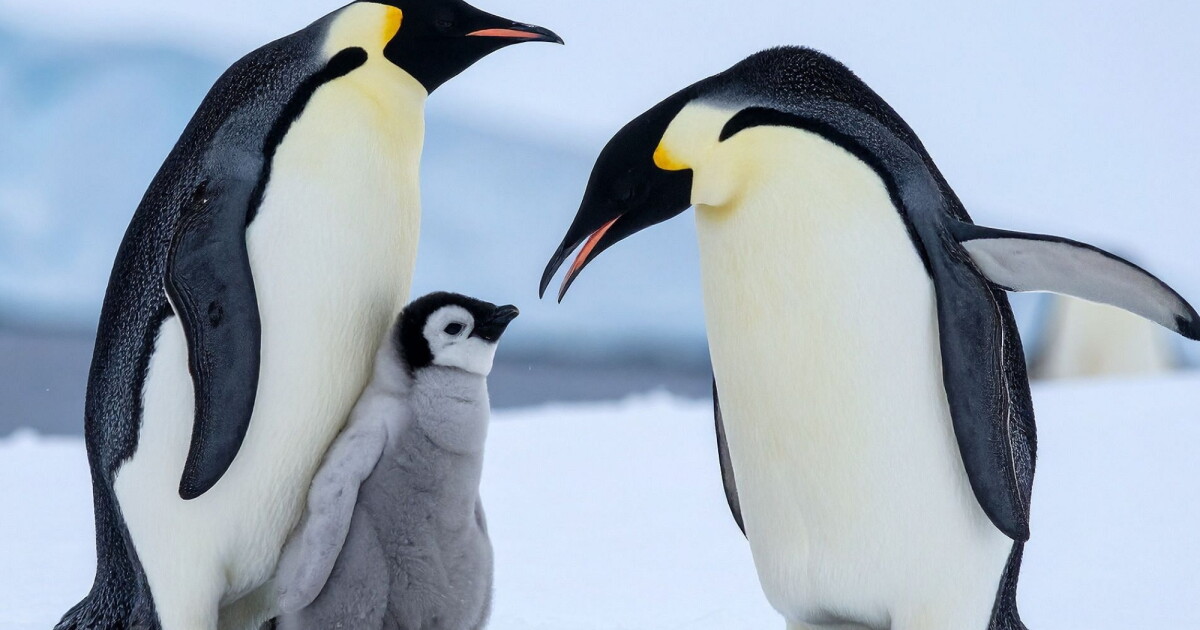
Sixteen different PFAS compounds have been discovered in the feathers of Antarctic penguins, demonstrating that the insidious spread of "forever chemicals" now reaches the most remote wildlife on Earth.A team led by researchers from George Mason University in the US looked for signs of 38 PFAS compounds in feathers collected from Adélie, Gentoo, and Emperor penguins at three sites: the Henryk Arctowski Polish Antarctic Station, Koupit Island, and the Chilean General Bernardo O'Higgins Station. Feathers make an unusually good PFAS record because they're built from keratin, a protein that many PFAS compounds bind to readily.All three species tested positive, with Emperor penguins carrying the highest concentrations, followed by Gentoo, and then Adélie penguins. The concentration of PFAS substances also varied by the birds' age and location, though diet emerged as one of the strongest drivers overall; contamination levels tracked closely with prey type, feeding behavior, and each species' position in the food chain.“This is not the first study that has looked at PFAS in penguin feathers, but not a lot has been done in this particular region, mostly because it's very hard to get to Antarctica,” Purdue University ecotoxicologist Maria Sepulveda told Refractor. Until recently, she added, researchers had assumed the region was too remote for the chemicals to reach at all.That assumption no longer holds. Prized for their resistance to heat, water, and grease, PFAS were developed in the late 1930s to solve a range of industrial and manufacturing problems. By the late 1950s, the compounds were turning up in human blood, and by the 1960s and '70s scientists had linked them to serious health harms, a risk profile that hasn't gone away. “PFAS substances have been linked to all kinds of health problems: from reproductive and immune to neurological problems, and cancers when people are exposed to very high doses,” Sepulveda says. Global production now exceeds a million tonnes a year, and the chemicals remain embedded in everyday products, including food packaging, even as regulators in various countries push to phase them out.How they reach a continent with no industry, no towns, and no permanent population is the more startling part of the story. Researchers believe PFAS travel through the atmosphere and settle onto the ground in rain, snow, sea spray, and ocean currents, only to keep moving once they hit the water. “We don't really know the exact way they get there, but they make it there,” Sepulveda said. “We don't have anywhere on this planet where we don't have these chemicals.”What the chemicals are doing to the penguins themselves is an open question; the study didn't assess physiological or health effects, so it's not yet clear whether the contamination is altering the birds' body systems in any way.The findings, however, add Antarctic seabirds to a growing list of species now carrying a chemical signature with no clean point of origin, a reminder that the reach of forever chemicals outpaces our understanding of what they're doing once they arrive.This research was published in Environmental Toxicology and Chemistry.Source: EurekAlertFact-checked by Mike McRae
Antarctica's penguins carry forever chemicals in their feathers, study reveals
Full Article
Original Source
Read the full article at Newatlas →KhanList aggregates and links to publicly available news content. We do not host full articles from third-party sources. Always verify important information with original sources.