
Anorexia nervosa can cause devastating damage to the human body affecting the heart brain kidneys and bones. Anorexia nervosa can cause devastating damage to the human body, affecting the heart, brain, kidneys and bones. Prolonged starvation can lead to organ failure and sudden death, while some of the damage may be irreversible, even after recovery. Anorexia is life-threatening, even if sufferers look healthy And someone does not have to look dangerously thin to be seriously ill. The starting blocks of anorexia could be skipping meals, exercising harder or wanting to lose a few kilograms. What may seem from the outset like an innocent attempt to control body weight can become a dangerous psychological battle. People who suffer from the condition can eventually lose control over their learned behaviours. The consequences can include organ damage, distorted thinking and years of psychological recovery. Anxiety, perfectionism, insecurity and the need to control something in life can all contribute to anorexia nervosa. It is a serious mental illness that affects how sufferers perceive themselves and the world around them. Psychologist Elize Thesner said the disorder is associated with structural and functional changes in the brain, including reductions in grey matter observed through brain imaging. Structural and functional changes in the brain “Initially, the person controls the restriction of food intake, excessive exercise, or even complete withholding of food,” she said. “Eventually the restriction begins controlling the person. When someone experiences a sense of being out of control in other areas of their life, controlling food intake may become one area in which they feel they still have control.” Thesner said restricting food could initially relieve anxiety and create a sense of emotional security. The behaviour then becomes self reinforcing because avoiding food temporarily reduces the distress associated with eating. Psychological pressures such as anxiety, control and perfectionism accounted for approximately 80% of the problem, compared with 20% related to body image. The illness can become so severe that sufferers fail to recognise the physical harm they are causing themselves. Starvation can damage organs, while distorted thinking may convince someone who is dangerously underweight that they still need to lose weight. Prolonged starvation can lead to organ failure “The person may never feel thin enough, because the distorted perception of their body does not correspond with how others see their physical reality,” she said. Sufferers could become fixated on perceived defects, interpreting their reflection differently from what others see. “They may misinterpret their reflection in the mirror and inaccurately perceive their body size or shape,” she said. Some of the earliest warning signs may be revealed around the family dinner table, particularly when someone suddenly loses interest in meals they previously enjoyed. Thesner said changes in social eating were important indicators because they could reveal behaviour that might otherwise go unnoticed. “The importance of sitting together at a table as a family can reveal behavioural changes,” she said. Other signs include obsessive food measurement, excessive exercise, frequent body checking, negative comments about appearance and withdrawing from friends or family. Loose clothing may conceal physical changes, while anxiety, mood changes and increasingly rigid routines can accompany the illness. Thesner said criticism about appearance, weight, puberty or physical development could contribute to vulnerability. Social media could aggravate existing insecurities through repeated exposure to idealised bodies and unrealistic expectations. “Idealised bodies presented on social media can contribute to social comparison and may lead the brain to interpret perceived differences as evidence that a person is not good enough,” she said. Algorithms consistently exposing users to appearance-focused content could reinforce dissatisfaction and encourage attempts to correct perceived imperfections. Families desperate to help may inadvertently worsen the situation by confronting sufferers about their weight, commenting on their appearance, or insisting they simply eat more. Thesner said even well-intended remarks could be interpreted negatively because of the psychological sensitivity surrounding food and body image. She advised families to focus on emotional support and encourage professional help, without making appearance the centre of every conversation. Statements such as “I am here for you,” “What can I do to help you?” and “Would you like to talk to someone?” could make people living with the condition feel supported rather than judged. Even jokes about food, calories or weight should be avoided. Physical improvement, she said, does not necessarily mean someone has recovered psychologically. Thesner likened aspects of anorexia to addiction because established thought patterns and behaviours could remain powerful, even after nutritional and physical health improved. Healthier and more enjoyable hobbies can provide alternative ways of managing “Challenging recurring thought processes requires repetition and consistency in developing healthier behaviours,” she said. “Healthier and more enjoyable hobbies, together with effective coping skills, can provide alternative ways of managing emotions and stress.” Recovery includes confronting underlying fears, learning to eat without rigid rules and recognising that the illness does not define the individual. Although physical healing could occur relatively quickly in some cases, psychological recovery could take years. Thesner said loneliness, exhaustion, anger and fear could reactivate old behaviour. “Triggers and cravings for previous behaviours can make relapse a real possibility and thought patterns may need to be monitored and challenged on a daily basis,” she said.
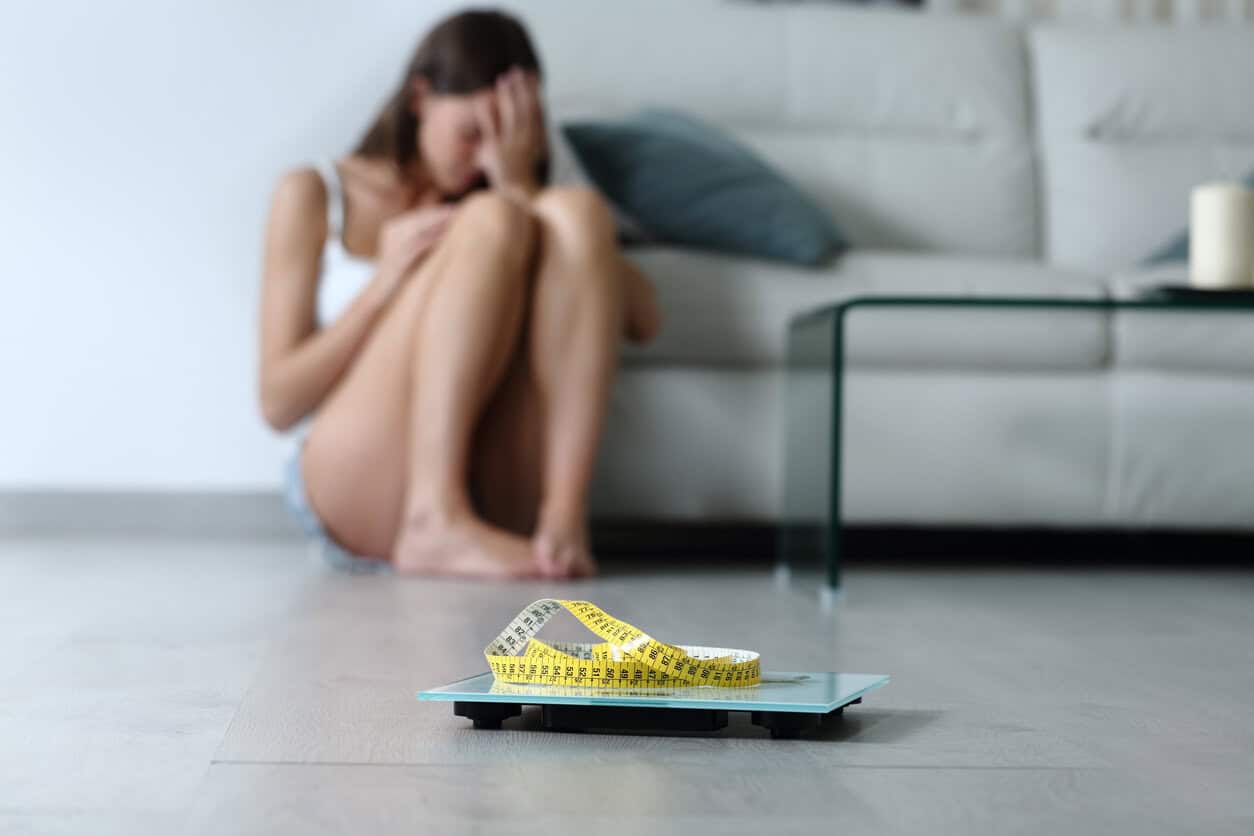
Anorexia is life-threatening and can cause organ damage
Full Article
Original Source
Read the full article at Citizen →KhanList aggregates and links to publicly available news content. We do not host full articles from third-party sources. Always verify important information with original sources.