
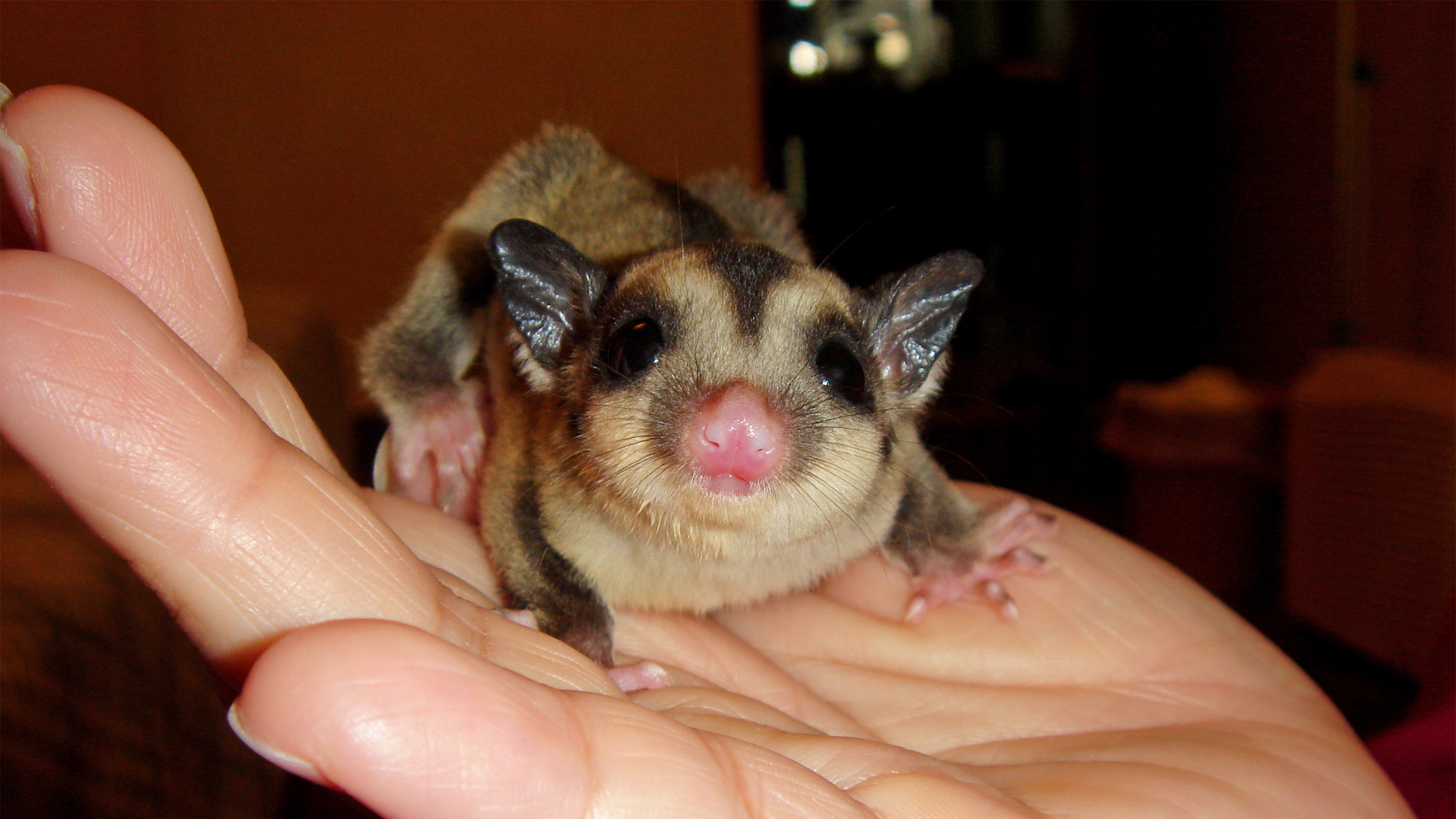
The exotic pet trade, whether legal or illegal, creates endless opportunities for diseases to spill over from wildlife to livestock and humans.Growing human-wildlife contact at pet cafes, petting zoos, and public events adds to the risk, while weak regulations and poor oversight can make transmission difficult to trace.Experts say that a stronger “One Health” approach embracing both animal and human health is needed for all wildlife trade, including the growing exotic pet trade.They call for more research on the issue, as well as careful surveillance and stronger oversight of wild animal imports and exports. Mumbai-based veterinarian Rina Dev was hospitalized for four days recently with a lung infection. “I hope it’s not something from the parrots I was treating,” she told Mongabay India after being discharged from the hospital. Dev is an avian and exotic animal veterinarian who works closely with the forest department to treat animals that officials have seized from the illegal wildlife trade. Her concerns were valid. Psittacosis, caused by a bacterium, commonly infects people who handle birds, earning its nickname as “the bird handler’s disease.” A 2024 case describes a man who developed a high fever, chills, shortness of breath, cough, joint pain, and other symptoms — and broad-spectrum antibiotics didn’t help. He’d caught psittacosis from a parrot. With appropriate treatment, he recovered. There are many documented cases linking wildlife trade to human infections. In one instance, 15 customs officers in Belgium contracted psittacosis after being exposed to infected parakeets. A comprehensive review of the disease by the ICAR–Indian Veterinary Research Institute in 2021 noted it had “critical zoonotic potential.” But it’s just one of many pathogens that can cross the species barrier, sometimes adapting to new hosts in the process. For decades, scientists have tried to inform the public that wildlife trade brings different species into unnatural proximity, creating opportunities for diseases to spread to animals that have no immunity to them. A 2026 report by Humane World for Animals warns that, in India, the exotic pet trade creates conditions that are extremely conducive to disease transmission. Preventing future outbreaks requires careful monitoring of potential risks to human, animal, and ecosystem health. The recent report also flags India’s lack of a cohesive post-importation disease surveillance system, which is a problem in countries across the globe. A red-lored Amazon parrot, which is native to Central and South America. Those who handle exotic birds are often at risk of contracting psittacosis, which has been nicknamed “bird handler’s disease.” Image courtesy of Humane World for Animals India. Wildlife trade linked to disease “Zoonotic disease” became a common phrase in the global lexicon when the COVID-19 pandemic showed what can happen when pathogens jump from animals to humans: In that case, a pandemic brought the world to a standstill. Approximately 1.7 million unknown viruses are thought to exist in mammals and birds, with perhaps 850,000 potentially capable of infecting humans, according to the recent report. Meanwhile, many diseases are still unknown. Wildlife of all kinds, both animals pulled from the wild and those bred in captivity, are shipped across the globe every day. Some are known to carry pathogens that readily infect humans. For example, birds, reptiles and primates that are commonly traded as pets can carry Salmonella, which impacts the intestinal tract, and Chlamydia psittaci, which causes psittacosis. Many animals carry herpes viruses. International trade of wild animals sold as pets creates the perfect opportunity for pathogens to cross the species barrier. Animals that are subjected to stressful capture, transport, confinement, and poor care have compromised immunity, while crowding, filthy conditions, and exposure to species from around the world and the pathogens they carry increases opportunities for diseases to jump between them. “Animals can contract a host of pathogens during transportation and sale,” Dev said. There are many examples, including the 2003 outbreak of severe acute respiratory syndrome (SARS): The conduit that brought SARS from bats to humans involved masked palm civets (Paguma larvata) sold in wildlife markets, which illustrates how various species can act as intermediate hosts. In Malaysia, the Nipah virus crossed from fruit bats to pigs and then to humans that established farms at the edge of the rainforest. The virus that causes Middle East respiratory syndrome (MERS), identified in 2012, is associated with dromedary camels (Camelus dromedarius). African fruit bats of the Pteropodidae family are the natural host for the deadly Ebola virus, which can infect chimpanzees, gorillas, and humans. In the current outbreak, there have been 11,114 confirmed cases in the Democratic Republic of the Congo as of Nov 10, with 5,433 deaths. A handful of cases were reported in Uganda (20) Kenya (9), and Nigeria (1). It’s the fastest-spreading Ebola outbreak ever recorded. Psittacosis can infect many bird species, as well as a few mammals — including humans. Image courtesy of Wang, et al. (2024). Salmonella bacteria, commonly carried by reptiles, invades an immune cell. Image courtesy of NIAID (Public domain). Increasing spillover Over the last few decades, there has been increasing occurrence of new infectious diseases, especially those that cross species boundaries, according to a new study in the journal Interdisciplinary Perspectives on Infectious Disease. Researchers found that “exotic pets serve as significant vectors of zoonotic diseases.” They estimated that 75% of new or reemerging infectious diseases are zoonotic, and the source of infection is usually animals. Mammals seem to be especially susceptible to acquiring new pathogens when they’re in close contact with other animals. Those pathogens may then infect humans. An analysis of global wildlife trade data gathered over the last 40 years found that mammal species in trade were 50% more likely to share pathogens with humans than non-traded mammal species. Notably, the analysis, published in the journal Science, found that the longer a wild mammal species remained in trade, the more pathogens it tended to share with humans. On average, a wild mammal species shares one additional pathogen with humans for every 10 years it is present in the global wildlife trade, the study reported. Yet wildlife trafficking continues to be the fourth-largest illicit transnational activity in the world, after drug, human and illegal arms trafficking. However, even legally traded animals can carry or acquire disease. Zoonotic diseases jump between livestock, wildlife and humans, as shown here. Image courtesy U.S. Government Accountability Office (Public domain). Pathways for pathogens Dev, the veterinarian, flagged multiple infections that have zoonotic potential. Rodents and domestic animals can harbor the bacteria that causes leptospirosis. Avian influenza now infects about 613 bird and 112 mammal species on all seven continents: It finally reached Australia in June 2026. Tuberculosis, Dev said, is increasingly being detected among primates, one of many disease they may be susceptible to. “One of the biggest concerns regarding primates is that they are closely related to humans. That makes disease transmission between humans and primates easy,” said Uttara Mendiratta, a conservation researcher working on illegal wildlife hunting and trade. While viruses and bacteria are of serious concern, “parasites such as ticks and gastrointestinal parasites in these animals, too, can cause diseases,” Dev said. For example, she has detected cases of Lyme disease during screening in traded wildlife; Lyme is carried by deer ticks. Fleas can carry Yersinia pestis, the bacterium that causes bubonic plague, which killed somewhere between 34 million and 50 million people during the Middle Ages. Mosquitoes carry a host of zoonotic diseases: West Nile Virus, dengue Fever, yellow fever, and Rift Valley fever, to name just a few. Handlers of exotic animals are susceptible to various zoonotic infections, including tuberculosis from primates, leptospirosis from the rodent family, avian influenza from birds and Salmonella from reptiles, among others. Image courtesy of Humane World for Animals India. A review of 82 studies on illegal wildlife trade identified 240 pathogen cases. More than 60% involved pathogens with known zoonotic potential, including 44 associated with birds, 47 carried by mammals, 16 by reptiles, two each by amphibians and fish, and one found in invertebrates. New research identified a broad range of pathogens in exotic pes — and many of them exhibited antimicrobial resistance, which is a growing global problem as bacteria, viruses, fungi, and parasites stop responding to antibiotics and other medicines. In July 2025, a consignment of 2,500 red-eared sliders (Trachemis scripta elegans) was seized in Singapore. They carried Salmonella; all were euthanized. Around that same time, in the U.S., pet geckos were linked to an outbreak of three types of Salmonella that infected 113 people in 36 states. Meanwhile, more than 500 reptile species are now desired as “exotic pets” globally, including many threatened and protected species. In July 2025, a consignment of 2,500 red-eared sliders, like those pictured here, was seized in Singapore, headed for India. The turtles carried Salmonella, and were euthanized. Image courtesy of Humane World for Animals India. Animals that are shipped internationally, whether legally or illegally, can carry bacteria, viruses — and parasites, like this black-legged tick, a species that can carry Lyme disease, babesiosis, and anaplasmosis. Image © Joe MDO via iNaturalist (CC BY-NC 4.0). Are we ready for another pandemic? Wildlife trade creates a chain of opportunities for pathogens to spill over across species: living in groups in captive-breeding facilities; long-distance transportation, often under poor and crowded conditions; and being caged among animals from across the globe in shops or markets, from Brazil to Thailand and beyond. These conditions can weaken immunity, increasing the risk of infection and viral shedding, heightening the risk of potential spillover to other species, including humans, according to the Humane World for Animals report. While direct contact with these animals is an obvious route of transmission, people can also pick up these diseases in other ways: from bites and scratches; contact with saliva, excreta or contaminated cages, food, and water; and by breathing respiratory droplets spread as a sick animal coughs or sneezes. There have been questions about the ability of first responders, including environmental officers and customs officials, to handle zoonotic risks when animals are seized. They are often not well-equipped, Mendiratta said. “At a border point, officers may open a consignment and find live animals that need immediate care. They have to handle the animals while simultaneously trying to find experts and veterinary support,” she said. In the race against time to keep the animals alive, zoonotic disease prevention may not be adequately addressed. Many airports lack quarantine facilities where animals can be kept in isolation, where they won’t encounter people or other animals, said Sumanth Bindumadhav, director of Humane World for Animals India and co-author of the new report. “Ideally, they should be kept in a completely sealed room to prevent pathogens … spreading to people or other animals,” he added. Mendiratta noted that there are protocols for imported wildlife. “If animals were imported legally, they would go through quarantine and disease testing. But illegally trafficked animals that are not screened can reach communities without that process.” Primates may be sought as exotic pets for their human-like qualities, but with . Image by Jason Savage. This monkey was seized in Spain as part of Operation Thunderbird, a global anti-wildlife trafficking initiative. Image courtesy USFWS via Wikimedia Commons (Public domain). Non-human primates carry additional risk, because they share 75 to 98.5% of their genetic makeup with humans, as well as similar tissue structure, immune systems and general physiology. The babies are cute, so people like to handle them, holding them close, he said, which can make disease transmission even easier. It is in this context that the June 2026 arrest of a practicing medical doctor and six others in Bengaluru, India, for illegally possessing exotic wildlife, presumably for sale, gains significance. The case highlighted the possibility of smuggled wildlife reaching schoolchildren, given the racket’s alleged links to the Instagram handle @Zoo2you, which promoted wildlife education programs in schools, colleges, apartment complexes, and at public events. Social media content linked to the account shows exotic animals being displayed to members of the public, including children. In another case in August 2026, Hong Kong authorities charged Alvin Wong Ho-hin, owner of Nature Herpetology Education, in connection with alleged illegal possession of endangered species in 2022, when authorities seized several animals, including a protected Australian lizard, the Spencer’s monitor (Varanus spenceri), and a taxidermied African gray parrot (Psittacus erithacus). Wong’s company conducts reptile education programs in schools and co-hosted the Exotic Pets World 2026 expo, a public event featuring rare and exotic species. Animals are captured from the wild or bred in captivity and shipped across the globe, like this Spencer’s monitor, an Australian species that was seized in Hong Kong. Image © miss varanus via iNaturalist (CC BY-NC 4.0). Growing interface between humans and wildlife Hands-on animal attractions of all kinds operate across the globe. Pet cafes, petting zoos, and events that display exotic wildlife all increase the interface between humans and wildlife, creating opportunities for pathogen spillover that can be difficult to trace. “It is very risky, particularly from a public health perspective,” Bindumadhav said. In Bangkok, for example, people can pet a capybara (Hydrochoerus hydrochaeris), a large South American rodent, or other wild animals, including meerkats (Suricata suricatta) or Chinese bamboo rats (Rhizomys sinensis). Wildlife cafes are gaining popularity across Asia. Beyond the health risk, Bindumadhav emphasized ethical concerns. “There is also a moral question about the message being sent out. People who run these facilities often argue that children need to touch and see animals to develop compassion towards them. If you need an animal as an aid to sensitize people about a topic, you need to reconsider how the message is being conveyed and not rely on using [animals] as a prop,” he said. Mendiratta agreed that this trend is problematic, as it normalizes close interaction with wildlife. There may be higher disease risk at unregulated facilities and events where medical protocols or veterinary supervision may be limited. Caged birds for sale at Jatinegara Market in East Jakarta, Indonesia. Animals from across the planet are caged together in wildlife markets and can be hotbeds for disease transmission. In close proximity, animals swap pathogens that may then jump to new species, and potentially, to humans. Image by Wolf Gordon Clifton/Animal People, Inc. “If you have a properly regulated facility with strict medical protocols where animals are constantly under veterinary supervision, perhaps the immediate disease risk is relatively low. But now these [animal cafes and petting zoos] are appearing everywhere, and many are unregulated. We don’t know how often medical checks are performed or where the animals came from,” Mendiratta said. As new infectious diseases continue to emerge, the role of governments and policymakers in developing strategies to prevent and control zoonotic disease spillover becomes increasingly important. Experts say an integrated, multisectoral “One Health” approach is crucial that brings together doctors, veterinarians, managers, and policymakers from different fields. A One Health approach should also include measures to restore landscapes, curb the wildlife trade, and regulate the commercial pathways through which exotic animals enter the pet trade, experts say. “We have tried to raise this issue with people working on One Health because we believe exotic pets represent an important potential disease pathway,” Mendiratta said. “So far, we have not seen the level of response or investment we had hoped for.” A blue-and-yellow macaw in flight. Parrots and macaws are highly susceptible to psittacosis infection, which often proves deadly, and can also sicken people. Image by Luc Viatour via Wikimedia Commons (CC BY 2.0). Banner image: A sugar glider. Interactions between humans and wildlife are increasing, creating opportunities for pathogen spillover that can be difficult to trace. Image by Wm Jas / 邰秉宥 via Wikimedia Commons (CC BY-SA 2.0). As wildlife trade expands, so do pathways for disease spillover to humans We must prevent the next pandemic, not build perfect conditions for it (commentary) In harm’s way: Our actions put people and wildlife at risk of disease Citations: Soni, J., Khosla, P., Taneja, V., & Sondhi, M. (2024). Chronicles from the nest: A case of psittacosis in India. Journal of The Association of Physicians of India, 72(11), 105-106. doi:10.59556/japi.72.0720 De Schrijver, K. (1995). A psittacosis outbreak in Belgian customs officers. Eurosurveillance, 0(0), 3-3. doi:10.2807/esm.00.00.00173-en Ravichandran, K., Anbazhagan, S., Karthik, K., Angappan, M., & Dhayananth, B. (2021). A comprehensive review on avian chlamydiosis: A neglected zoonotic disease. Tropical Animal Health and Production, 53(4). doi:10.1007/s11250-021-02859-0 Rush, E. R., Dale, E., & Aguirre, A. A. (2021). Illegal wildlife trade and emerging infectious diseases: Pervasive impacts to species, ecosystems and human health. Animals, 11(6), 1821. doi:10.3390/ani11061821 Tu, C., Crameri, G., Kong, X., Chen, J., Sun, Y., Yu, M., … Wang, L. (2004). Antibodies to SARS coronavirus in civets. Emerging Infectious Diseases, 10(12), 2244-2248. doi:10.3201/eid1012.040520 Kaddeche, A., Mazari, Y. L., & Bara, M. (2026). Exotic pets and zoonotic spillover risk: Epidemiology and antibacterial resistance, a rapid systematic review. Interdisciplinary Perspectives on Infectious Diseases, 2026(1). doi:10.1155/ipid/4697907 Gippet, J. M., Carlson, C. J., Klaftenberger, T., Schweizer, M., Eskew, E. A., Gore, M. L., & Bertelsmeier, C. (2026). Wildlife trade drives animal-to-human pathogen transmission over 40 years. Science, 392(6794), 178-182. doi:10.1126/science.adw5518 Sun, X., Tian, W., Zhang, Y., Yang, L., Jin, Y., Li, S., & Wang, X. (2025). Pathogens infected or carried by exotic pets pose emerging threat to human health. Animals and Zoonoses, 1(2), 170-177. doi:10.1016/j.azn.2024.11.001 Wei, Y., Wu, Z., Li, R., & Tang, F. (2026). Review of selected mosquito-borne diseases: Arboviruses (dengue, chikungunya, Zika, West Nile, Japanese encephalitis, yellow fever) and parasitic diseases (malaria, lymphatic filariasis). Frontiers in Public Health, 13. doi:10.3389/fpubh.2025.1712094 FEEDBACK: Use this form to send a message to the author or editor of this post. If you’d like to post a public comment, you can do so at the bottom of the page. Credits Topics
Animal cafes and exotic pet trade bring wildlife disease risks into public spaces
Full Article
Original Source
Read the full article at News →KhanList aggregates and links to publicly available news content. We do not host full articles from third-party sources. Always verify important information with original sources.