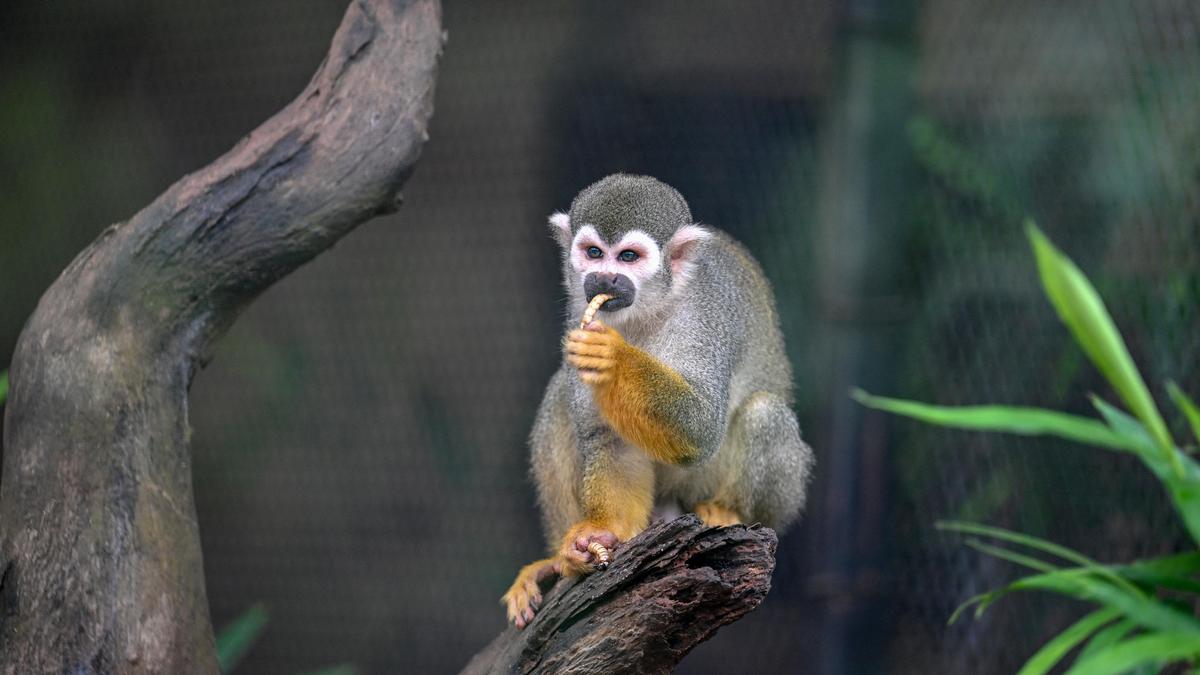
On the morning of his birthday, instead of gifts, chocolates, and cakes, Sohan Gowtham Yenneti had something else in mind. A frequent visitor to Visakhapatnam’s Indira Gandhi Zoological Park (IGZP), he wanted his special day to include the animal he always stopped to admire. He ‘adopted’ a red-necked wallaby under the zoo’s animal adoption programme, adding his name to a steadily expanding list of citizens who are finding uncommon ways to support wildlife conservation.His decision reflects a growing trend at the zoo over the past year. Symbolic animal adoption, once an occasional gesture by wildlife enthusiasts, is drawing increasing participation from families, school children, corporate organisations and individuals who wish to mark birthdays, anniversaries and other milestones with a contribution that extends beyond a single day. A symbolic adoption is a charitable donation rather than physically taking an animal home. A red-necked wallaby spotted with its joey at Indira Gandhi Zoological Park (IGZP) in Visakhapatnam. | Photo Credit: K R Deepak The numbers reflect that change. During the last financial year, IGZP recorded 80 animal adoptions, compared with 50 during the previous year, representing a 60% increase. Families continue to account for the largest share, with 72 family adoptions, while schools, colleges and corporate organisations are also beginning to participate with greater regularity. IGZP curator G Mangamma attributes the rise to a combination of sustained outreach and changing public attitudes towards wildlife. “People are gradually looking for meaningful ways to celebrate important occasions. Instead of spending on parties or gifts, many families are choosing to contribute towards the care of an animal. It gives children an opportunity to understand conservation in a very personal way,” she says.A meaningful keepsakeThe programme allows visitors to adopt an animal for a day, a month or a year by contributing towards its upkeep. The animal continues to remain under the care of the zoo, while the adopter receives an adoption certificate, complimentary entry benefits, a souvenir kit and, depending on the category, recognition at the enclosure. Contributions also qualify for income tax exemption under Section 80G.Those opting for higher-value adoption categories receive complimentary entry to the zoo for multiple visits. These adopters also have their names displayed on a board outside the adopted animal’s enclosure. Additionally, some high-value category adopters enjoy unlimited zoo visits for a specified number of people during the adoption period. While these benefits acknowledge the adopter’s support, zoo officials emphasise that the lasting takeaway is a closer understanding of wildlife conservation.The appeal cuts across age groups. While tigers, lions, elephants, giraffes, rhinos and black panthers continue to attract considerable interest because of their popularity among visitors, several adopters are increasingly choosing reptiles, birds and lesser-known mammals. Macaws, peafowl, swans, crocodiles, snakes and tortoises also find enthusiastic supporters. A pair of meerkats peer curiously from their glass enclosure at the Indira Gandhi Zoological Park in Visakhapatnam. | Photo Credit: K R Deepak Mangamma believes that this widening preference is an encouraging sign. “We are particularly happy when visitors adopt species that usually receive less public attention. Every animal contributes to the ecological balance. When someone chooses a jackal, wild dog, crocodile or owl, it shows a deeper appreciation of biodiversity,” she says. Children coming out of the Reptile House at Indira Gandhi Zoological Park recently in Visakhapatnam. | Photo Credit: KR Deepak Many of the programme’s most memorable stories involve children. Parents increasingly report that the idea originates mostly with young visitors who form an attachment to a particular animal during repeated zoo visits. Some families now request relatives to contribute towards a ‘symbolic’ adoption instead of purchasing birthday presents. An Alexandrine parakeet being attended by the zoo doctor in Indira Gandhi Zoological Park in Visakhapatnam. | Photo Credit: KR Deepak “Children are often the strongest ambassadors for wildlife. We have seen them persuade parents to adopt their favourite animals. That emotional bond stays with them and encourages lasting concern for conservation,” Mangamma observes.The educational value extends beyond symbolic adoption. During adoption events, zoo officials and keepers explain the adopted animal’s behaviour, diet, conservation status and daily care. Visitors leave with a better understanding of the responsibilities involved in maintaining healthy captive populations and protecting endangered species in the wild.The programme has also found an unlikely champion within the zoo itself. Senior veterinarian Dr P Bhanu Babu has adopted the sarus crane, one of the world’s tallest flying birds and a species facing mounting pressures across its natural range.A model gaining groundIGZP is hardly alone in using public participation to strengthen conservation. Several Indian zoos have built thriving adoption programmes over the years. The Arignar Anna Zoological Park at Vandalur near Chennai regularly receives support from individuals and corporate organisations adopting large mammals. Mysuru Zoo remains one of the country’s most successful examples, where annual adoptions by industrial houses, philanthropists and families contribute substantially towards animal care. New born black swan chicks at the Indira Gandhi Zoological Park in Visakhapatnam. | Photo Credit: KR Deepak Internationally, institutions such as the Taronga Zoo in Sydney and the San Diego Zoo Wildlife Alliance have expanded the idea beyond local visitors. Their symbolic adoption programmes allow supporters from across the world to contribute towards conservation, research and habitat protection while receiving regular updates about the species they support. Although the scale differs, the underlying objective remains identical: creating a lasting relationship between people and wildlife.Back in Visakhapatnam, IGZP plans to widen the programme through dedicated ‘Celebrate Your Birthday with Wildlife’ campaigns, anniversary and memorial adoption packages, school awareness initiatives and corporate adoption drives under Corporate Social Responsibility (CSR). The zoo also intends to strengthen its digital outreach, recognise repeat adopters and long-term conservation supporters and organise focused campaigns during Wildlife Week, World Environment Day and other occasions to encourage greater public participation in wildlife conservation.(For details, visit the animal adoption section on vizagzoo.in).
Animal adoptions rise at Visakhapatnam zoo as families celebrate birthdays with wildlife
Full Article
Original Source
Read the full article at Thehindu →KhanList aggregates and links to publicly available news content. We do not host full articles from third-party sources. Always verify important information with original sources.