
ECONOMISTS are warning the UK economy is likely to have shrunk in July, piling extra pressure on Andy Burnham to fix the country’s finances. It’s expected official data will reveal UK GDP fell by 0.1% for the month, according to experts at Investec and Pantheon Macroeconomics. Gross domestic product (GDP) is one of the main indicators of how well the economy is performing. It measures the economic output of companies, individuals and governments. Sign up for the Money newsletter Thank you! Official GDP data for July will be revealed by the Office for National Statistics (ONS) next Friday. If the economists are correct, this would represent a downbeat start to the leadership of Mr Burnham, who was appointed prime minister that month. In June, the UK economy grew 0.3% as hospitality and leisure firms received a boost from football fever and the prolonged hot weather. It meant the economy expanded by 0.4% during the second quarter of the year. However, economists have predicted there is now likely to be a correction due to stronger-than-expected June spending. They say this may have brought forward spending from July. Most read in Money The experts also blamed weak retail sales and increased energy costs for households. Investec analysts said: “After a positive first half of the year, where the UK economy actually outperformed the rest of the G7, growing by 1%, we expect the third quarter will begin with a weaker performance. “Some evidence of this has already been seen in soft retail sales for the month, whilst we expect the rise in household utility bills due to the 13% uplift to the energy price cap would have had a dampening effect.” Robert Wood from Pantheon Macroeconomics also said he expects a 0.1% decline for July. While retail sales were lower, other businesses would have received a World Cup boost. Thomas Pugh, chief economist at RSM UK, said: “England‘s World Cup run should have delivered a strong month for pubs, restaurants and hotels, but a 0.5% fall in retail sales suggests households changed where they spent, rather than opening their wallets wider, spending more money over the bar, but less at the tills.” What this means for your money Prime Minister Andy Burnham may need to deal with slowing economic growth Credit: PA If the predictions are correct, it will cause a headache for the Prime Minister. One of the Labour Government’s main aims has been to stimulate growth in the economy. It has said the best way to put more money in people’s pockets and combat the cost of living crisis is to grow the economy. But this has been complicated by rising inflation cause by the war in Iran, while businesses have also blamed increased taxes. If economic growth is sluggish while inflation remains high, the country can be at risk of “stagflation”. That’s when there is slow economic growth, high unemployment and rapidly rising prices all at the same time. When GDP is rising steadily, it’s a sign of a healthy economy because it usually means people are spending more. When GDP is falling, it means the economy is shrinking – which can be bad news for businesses and also trickle down to workers through lower pay and job cuts. It’s also worth knowing that the Bank of England uses GDP and inflation as key factors when setting interest rates. If GDP is low, the Bank usually cuts its base rate in order to encourage people to spend and invest money. But if it is higher then it may keep its base rate higher for longer in order to keep inflation under control. Comment now
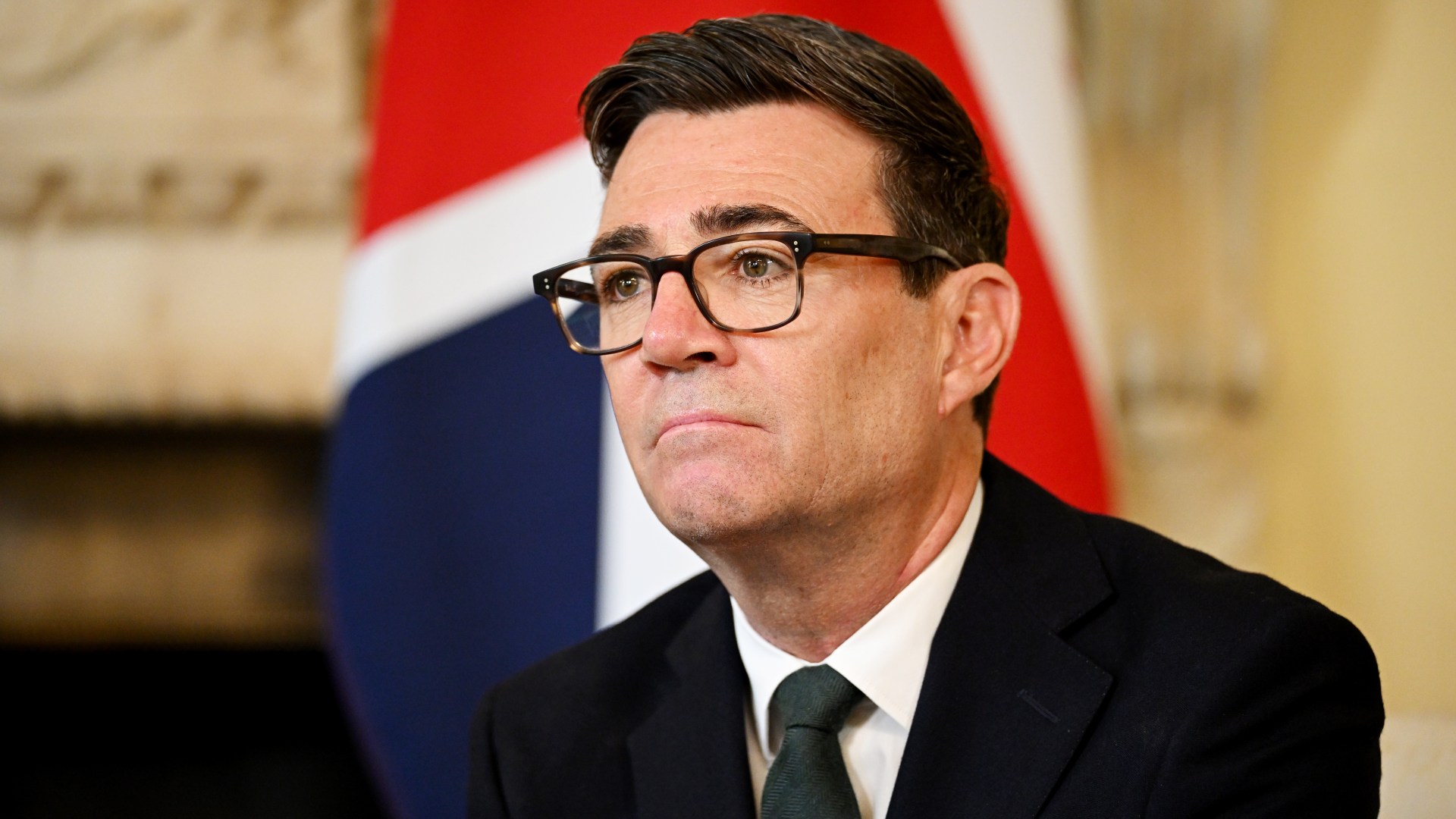
Andy Burnham under pressure as economists predict UK economy SHRUNK in July
Full Article
Original Source
Read the full article at Thesun →KhanList aggregates and links to publicly available news content. We do not host full articles from third-party sources. Always verify important information with original sources.