
Behind the smiles and handshakes as the Commonwealth leaders met in Antigua lies a worsening crisis that is eating away at the hopes of a better life for people in many Commonwealth countries. The same could be said for a number of the countries the UK will be speaking to at the Cop31 climate conference in Turkey. It’s a crisis that’s denying children access to schooling, and robbing people of proper healthcare. The UK, with our position at the centre of the international financial system, holds the key to solving it. The crisis is that of unmanageable levels of sovereign debt. Debt Justice’s research shows that nine Commonwealth countries are forced to spend more on interest payments than they do on their health or education services. A further six spend more on debt than they do on healthcare. It is a scandal that shames us all.Wars in the Middle East and Ukraine have led to soaring interest rates. This has affected us in the UK, but the situation is even worse for low-income countries. The cost of servicing debt is leaving people without access to healthcare and vital medicines. It’s denying children their education.Zambia is a country that’s faced the worst of the debt crisis. Schools have seen dramatic cuts as a result – 32 per cent less is now spent on education than was in 2015.Tackling the debt crisis would be transformational. As Debt Justice has shown, reducing debt payments to 10 per cent of government revenue for the 21 Commonwealth countries in crisis could mean that 9.8 million children could stay in school. The extra money for healthcare could mean that 115,000 babies' lives could be saved. Up to 13,000 mums’ lives could be saved if they had proper medical care.But this won’t happen unless we can make debt restructuring a reality. In the past, other countries were the primary lenders to low income countries. Today, the private sector represents the biggest group of lenders. And in 90 per cent of cases, these debts are governed by English law, because of the role of the City of London.As the high commissioner of Zambia has said, this gives the UK "extraordinary power to set fair standards in restructuring these debts."Prime Minister Andy Burnham has said that he’ll launch a new drive on debt. I welcome this. He needs to look at our domestic legislation and reform how low- and middle-income countries in debt distress are treated by private lenders. English law allows countries to be sued for their entire debt plus interest. In 2025, South Sudan was sued in an English court over $657 million in loans. It was forced to pay out the equivalent of 47 per cent of its government revenue, that is while more than seven million people faced acute food insecurity. This provision means that private creditors can slow down, or refuse to engage in, debt restructuring. They can force harsh deals, like with Ethiopia, who ended up having to pay 17 per cent more in interest to their private creditors than country creditors, lest they potentially be sued in our courts.If interest is meant to be payment for taking risk with your money, there’s no risk here. We guarantee creditors will get their money, so why the ruinous interest?We need to change the law to limit the amount that creditors can claim to the amount they’d get through the debt restructuring process. This is a process that country lenders go through when a borrower country is in debt distress and unable to keep up payments. At the moment, country lenders are reluctant to engage in debt restructuring processes because they fear their taxpayers will end up subsidising the profits of banks and others.A debt justice law would mean that all creditors were treated on the same basis. It would stop the vulture funds, organisations that buy up risky debt and then force through ruinous repayment agreements, with the threat of suing if a country doesn’t comply. Borrowing isn’t inherently bad – countries need to invest in their infrastructure to develop their economies. The problem is the unfair system, which has spiralled out of control.I’m hopeful that the prime minister’s announcement is the start of real progress on debt. It’s within our reach to create a system that supports low- and lower-middle income countries to build resilient economies and to provide strong public services. Only a just financial system can make this happen. Let the UK bring in a debt justice law and end this crisis now.Bambos Charalambous is the Labour MP for Southgate and Wood GreenThis article has been produced as part of The Independent’s Rethinking Global Aid project
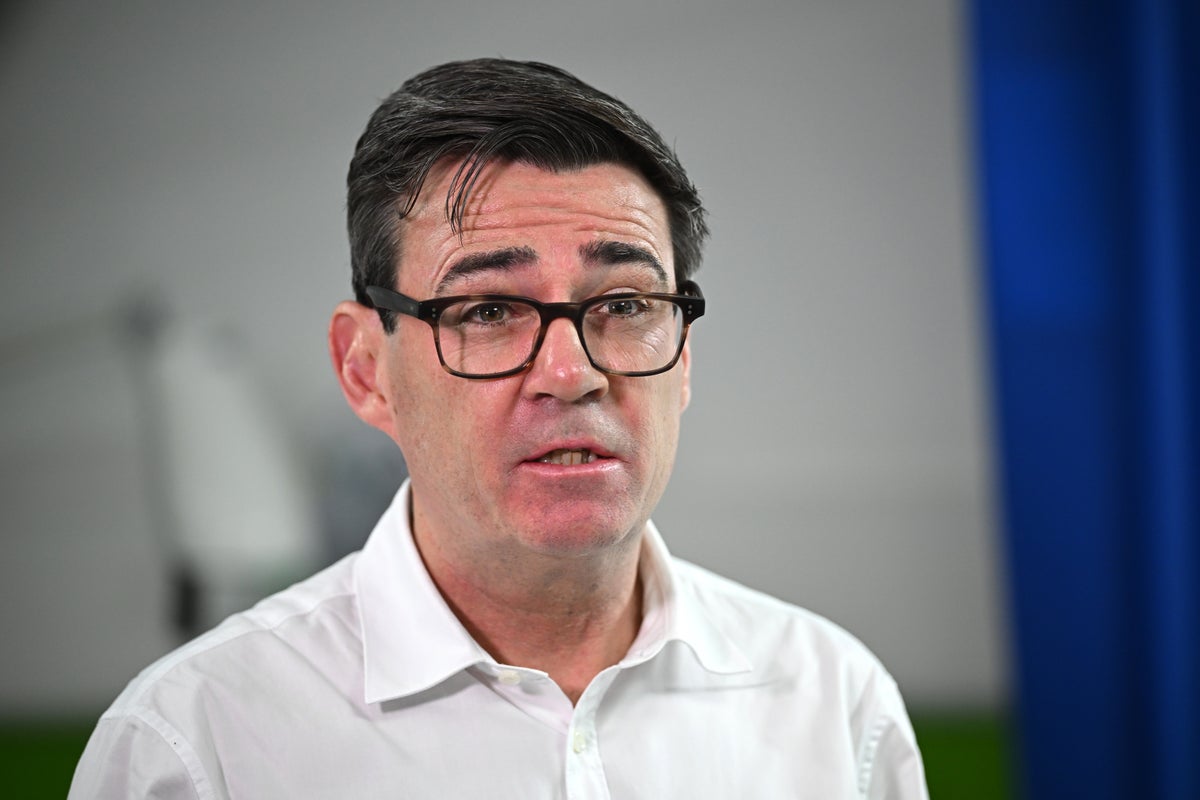
Andy Burnham should spearhead a debt justice law and end this shameful global crisis now
Full Article
Original Source
Read the full article at Independent →KhanList aggregates and links to publicly available news content. We do not host full articles from third-party sources. Always verify important information with original sources.