
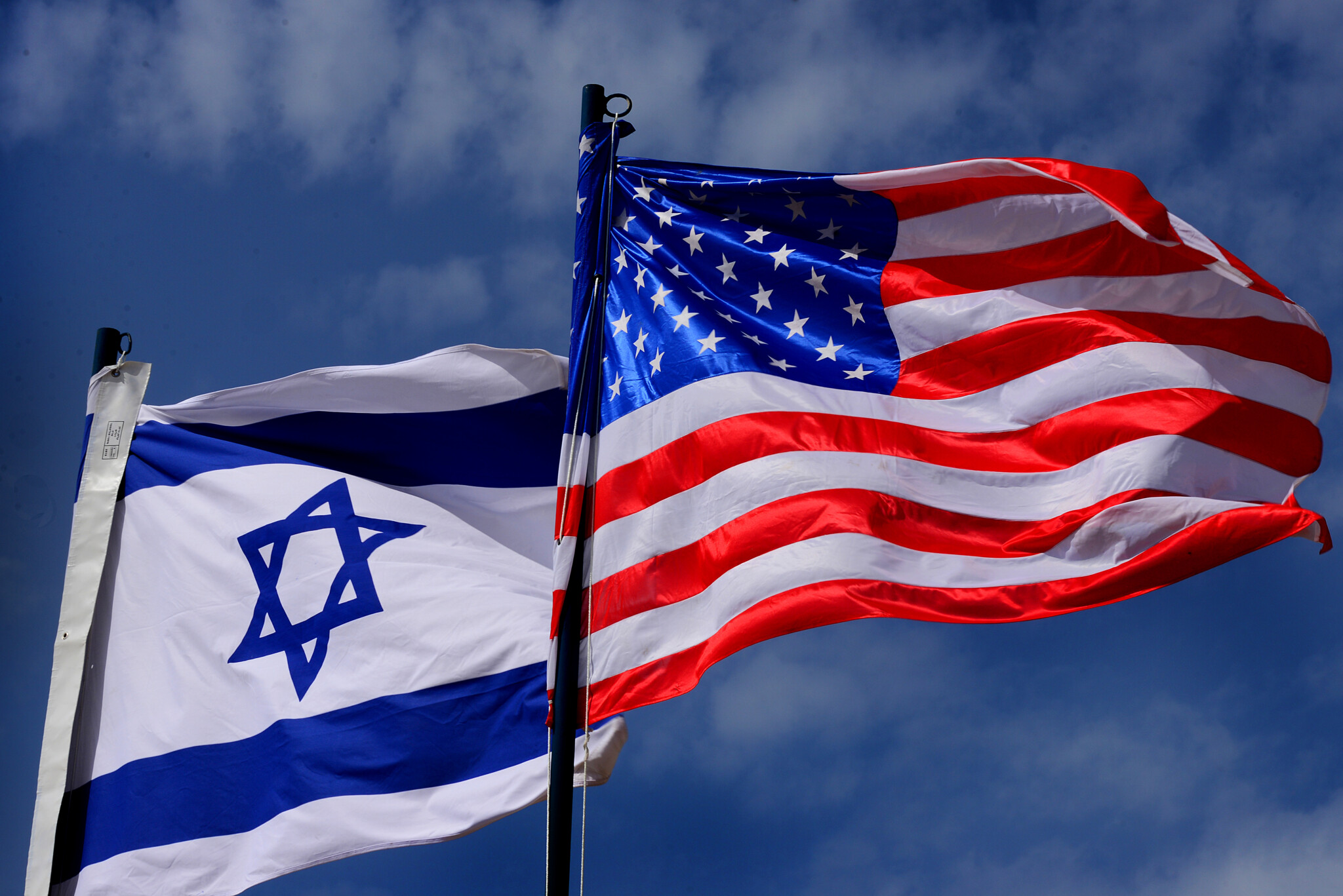
President Donald Trump has promised to end U.S. military aid to Israel by year’s end, even as the two allies deliberate on whether to resume attacks on Iran. On November 3, the president asked why Republicans should “suffer the slings” from critics of Israel when Jerusalem “no longer need[s]” the money it receives from America. Trump then said aid would be cut off by the end of 2026. Prime Minister Benjamin Netanyahu articulated a version of this idea in January, stating, “I want to taper off the military aid within the next 10 years.” This was a reference to the current U.S.-Israel memorandum of understanding (MOU) that provides Israel military assistance. Gradually phasing out aid became the premise for negotiating a new agreement in June. Ending U.S. military assistance before Israel can recalibrate would leave Israel’s military vulnerable, hurting Washington as well. Israel has supported U.S. interests across the region. Ensuring Israel remains as capable as possible is in America’s best interest. Washington must not abandon the current MOU and should prioritize continued U.S.-Israel cooperation securing shared interests. If both countries determine that Israel can still capably support U.S. interests without aid, reductions should be made through a slow drawdown, paired with an increase in joint R&D. Aid Sustains Production Lines That Supply Both Countries The current MOU committed $38 billion for fiscal years (FYs) 2019-2028, including $500 million annually for joint missile and rocket defense programs. Of that annual $3.8 billion, $3.3 billion consists of Foreign Military Financing (FMF), the majority of which goes to American defense procurements, supporting the U.S. economy. This is not simply a cash transfer. It increases surge capacity and helps sustain production lines that supply both countries. And the MOU’s predictability allows Israel to plan expensive, multiyear acquisitions. The other $500 million goes towards joint missile and rocket defense programs, which are already bearing fruit. These programs include cooperation on Israel’s Iron Dome system, which is now being made in America. In October, a Raytheon-Rafael venture delivered its first Tamir interceptors manufactured at a new Arkansas facility and will soon produce American SkyHunter interceptors. That can be a blueprint: cooperative innovation and production and increased surge capacity for both militaries, while supporting American jobs and U.S. warfighters. Aid-Financed Warplanes Were Critical to Joint Operations Against Iran FMF-financed F-35s strengthen Israel’s ability to counter shared regional threats. The Israeli Air Force degraded Iranian air defenses before American B-2s struck Iran’s nuclear program, reducing the burden on the United States and potentially saving American lives. That would have been impossible without American-made aircraft such as the F-35 and F-15 that FMF helped Israel to purchase. For Israel, Trump’s end-of-year timing is especially dangerous. Israel is already planning to spend more than $20 billion in FMF over the 10-year period starting in FY 2029. Removing anticipated support could complicate Israeli procurement and defer essential capabilities or divert funds from other defense needs, threatening future readiness. Israel already spent over 7 percent of GDP on defense in 2025 — more than any NATO country — which it may not be able to maintain over the long term. The Next MOU Should Maximize Joint Development and Include FMF Until No Longer Necessary The administration should work with Congress to carry out the remainder of the current MOU, with the goal of finalizing a 10-year minimum agreement before FY 2029, when it would be implemented. This agreement should only reduce FMF in measured annual increments when the security situation allows for it. Reductions should be tied to threat levels, shared interests, replacement funding, and Israel’s ability to support U.S. policy in the Middle East. At the same time, the next MOU should expand cooperative programs beyond missiles to include new areas like counter-drone systems and directed-energy defenses. The existing $500 million annual U.S. contribution to missile defense, alongside matching Israeli fiscal and research contributions, provides a working model. Joint programs should meet two conditions: Israelis must bring distinct innovation or combat-tested expertise, and both militaries must have a use for the resulting capability. Each program should specify shared financial contributions, American production targets, technology access, and annual performance reviews. Justin Leopold-Cohen is a senior research analyst at the Center on Military and Political Power (CMPP) at the Foundation for Defense of Democracies (FDD). Samuel Ben-Ur is a research analyst at FDD. For more analysis from the authors and FDD, please subscribe HERE. Follow FDD on X @FDD and @FDD_CMPP. Follow Justin on X @jleopoldcohen and Samuel @realSamuelBenUr. FDD is a Washington, DC-based, nonpartisan research institute focusing on national security and foreign policy.
An Abrupt End to U.S. Military Financing to Israel Would Hurt Both Allies
Full Article
Original Source
Read the full article at Fdd →KhanList aggregates and links to publicly available news content. We do not host full articles from third-party sources. Always verify important information with original sources.