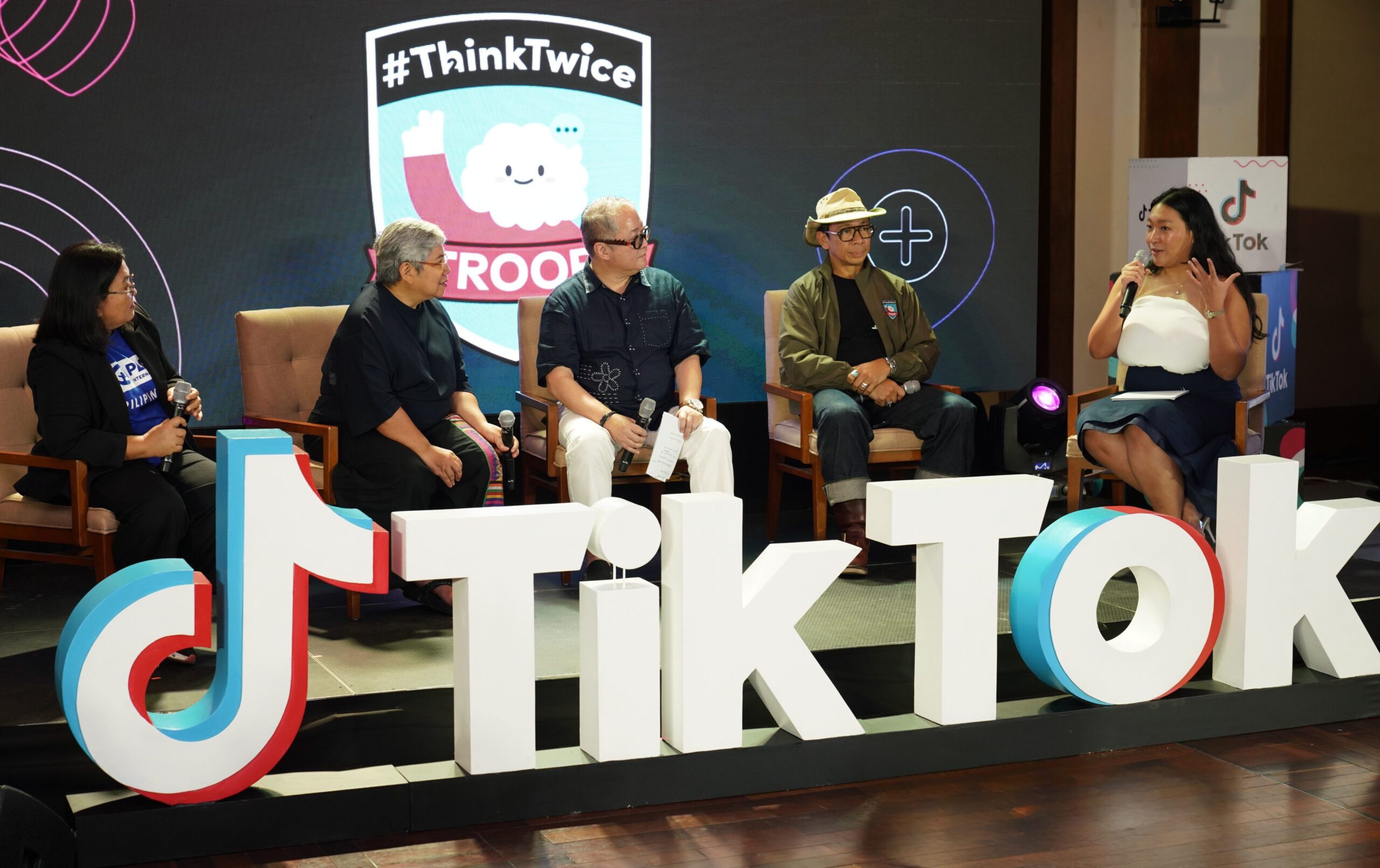
TIKTOK PANEL. From left: Sheila Estabillo, Program Manager, Plan International Pilipinas; Amihan Abueva, Regional Executive Director, Child Rights Coalition Asia; Dr. Francis Dimalanta, developmental and behavioral pediatrician, and Kuya Kim Atienza, veteran television host, educator, and parent creator; Bea Bautista, Communications Lead for the Philippines, Thailand, and Malaysia at TikTok TikTok The digital guide's Philippine release comes amid a US appeals court's ruling allowing thousands of lawsuits to move forward against Meta Platforms, Alphabet’s Google, ByteDance’s TikTok, and Snap Inc’s Snapchat over claims they designed their products to be addictive to young users MANILA, Philippines – TikTok launched its #ThinkTwice Family Guide in the country on Tuesday, August 11, as part of an initiative meant to foster better communication between parents and their kids and teens and further the digital literacy of both parents and teens The guide, launched during TikTok’s #ThinkTwice Troop Townhall meeting, features numerous conversation starters, reflection activities, digital safety tips, as well as information on tools and safety features for TikTok users to support healthier online habits. The aim is to give Filipino families, from the parents to the children, the information they need to navigate the digital world kids and teens are entrenched in now. The guide was created in partnership with Child Rights Coalition-Asia, the Child Rights Network, and Plan International Pilipinas. Users can access the guide via TikTok’s app by searching for Think Twice on TikTok. This will lead them to a digital check-in hub where they can download the guide. The guide is meant to complement the social media platform’s preset safety and privacy features for teen users alongside its longstanding Family Pairing feature. FAMILY GUIDE. From left: Yves Gonzalez, Public Policy head for the Philippines, TikTok; Amihan Abueva, regional executive director, Child Rights Coalition Asia; Sheila Estabillo, program manager, Plan International Pilipinas. Digital life ‘no longer separate from everyday life’ “For many families today, digital life is no longer separate from everyday life. It’s where young people learn, socialize, create, and discover who they are,” Yves Gonzalez, Public Policy head for the Philippines at TikTok, said. “That’s why building healthier digital habits requires more than rules alone. It requires open conversations, mutual understanding, and practical tools that families can explore together,” Gonzalez added. Meanwhile, Undersecretary Angelo Tapales of the Council for the Welfare of Children mentioned that parenting in the digital age does not mean policing the technology or platforms kids use, but rather, “building trust, maintaining open communication, and creating an environment where teens feel safe to ask questions, seek guidance, and report concerns.” TIKTOK TOWNHALL. Yves Gonzalez, Public Policy head for the Philippines at TikTok; Sheila Estabillo of Plan International Pilipinas; Amihan Abueva of Child Rights Coalition Asia; developmental and behavioral pediatrician Dr. Francis Dimalanta, veteran television host Kuya Kim Atienza; and Bea Bautista, communications lead for the Philippines, Thailand, and Malaysia at TikTok. Addictive features, exploitative algorithms The release of the family-focused digital guide in the Philippines comes amid a US appeals court’s ruling allowing thousands of lawsuits to move forward against Meta Platforms, Alphabet’s Google, ByteDance’s TikTok, and Snap Inc’s Snapchat over claims they designed their products to be addictive to young users. These lawsuits, filed by US states, municipalities, school districts, and individuals, allege social media companies intentionally addicted young users. This addiction, they say, contributed to a rise in depression, anxiety, and body-image issues — alongside a burgeoning mental health crisis — among US youth. While the US ruling doesn’t directly impact the Philippines, it does beg the question: Why are social media companies like TikTok putting the onus of responsibly using social media on parents and individual users, rather than curbing the addictive features and algorithmic amplification of engagement-producing content themselves? – Rappler.com How does this make you feel? Loading
Amid US addiction suits, TikTok launches digital guide to build safer online habits in PH
Full Article
Original Source
Read the full article at Rappler →KhanList aggregates and links to publicly available news content. We do not host full articles from third-party sources. Always verify important information with original sources.