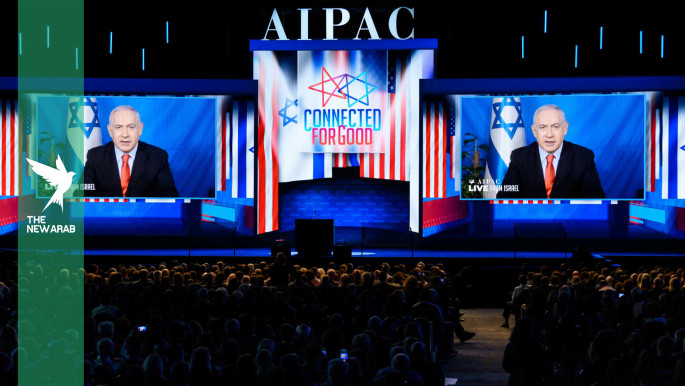
AIPAC has long been an important player in US elections, but its popularity is rapidly declining. [Getty]The American Israel Public Affairs Committee long played a prominent role in US elections, including in the 2026 midterms. However, what's different this time is widespread rejection of AIPAC across the Democratic Party, including by a growing contingency of moderates, largely forcing the lobby group underground in its support for candidates. In the 2022 midterms, around 98 percent of AIPAC-endorsed candidates were able to win. In 2026, between 60 and 70 percent of their picks are expected to win. AIPAC's popularity has been gradually declining over the last decade. It saw a major drop in support among Democrats following its endorsements of dozens of Republicans who refused to certify the 2020 presidential election in which Joe Biden won. It saw a further drop in support after the 2022 midterms, in which it campaigned against popular candidates, including Andy Levin, helping end the career of a longtime pro-Israel Jewish congressman who had criticised Israel’s human rights record. Through their PACs, they spent around $4.5 million supporting his opponent, Haley Stevens. In 2024, a small group of progressive candidates started a "reject AIPAC" movement that eventually caught on for the 2026 midterms, bringing moderate Democrats into the fold. New PACs and tactics With a critical mass of Democratic candidates now rejecting AIPAC, the group resorted to creating shell PACs with no mention of Israel. Their TV ads focus on domestic issues, masking their primary mission of promoting US-Israel relations. AIPAC has also set up portals to guide donors to campaigns without sharing its name, thereby obscuring itself from official data. "This suggests AIPAC’s weakening power. They've gone underground and they're creating generic PACs," David Frank, a professor of political rhetoric and communication at the University of Oregon, told The New Arab. Similar tactics have been used by lobbyists of unpopular industries, such as oil, tobacco and crypto currency. Key Democratic 2026 primaries with AIPAC involvement Among the most high-profile 2026 races with AIPAC involvement have been the Illinois and Michigan primaries. A May investigation by the Detroit News estimated that AIPAC (or at least their donors) had given millions of dollars to moderate Haley Stevens of Michigan in her 2026 US Senate bid against progressive candidate Abdul El-Sayed in the 2026 Democratic primary, set to take place in August. In total, AIPAC is estimated to have spent $30 million to support Stevens in the race, leading to her campaign outspending El-Sayed by twelve times. In the Illinois Democratic primary in March, AIPAC supported Laura Fine, with the help of a pop-up PAC called Elect Chicago Women, created by AIPAC specifically for that election. During the primary, the frontrunner Daniel Biss, a self-described progressive Zionist, who reportedly had previously sought the Israel lobby group’s support, ran TV ads against AIPAC, and in the end won the race. In the same primary, campaigned against Palestinian American social media influencer Kat Abughazaleh, one of the more progressive candidates, framing her as "anti-Israel". What can be expected from AIPAC for future elections? Though AIPAC remains a powerful force in US elections, its popularity is clearly declining. Senator Bernie Sanders of Vermont, the leader of the progressive movement, has seen nearly all of his endorsees win their 2026 Democratic primaries. Similarly, New York Mayor Zohran Mamdani, another outspoken critic of AIPAC, saw a clean sweep of wins in his endorsements for the New York primaries in June. This included Brad Lander, who ran for a New York City House seat against incumbent Dan Goldman, who was endorsed by AIPAC. "I think this trend will carry through. I think people are fed up. The best ally excuse is gone. Voters have become more educated and aware. Putting our national security at risk," Mirvette Judeh, president of the Arab American Caucus of California, told The New Arab. "They're desperate. They're dying, and they're trying to stay relevant," she said.
Amid declining popularity, AIPAC forced underground in midterms
Full Article
Original Source
Read the full article at Newarab →KhanList aggregates and links to publicly available news content. We do not host full articles from third-party sources. Always verify important information with original sources.