
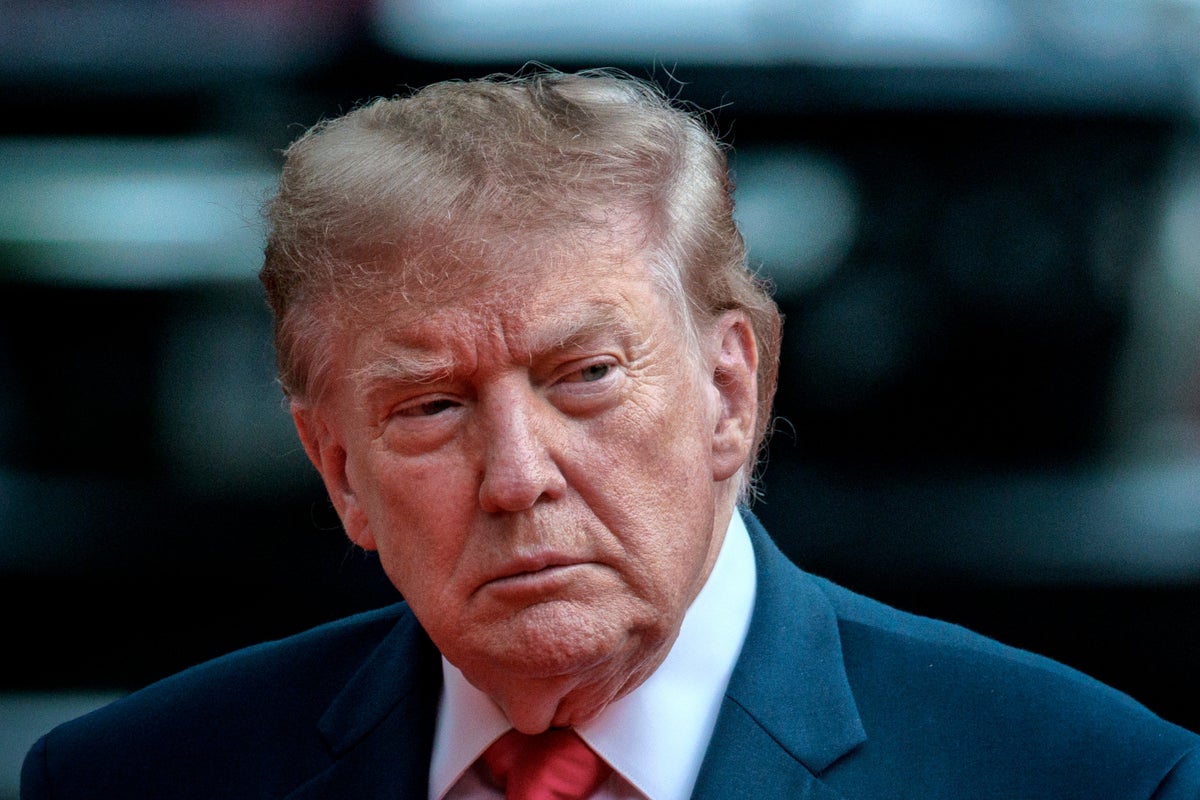
Democrats are set to retake control of both the House and Senate in January, ushering in an era of divided government.Still, many voters would place the blame squarely on President Donald Trump if gas prices rise in the coming months, according to a new poll.In the latest Politico survey, a plurality of Americans - 38 percent - said they would hold the president responsible if gas prices increase over the next six months. By contrast, 20 percent would blame the Democratic-controlled Congress, and 24 percent would blame both.The reverse is also true. If pain at the pump eases, 38 percent would credit the Democratic-controlled Congress, while 20 percent would credit Trump.Unsurprisingly, the partisan divide was stark. Democrats were more likely to credit Congress for price drops and blame Trump for increases, while Republicans showed the opposite pattern.If gas prices rise in the next six months, many voters would place the blame squarely on President Donald Trump, not Congress, according to a new poll (Getty)Gas prices surged after the Iran war broke out in February, driven largely by closures in the Strait of Hormuz, a vital oil shipping route.On Wednesday, the national average for a gallon of gasoline stood at $3.58, compared with $2.98 two days before the conflict began, according to AAA.Fuel costs, and the cost of living more broadly, were a major concern for voters in the midterm elections, where Democrats romped to victory in a string of red states. Democrats are currently poised to hold 56 Senate seats to Republicans' 44, and 259 House seats to the GOP's 173.The average price of gasoline has already fallen by about 70 cents per gallon over the past month. Still, industry experts have cautioned that it could take time for prices to ease significantly, even if the Iran war were to end immediately.If traders were convinced the conflict was definitely over, crude oil prices could plunge by as much as $20 a barrel “in the next two, three days from the announcement,” Jaime Brito, executive director of refining and oil markets for Dow Jones Energy, told NPR earlier this month.But relief at the pump would take longer. Ships diverted to alternative routes would have to return to their usual journeys through the Strait of Hormuz, potentially creating backlogs. The oil would then need to be refined and the fuel delivered to market.Jorge León, head of geopolitical analysis at Rystad Energy, told NPR that crude prices could take about six months to return to prewar levels, with gasoline and diesel following another month or two later — assuming the recovery goes smoothly.
Americans still plan to hold Trump responsible if gas prices go up in the next six months, poll finds
Full Article
Original Source
Read the full article at Independent →KhanList aggregates and links to publicly available news content. We do not host full articles from third-party sources. Always verify important information with original sources.