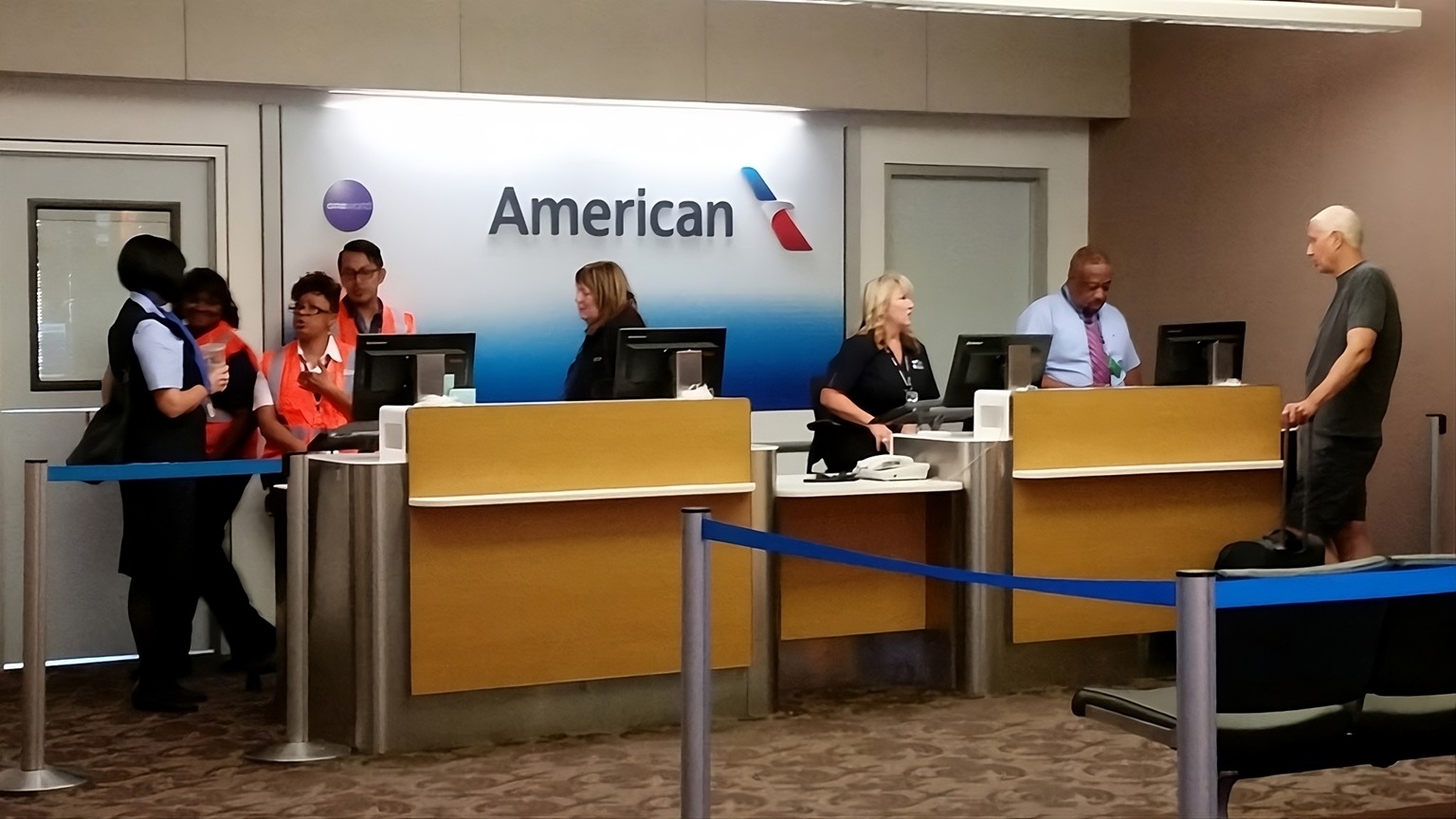
Air travel can be expensive and confusing. There are a huge number of rules that occasional flyers won’t be familiar with. Airlines are right to enforce them, but when they come as a surprise they’re frustrating to passengers. One mom got caught out at the airport, traveling with her child – it appears to be that the child was less than two years old when the family left home, but was likely more than two when they flew home. The family was away on their birthday – and that means they needed their own seat for the return trip. They hadn’t bought a ticket for the child. Fortunately there was still a seat available, but it cost $793 as a walk up. What our family experienced while trying to get home was one of the most humiliating and emotionally traumatic travel experiences we’ve ever endured.I’m sharing our story not out of anger, but because no family should ever have to experience what we did.@AmericanAir #viral pic.twitter.com/PYrTLn5DTU — Lena Anthony (@_LenaAnthony) July 21, 2026 There are two possibilities: The child was under two for the outbound and turned two before the return. That’s my read here. The child was required to fly in their own seat. I suppose there’s an outside chance that the child was already two for the outbound and American mistakenly let them travel as a lap infant. If that happened, it doesn’t create grandfather rights to violate regulations on the return. Either way, American couldn’t legally allow the child to remain on a parent’s lap for their Philadelphia – Los Angeles flight. 14 C.F.R. §121.311 requires: An approved seat and separate safety belt for every person who “has reached his second birthday.” A child may be held by an adult only if the child “has not reached his or her second birthday.” If the child were under two, they could sit on a parent’s lap. Two or older, they need their own seat. If it’s an overnight flight departing the day before they turn two, and arriving on their birthday, it’s the scheduled departure date that controls and the child is treated as under two for the duratoin of the flight. But a connection that departs on their birthday would require a seat for the second flight! This is the common worldwide rule. Europe’s EASA requires a seat for everyone aged 24 months or older. Australia also defines an infant as someone who has not turned two. Now, there are many airlines that make special accommodations for families whose children turn two during a trip. For instance, on British Airways charges only the lap infant fare for the return journey while giving the fresh two year old their own seat. Virgin Atlantic and Singapore Airlines do the same. Oddly, TUI fly Belgium says that on package holidays, outbound age controls and a child who turns two can remain on the adult’s lap for their return trip. That is exceptionally unusual and I can’t quite reconcile it EASA regulations for two year olds to travel in their own seat. It is the age for the outward flight that is the determining factor. If your child is one year old on the outbound flight and two years old on the inbound flight, your child will travel on your lap on the outbound and inbound flights. (For package tours; flight+hotel) I do wonder whether American Airlines should have caught the issue ‘months earlier’ as the mom suggests. If the child was attached as a lap infant to in the same roundtrip reservation on the outbound and return, with the correct date of birth, and they were added prior to check-in then yes. On the other hand, they might have: Bought two one-way tickets, so adding the infant to the outbound wouldn’t raise issues for the return Added the child at the airport, and they were added to the outbound only. There’s no dispute that American was right to require a seat. The only question is why the passenger was taken by surprise at this, having to buy a walk up fare. I think a good customer service approach would be to refund the difference between the $793 they paid and the amount of a ticket they purchased earlier. That treats them as though they purchased a ticket for the child when they bought the rest of their tickets And the plane wasn’t full, so this isn’t preventing American from getting the full $793 from someone else. If they were on a roundtrip, and did make the lap infant booking in advance, then American did this wrong and applied it only to the outbound. That’s when the customer should have been informed. And they still would have had to purchase the ticket. So it seems like this is the right solution even if American is fully at fault. Now, she claims that “nothing changed” between the outbound and return. That doesn’t seem correct. Framing this as “risking my child being left behind” may have been how it felt but (1) no one was proposing that a two year old remain at the airport alone, and (2) surely the parents wouldn’t have abandoned the kid in order to take the flight by themselves like these parents apparently actually did. While this is framed as “management’s decision” the requirement to for the two year old to have their own seat isn’t something that American had any discretion over. And complaining that she had to buy the child “an adult ticket” isn’t meaningful either (there’s no domestic child discount). It’s fair to be unhappy with the seating arrangement. Obviously everyone wants parents to sit with their two year olds! Airlines were pressured to adopt family seating policies during the Biden administration, and American it tries to place children under 15 beside at least one adult, but the automatic process depends on the family being in the same reservation. A new ticket issued at the airport is going to have seats assigned out of the pool of what’s left. There probably simply weren’t seats together, so they had to juggle seating with other passengers. There have been calls to ban lap infants entirely and force infants to fly in their own seats for quite awhile in the name of safety, but that actually would make kids less safe – because who can afford $793 one way? More families would drive, that’s less safe, and there would be more kids in accidents as a result. That’s known as statistical murder. The last time a child without a seat died in turbulence was 1994. That’s 32 years ago. In contrast, “About 150 children younger than 5 drown in bathtubs, buckets, toilets and other containers in and around the home each year.”
American Airlines Passengers Hit With $793 Surprise After Toddler Turns 2 Mid-Trip
Full Article
Original Source
Read the full article at Viewfromthewing →KhanList aggregates and links to publicly available news content. We do not host full articles from third-party sources. Always verify important information with original sources.