
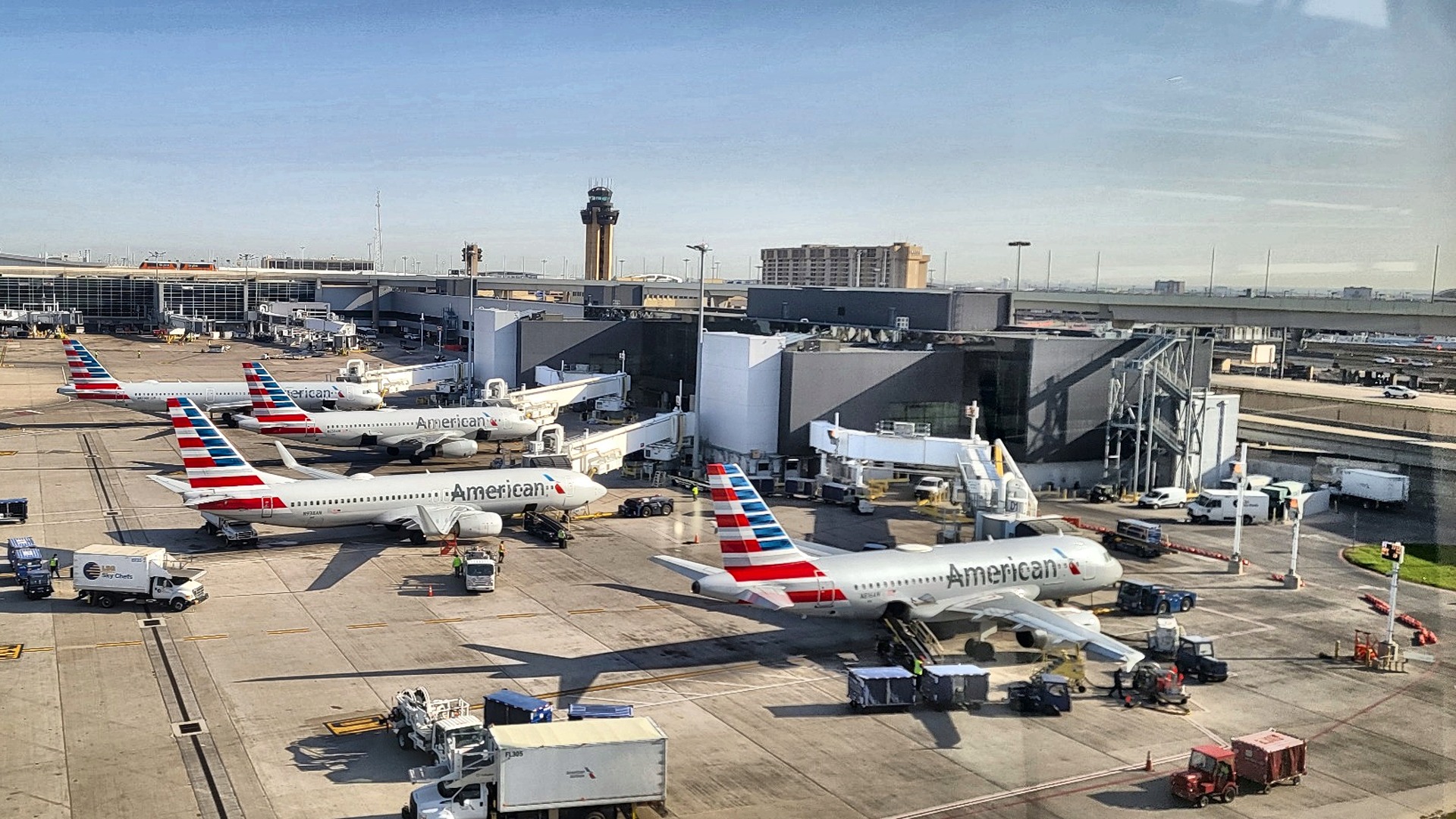
With American Airlines parting ways with their network chief – the man who drove where the airline flew, and which hubs it focused on – it’s another sign that the carrier is reversing its strategies as it works to turn itself around. But it’s easy to lay blame on the Senior Vice President who manages network planning. The real blame lies with the CEO and Board. American had scaled back in places like Los Angeles, Chicago and New York JFK, which meant it was less relevant in the most important spending markets in the country. Its credit card fell from having the most spending among airline cobrands down to number three, and credit cards are the most profitable part of a U.S. airline. They focused on short haul flying, instead of long haul, narrowbodies instead of widebodies. And they shied away from routes where there was competition. That’s a similar gap, although in some ways the reverse of the errors that United made when the same executive ran their network. United had scaled back domestically, running regional jets between New York and Atlanta, thinking that it couldn’t compete so cutting down on trip costs. But fewer seats and a lower-quality product in major markets made the airline less relevant. Scott Kirby came in, made a change at the top of network management, and turned the airline around. At United, though, the fault for mistakes like pulling out of New York JFK doesn’t lie with network planning it was the fault of the CEO. There’s a reason Jeff Smisek was one of the worst airline CEOs in world history. Giving up JFK meant not just giving up card spend it meant losing corporate contracts – in Los Angeles. Similarly, the errors in network planning at American lie at the feet of the CEO and Board, and at American probably even more so. Brian Znotins was probably the right man to run American’s network for the airline American was trying to be. It was the vision, not the planning and execution that was the problem. American didn’t have the planes. They retired Airbus A330s, Boeing 767s, and 757s during the pandemic. They couldn’t fly more long haul because they didn’t have the planes, and they were unwilling to order more. American didn’t have the product. American wasn’t a strong competitor in markets that were competitive. They didn’t give customers a reason to choose them. So it made sense to avoid competitive markets. They couldn’t build back Dallas and Charlotte and also Chicago and Los Angeles. With fewer aircraft they had to make choices about where to deploy the planes. There was a non-crazy argument for doing it in the Sun Belt where there was less competition and less of a strong product to go up against. If American wasn’t going to have the planes to compete where they had opportunities, they weren’t going to order more, and didn’t have the stomach to go against United and Delta across the Atlantic, against United and foreign carriers across the Pacific, and didn’t have the product to go toe-to-toe in Chicago and Los Angeles then you play small ball. You go for lower trip costs. You find airports and opportunities not being exploited by everyone else. That was the strategy that Brian Znotins pursued at American. The problem is that there aren’t enough small ball opportunities to make a difference at an airline the size of American. And the problem is that a high cost airline like American needs to earn a revenue premium. Lowering costs, which had been the focus at the carrier, meant sacrificing a revenue premium. Not having the product, or the flights to be relevant to customers, positioned American as a ‘spill carrier’ in United CEO Scott Kirby’s framing. You fly American when you don’t have a better option, or when they’re cheap enough. American had the wrong fleet, product, and strategy – that’s all downstream of decisions that had been made at the board and C-suite level, not just a failing of network. American is now reversing itself on these decisions (and a widebody aircraft order is expected within weeks). It makes sense that the architect of the network strategy may not be the right person to lead a new strategy with different goals and resources. But I think it’s a mistake to pin American’s problems on him – just as it was misplaced to blame Vasu Raja in 2024 for the Sun Belt strategy and for walking away from corporate revenue. You play the hand the CEO and Board deal you, and they’re the ones signing off on the strategy. If you want to look for blame and accountability it’s always at the top! The good news is that American seems to realize its mistakes, albeit years late. The bad news is that they have over $12 billion in unnecessary debt that the previous CEO saddled them with funding stock buybacks. So they have less room to maneuver if the economy turns or Wall Street loses patience with the turnaround. Topics on this page
American Airlines Became The Airline You Settle For—Don’t Blame Its Departing Network Chief
Full Article
Original Source
Read the full article at Viewfromthewing →KhanList aggregates and links to publicly available news content. We do not host full articles from third-party sources. Always verify important information with original sources.