
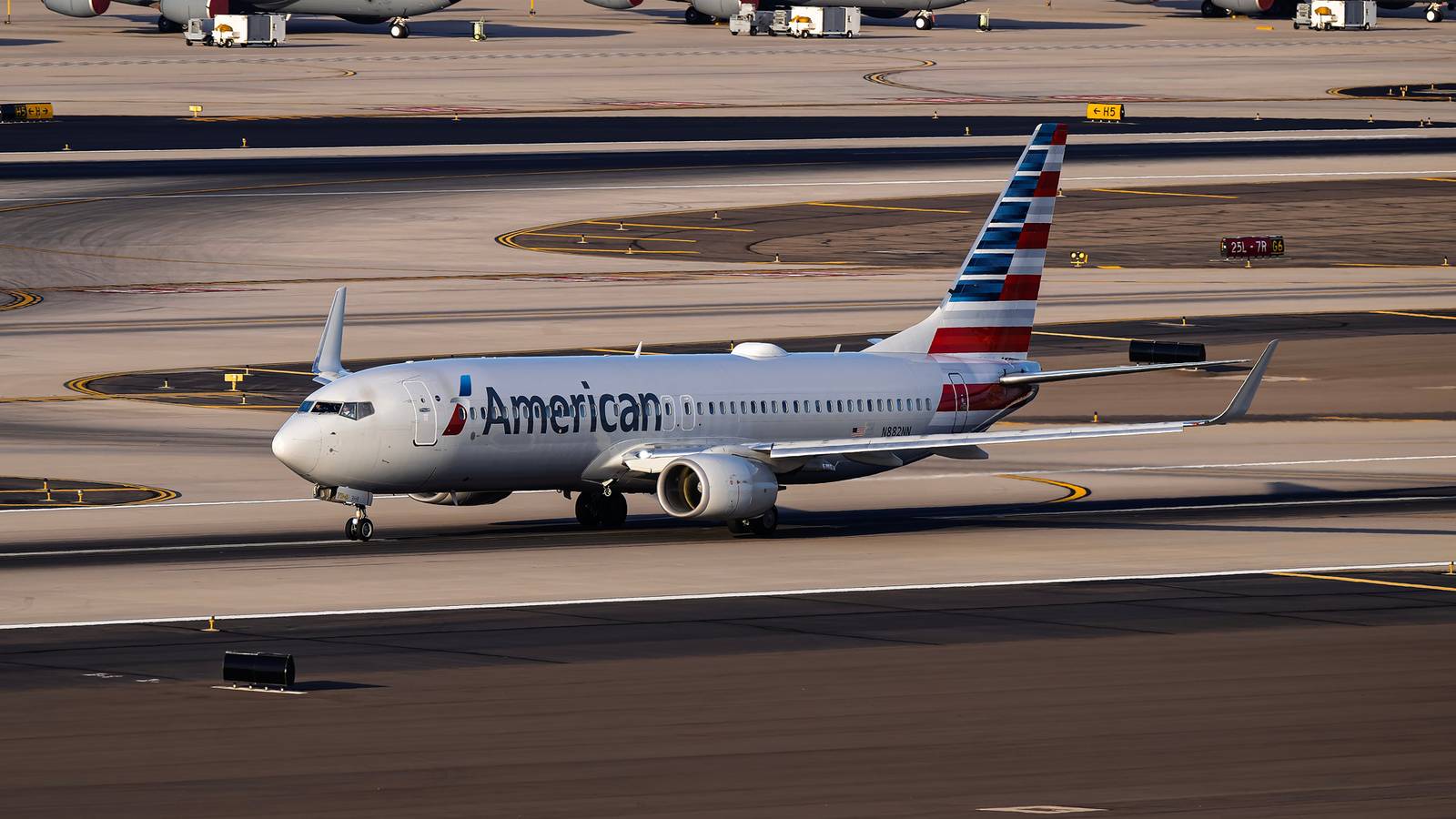
Published Nov 8, 2026, 6:27 PM EST Jack comes to Simple Flying with a lifelong interest in all things aviation. He holds a degree in Aerospace Engineering from Georgia Tech, and is a certified private and remote pilot. Beyond these experiences, Jack previously worked for a corporate flight department where he gained first-hand experience in the world of business aviation. Currently, Jack works in the professional services industry and continues to build his flight hours outside of work. American Airlines has declined to honor a gate agent’s reported promise of $650 to a passenger denied boarding on a flight bound for Cleveland Hopkins International Airport (CLE), saying an aircraft downgrade exempted it from federal involuntary denied-boarding compensation. The passenger initially received a $250 flight credit, but after consumer advocate Christopher Elliott contacted the airline, American added $192, bringing the total to $442. She did not receive the $650 she says was promised. The case illustrates how compensation disputes can depend on why a passenger was denied a seat, not simply whether a flight was oversold. It also comes as American introduces a policy intended to end involuntary bumping, following years in which its network recorded more such cases than any other US airline. A $650 Offer Became A $442 Credit Credit: Robin Guess | Shutterstock Nicholle Acciarri was scheduled to fly from New York to Cleveland when she was denied boarding. She claimed that a gate agent offered a $650 check or reimbursement for a rental car, airline ticket, or hotel. Acciarri rented a car and drove to Cleveland, expecting American to cover the expense. The airline initially provided a $250 flight credit that expired after one year. Customer relations later said she was not entitled to regulated compensation because the aircraft had been changed to a smaller model. One supervisor reportedly found records indicating eligibility for a $353 check or a $442 credit due to weight restrictions, but American subsequently described that entry as an error. After Elliott contacted the airline, American issued an additional $192 credit. The carrier acknowledged that an agent had made an offer at the airport but declined to pay $650, suggesting that amount was likely intended for passengers volunteering to give up their seats. Elliott’s report does not establish whether the gate agent had authority to guarantee the larger payment, leaving the dispute centered on the difference between the airport offer and the airline’s later explanation. Why The Smaller Aircraft Changed The Compensation Rule Credit: Heather Dunbar | Shutterstock Federal rules distinguish between passengers removed from oversold flights and those who cannot be accommodated after an airline substitutes a smaller aircraft for operational or safety reasons. Under 14 CFR § 250.6, passengers are not eligible for involuntary denied-boarding compensation when a lower-capacity aircraft is substituted for those reasons and the change prevents the flight from accommodating everyone with confirmed reservations. That exception appears to underpin American’s response. The relevant issue is whether a smaller aircraft was substituted for operational or safety reasons and whether that change caused the passenger to lose the seat. If the originally scheduled aircraft simply had more confirmed passengers than seats, ordinary denied-boarding rules may apply. For eligible involuntary bumps, compensation depends on the delay before passengers reach their destination on alternate transportation. Current Department of Transportation limits reach 200% of the one-way fare, capped at $1,075, for qualifying delays, and 400%, capped at $2,150, for longer delays. Those amounts do not apply automatically when the smaller-aircraft exception is triggered. The DOT outlines the requirements in its bumping and oversales guidance. American’s New Policy Follows A Troubled Bumping Record Credit: Just Dance | Shutterstock The dispute surfaced weeks after American directed airport employees to stop involuntarily denying boarding, effective September 30, 2026, as reported earlier this year by Simple Flying. Staff were instructed to keep aircraft doors open until enough passengers volunteered to change flights, even if departure had to be delayed. Airport managers can approve higher offers, and volunteers may be confirmed on the next departure even when it initially appears full. The move follows a substantial record of involuntary denied boardings. Department of Transportation figures cited by View from the Wing show American and its regional partners bumped 14,758 passengers in 2025, about 60% of the 24,596 involuntary denied boardings reported across the industry. American recorded more such cases than all other reporting airlines combined, although Frontier had the highest rate relative to passenger volume. The Acciarri case shows why written confirmation matters: a verbal offer can create expectations that are difficult to reconcile with an airline’s interpretation of federal rules after a passenger has made other arrangements. The DOT requires airlines to provide involuntarily bumped passengers with a written explanation of their rights.
American Airlines Backs Out Of $650 Promise To Bumped Passenger, Citing Smaller Plane
Full Article
Original Source
Read the full article at Simpleflying →KhanList aggregates and links to publicly available news content. We do not host full articles from third-party sources. Always verify important information with original sources.