
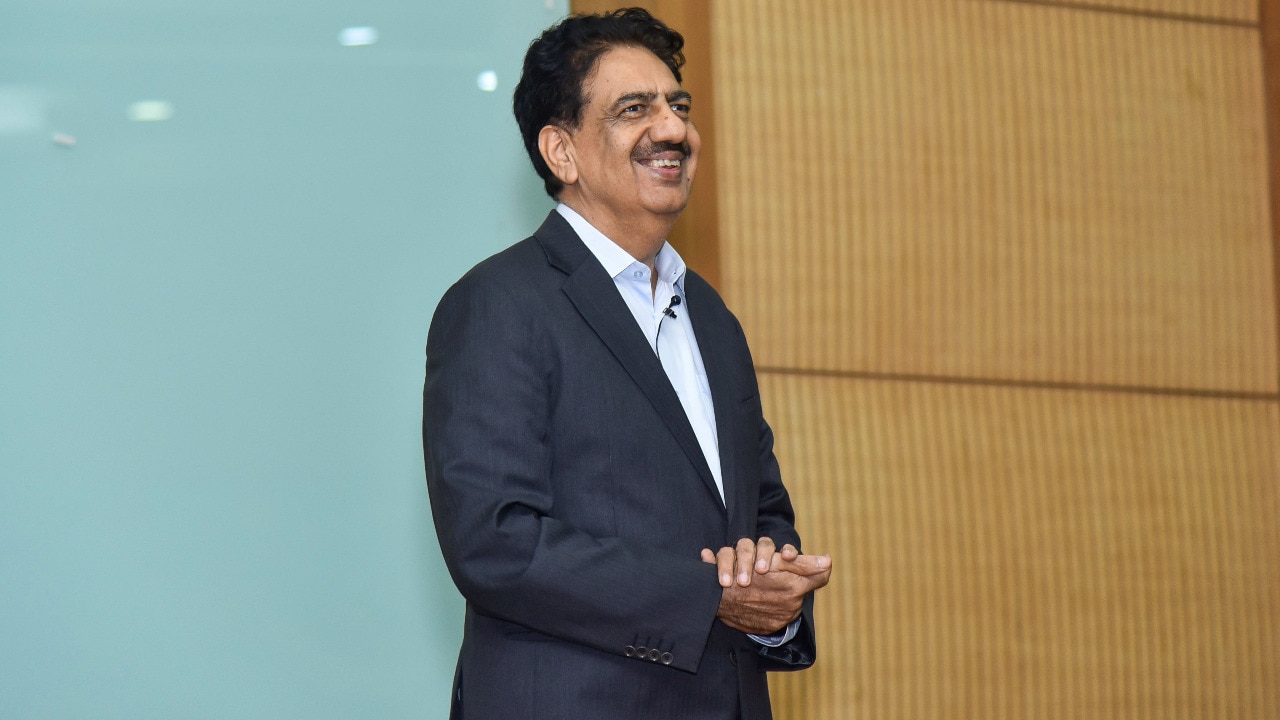
Vineet Nayar said US visa restrictions on Indian tech professionals could shift more American technology work to India. He said the bigger opportunity for Indian IT lies in ownership, AI-led value creation and product development.Former HCL Technologies CEO says India’s IT industry must move beyond cost-driven outsourcing to focus on AI, product engineering and intellectual property (X/@vineetnayar)New Delhi,Oct 9, 2026 11:50 ISTFormer HCL Technologies CEO and founder chairman Vineet Nayar has said that US restrictions on Indian technology professionals could have an unintended consequence of accelerating the movement of American technology work to India.In a post on X, Nayar, who is also the author of Employees First, Customers Second and Humans First, Machines Second, argued that the impact of recent US action restricting the use of the PERM labour certification process by certain large technology companies may be smaller than headlines suggest. He said the long-term implications for India’s IT industry could be far more significant.Citing figures that he shared in his post, Nayar noted that Indian IT companies accounted for fewer than 1,400 of the 117,849 PERM certifications issued last year, representing less than 2 per cent of the total. He suggested that the direct impact on Indian IT firms could therefore be limited.However, Nayar said the broader shift in how technology work is delivered could create new opportunities for India. FROM OUTSOURCING TO OWNERSHIPRecalling the evolution of the Indian IT services industry, Nayar said the sector initially relied on sending Indian engineers to the US to work on client projects. This gradually gave way to the onsite-offshore model, under which a growing share of technology work was delivered from India.He believes the industry could now be approaching another transition, driven by tighter restrictions on talent mobility and advances in technology that allow smaller teams to handle increasingly complex projects remotely. According to Nayar, the next phase of growth should not be limited to traditional coding, maintenance and outsourcing services. Instead, Indian technology companies should focus on architecture, product engineering, cybersecurity, artificial intelligence implementation and industry-specific solutions.He also called for Indian teams to take greater responsibility for product development and business decisions rather than simply executing specifications provided by overseas clients.“Indian teams should not merely receive specifications from New York. They should help decide what gets built,” Nayar said in his post, outlining the need for Indian technology professionals to move towards higher-value work and greater ownership of projects.AI COULD WEAKEN THE LINK BETWEEN IT GROWTH AND JOBSNayar also highlighted a challenge facing India’s technology services industry: artificial intelligence could weaken the traditional relationship between business growth and employment generation.For decades, the expansion of Indian IT companies largely translated into more hiring, as firms added engineers to serve a growing client base. However, as AI tools improve productivity, companies may be able to undertake more sophisticated work without increasing their workforce at the same pace.This, he argued, requires the industry to rethink how it measures success. Rather than focusing primarily on revenue growth and employee numbers, companies should prioritise the value created by each employee, the development of intellectual property and the ability to command higher-value work.Nayar said India must invest in developing architects rather than only programmers, building products and intellectual property domestically, and shifting more global technology decision-making to the country.‘MOVE BEYOND ITS TRADITIONAL COMPETITIVE ADVANTAGE’The central challenge for Indian IT, according to Nayar, is to move beyond its traditional competitive advantage of relatively low-cost talent and build capabilities that allow Indian firms to lead technology development.He argued that the industry’s next phase would depend on its ability to create more value per employee, develop globally competitive products and enable Indian teams to take ownership of complex business and technology problems.His argument comes amid continuing debate over US immigration policy and the future of cross-border technology services. While restrictions on moving workers to the US could create challenges for professionals and companies dependent on onsite assignments, Nayar believes they could also encourage businesses to move more work to India.His message to the industry is clear: the bigger opportunity may not lie in securing more visas for Indian engineers, but in making India a destination where global technology work is conceived, developed and owned.- Ends
America shuts its doors, India could get the tech work: Vineet Nayar
Full Article
Original Source
Read the full article at Indiatoday →KhanList aggregates and links to publicly available news content. We do not host full articles from third-party sources. Always verify important information with original sources.