
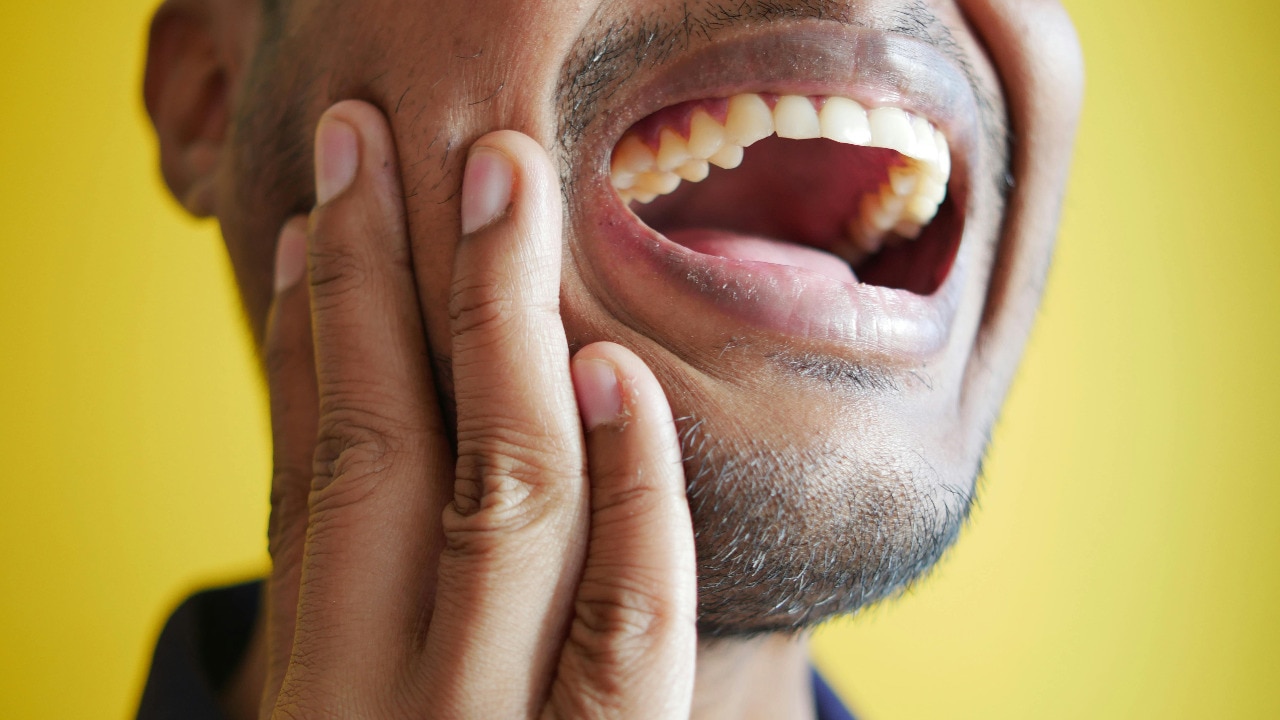
Feeling tired despite getting enough sleep may not always be due to stress or a busy lifestyle. In some cases, the shape and position of the jaw could affect breathing during sleep and contribute to sleep apnea.Small or receding jaw? It could be linked to sleep apnea and fatigue (Representative image) Feeling sleepy after what seems like a full night of sleep is often blamed on stress, long working hours, poor sleep habits or an unhealthy lifestyle. However, another often-overlooked reason may be the structure of the jaw and face.A small or recessed jaw may leave less space for the tongue and other soft tissues inside the mouth. During sleep, the muscles of the upper airway naturally relax. If a facial structure already limits space, the tongue and surrounding tissues may move backwards and narrow the airway. This can make breathing difficult and, in some people, contribute to obstructive sleep apnea.According to Dr Gunasekar Vuppalapati, Senior Consultant in Aesthetics, Plastic Surgery and Reconstructive Surgery at SPARSH Hospital RR Nagar, the structure of the skull and face can be an important factor when assessing airway problems during sleep.Obstructive sleep apnea occurs when the upper airway repeatedly becomes narrow or collapses while a person is asleep. This can interrupt normal breathing several times during the night. While factors such as excess weight, age and lifestyle can increase the risk, facial and jaw structure can also influence the size and shape of the airway. People with a retruded mandible, which means a lower jaw positioned further back, a narrow upper jaw or smaller facial bones may have less room for the tongue. When the muscles relax during sleep, this can contribute to airway narrowing.TIREDNESS MAY BE THE FIRST CLUESleep apnea does not always present with obvious symptoms. Loud snoring, choking or gasping during sleep and witnessed pauses in breathing are some of the more commonly recognised signs. But the condition can also show up through symptoms during the day. A person may wake up feeling tired despite spending seven or eight hours in bed. Morning headaches, difficulty concentrating, irritability and excessive daytime sleepiness can also be signs that sleep has been repeatedly disturbed during the night.These repeated interruptions may prevent a person from getting restorative sleep. As a result, they may continue to feel exhausted throughout the day without understanding why.WHY THE JAW IS OFTEN OVERLOOKEDThe connection between facial structure, jaw position and sleep is still not widely understood. A person experiencing tiredness, headaches or snoring may consult different healthcare professionals without considering whether the structure of their airway could be contributing to the problem.This is why a multidisciplinary approach can be useful. Plastic surgeons, orthodontists, oral and maxillofacial surgeons, ENT specialists and sleep specialists may work together to assess the airway and understand what could be contributing to sleep apnea.A proper evaluation may include examining the jaw structure, bite, tongue position and nasal airway. Depending on the symptoms and clinical assessment, a sleep study may also be recommended to confirm whether a person has sleep apnea and determine its severity.TREATMENT MUST MATCH THE CAUSEThere is no single treatment that works for everyone with sleep apnea. Treatment depends on the severity of the condition, the person's overall health and the factors contributing to airway obstruction.CPAP therapy, lifestyle changes and certain oral appliances may be recommended for suitable patients. In some cases, particularly when a significant jaw abnormality is contributing to airway obstruction, orthodontic treatment or surgery may be considered after a detailed evaluation.The aim of treatment is not simply to stop snoring. The larger goal is to improve airflow during sleep, reduce repeated breathing interruptions and help the person get better quality rest.BETTER SLEEP STARTS WITH BETTER AWARENESSPersistent tiredness should not always be dismissed as the result of being busy or overworked. If fatigue is accompanied by loud snoring, morning headaches, difficulty concentrating, choking during sleep or other sleep-related problems, it may be worth seeking medical advice.Understanding how the jaw and facial structure can influence the airway may provide an important clue when investigating unexplained sleep problems. Early assessment can help identify the underlying cause instead of simply treating daytime fatigue.For people whose sleep apnea is linked to the structure of their jaw or airway, identifying the problem early can help doctors choose the most appropriate treatment and improve their quality of sleep and overall well-being.- EndsPublished By: Smarica PantPublished On: Sep 11, 2026 16:09 IST
Always tired despite enough sleep? Your jaw shape could be the reason
Full Article
Original Source
Read the full article at Indiatoday →KhanList aggregates and links to publicly available news content. We do not host full articles from third-party sources. Always verify important information with original sources.