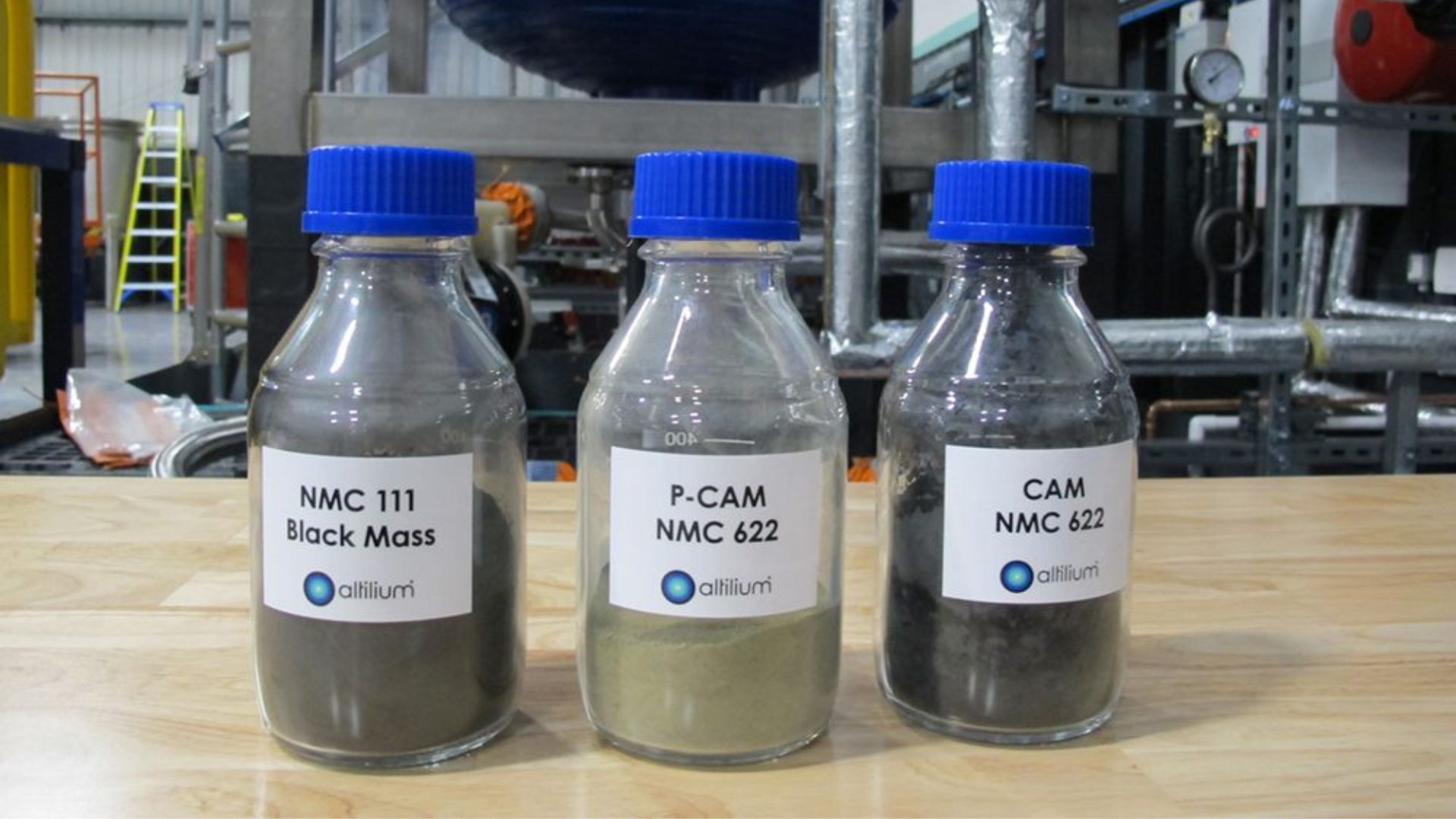
The UK’s push for electric vehicle supply chain sovereignty just gained critical legal teeth. Clean technology firm Altilium has been granted its first UK patent for its EcoCathode technology. It will transform spent EV battery scrap directly back into high-purity cathode materials. The decision by the UK Intellectual Property Office — awarding Patent No. GB2637908B for “Material Recovery Method and Use” — protects Altilium’s hydrometallurgical recycling method. Independent testing by Imperial College London confirmed that materials recovered using Altilium’s process match the quality of virgin mined minerals. It comes at a pivotal moment. As European electric vehicle adoption accelerates and stricter battery recycling rules loom, securing domestic access to critical minerals like lithium, nickel, and cobalt has shifted from an environmental goal to a national security priority. Closed-loop efficiency Typically, electric vehicle battery recycling relied on a fragmented, carbon-heavy supply chain where spent cells were crushed into “black mass” and shipped thousands of miles overseas for energy-intensive refining. Altilium breaks this reliance by using a closed-loop hydrometallurgical process to recover and regenerate high-purity, battery-grade cathode materials locally within the UK. It would cut transport emissions, energy consumption, and dependence on imported critical minerals. The process has been validated at an industrial scale alongside leading automotive OEMs and the Advanced Propulsion Center. “This patent represents a significant milestone for Altilium and validates years of research and development into creating a truly circular supply chain for battery materials. Intellectual property is fundamental to our strategy as we scale our technology from pilot operations to commercial production,” said Dr Christian Marston, Co-Founder and COO of Altilium. Cutting out overseas refining Altilium is expanding its intellectual property by advancing international patent applications across key global jurisdictions to lay the ground for future technology licensing opportunities. Domestically, this patented technology drives the company’s key infrastructure deployment, anchored by two primary facilities in the UK. The commercial rollout begins at the ACT3 Scale-Up Plant in Plymouth, which focuses on processing end-of-life battery scrap into battery-grade intermediate materials. Building on this foundation, the planned ACT4 Mega-Refinery will scale production up to commercial volume, manufacturing both cathode active materials (CAM) and anode active materials (AAM) to fulfill a significant share of the UK’s domestic battery supply needs. Planned for Teesside, ACT4 is designed to process 150,000 EV batteries per year. It is said to be enough to supply over 20% of the UK’s total CAM requirements by 2030 while creating more than 500 green jobs. This closed-loop recycling system secures critical minerals within Britain’s borders, providing automakers with a resilient, localized alternative to volatile global mining supply chains. Reprocessing spent energy storage directly into high-purity inputs turns depleted battery cells into clean power for the next generation of electric vehicles. The circular process cuts production costs for battery materials by approximately 20% compared to virgin materials, offering automotive manufacturers both sustainability and financial incentives.Beyond strengthening supply chain security, this domestic loop insulates manufacturers from international commodity price shocks and significantly cuts the environmental impact of raw material extraction.Recommended ArticlesGet the latest in engineering, tech, space & science - delivered daily to your inbox.Mrigakshi is a science journalist who enjoys writing about space exploration, biology, and technological innovations. Her work has been featured in well-known publications including Nature India, Supercluster, The Weather Channel and Astronomy magazine. If you have pitches in mind, please do not hesitate to email her.
Altilium’s patented hydromet technology reduces EV battery material costs by 20%
Full Article
Original Source
Read the full article at Interestingengineering →KhanList aggregates and links to publicly available news content. We do not host full articles from third-party sources. Always verify important information with original sources.