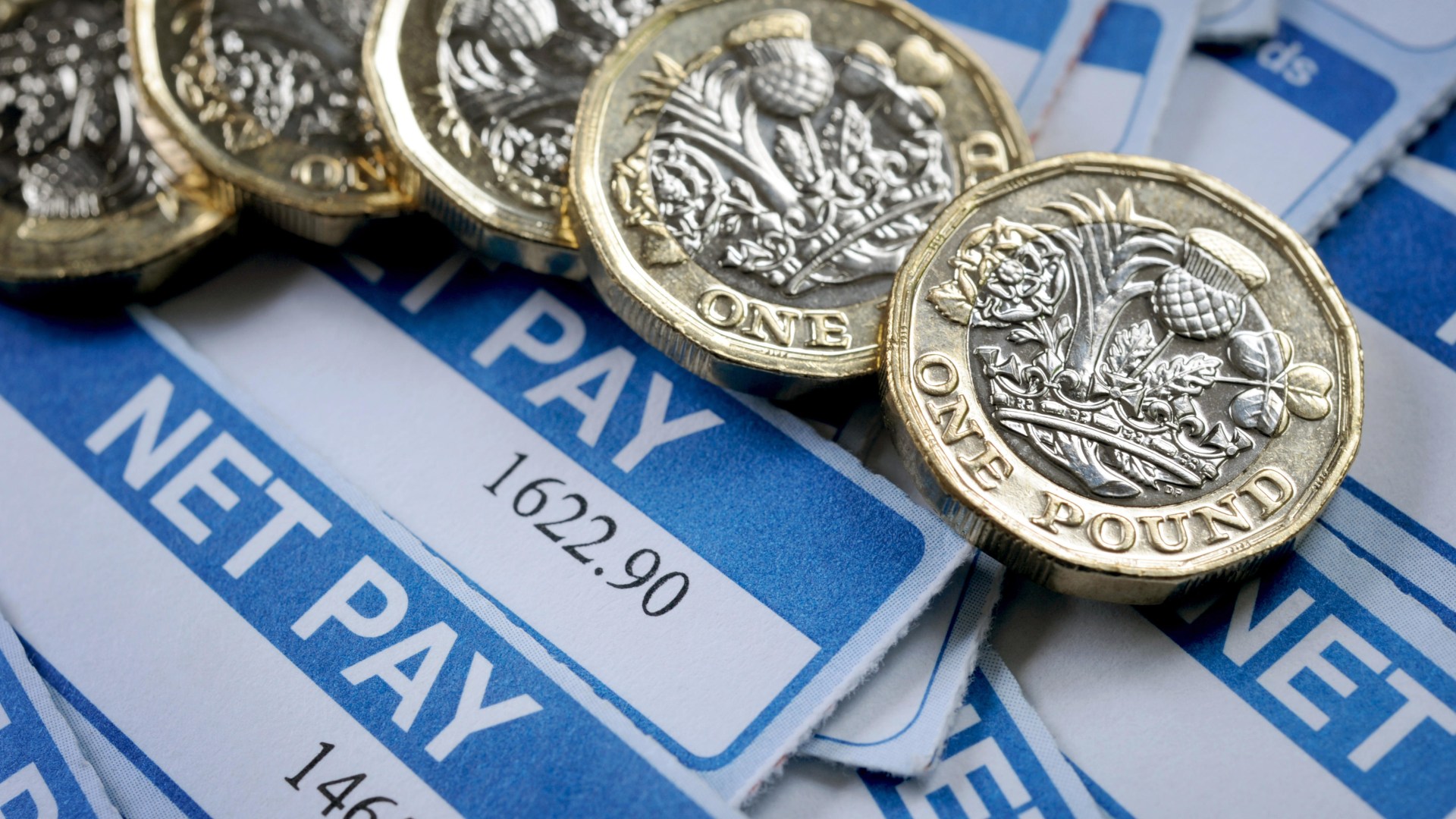
IT CAN be tempting to treat yourself on payday, but without a plan it’s easy to fritter the money away. Before you know it you’ve burnt through the cash and left yourself struggling to make it to the next payday. Want to make your money last the whole month? Follow our step-by-step guide Credit: Alamy But our five-step payday routine can help you break the cycle and make sure you have enough cash to last you until next month. Even small steps can have a big impact on your savings and spending money. Sign up for the First Time Buyer Guide newsletter Thank you! Here we reveal the five payday steps you need to take to never feel the pinch at the end of the month. Check your payslip – £689 Check your payslip for errors to make sure you’re being paid the right amount Credit: Getty It’s important to check your payslip each month to make sure you’re being paid the right amount. Doing this can help you spot any errors on your payslip and get them fixed quickly. Common mistakes include being paid too little or too much, the wrong amount being contributed to your pension or being put on the wrong tax code. Almost a quarter of adults discovered they were on the wrong tax code after checking, Canada Life has warned. Three quarters of this group paid an average of £689 a year more than they should. Most read in Money Most people are on the 1257L tax code. But if you’ve changed jobs recently then you could have an emergency tax code such as C0T, W1, M1 or X and you could be paying more than you should. To check your tax code log into the Government’s check your income tax service. You will need your Government Gateway ID, personal and employment details. Your employer can’t change your tax code directly so it’s up to you to fix the mistake. Once you have updated your code you should receive a rebate for the amount you overpaid. Pay your future self first – £200 Pay your future self first to squirrel away even more cash each month Credit: Getty The first thing you should do as soon as you get paid is to put money into savings or investments. Paying yourself first can help you set more money aside, rather than waiting until the end of the month and saving what you have left. You’re also less likely to notice the loss of the cash you’re saving that month if you put it away before you can spend it. You can also set up a standing order so the money is automatically transferred to your savings account, Isa or pension so you don’t need to think about it. Sarah Coles, head of personal finance at AJ Bell, said direct debits can be a game-changer. She adds: “If you don’t know whether to set aside money for savings, investments or a pension, it can help to know that the right answer is often a combination of all three – you can work your way towards multiple goals at the same time.” Use the 50/30/20 rule – £479 Use the 50/30/20 rule to figure out how much you should save and spend Credit: PA It can be hard to know how much you should put into your savings each month, but a key rule can help. The 50/30/20 rule can help you to split up your money into different areas. You should put 50% of your salary towards essential living costs, which includes rent or a mortgage, your bills and food. You should then put 30% of your income towards meals, holidays and days out. The final 20% should go towards your savings and investing. For example, if you earn £35,000 then you would take home roughly £2,393 a month after tax. You should aim to put £479 into savings, spend £1,197 on essentials and £718 on wants. Plan for panic months – £1,200 Plan ahead for panic months including the summer holidays Credit: Getty The summer can be a difficult time financially as days out, holidays and back to school shopping can all drain your wallet. That’s why it’s important to budget for all of these added expenses early and set aside cash as soon as you can. Sit down with your diary each month and make a note of all the important money dates. Track where your spending will go up and look for opportunities to cut back. Save what you can in a high interest savings account ahead of the busier months. For example, if you saved £100 a month from January then you would have £1,100 to spend by Christmas and £100 to set you up for the new year. Some apps will do the hard work for you and save the cash automatically. For example, the money app Plum has a feature that will automatically save money for you on payday. Meanwhile, Moneybox has an automated payday savings feature called Payday Boost, which lets you set aside a specific amount of money on a set day of the month. Or set up savings accounts specifically for big expenses, Sarah Coles recommends. Plan your payday goal – £133 Plan your payday goal and review your budget regularly Credit: PA Every payday set one financial goal you’re planning to stick to for the upcoming month. For example, you could plan to check your bank statement and make a note of any unnecessary purchases you made that month. Or you could go through your subscriptions and cancel any you don’t use. If your bills are due for renewal then make time to call your insurer and haggle for a cheaper deal. Haggling with your car insurer could save you £133 a year, according to Go.Compare. Comment now
Already regret your payday splurge? Try these five hacks to never run out of money and save £2,700
Full Article
Original Source
Read the full article at Thesun →KhanList aggregates and links to publicly available news content. We do not host full articles from third-party sources. Always verify important information with original sources.