
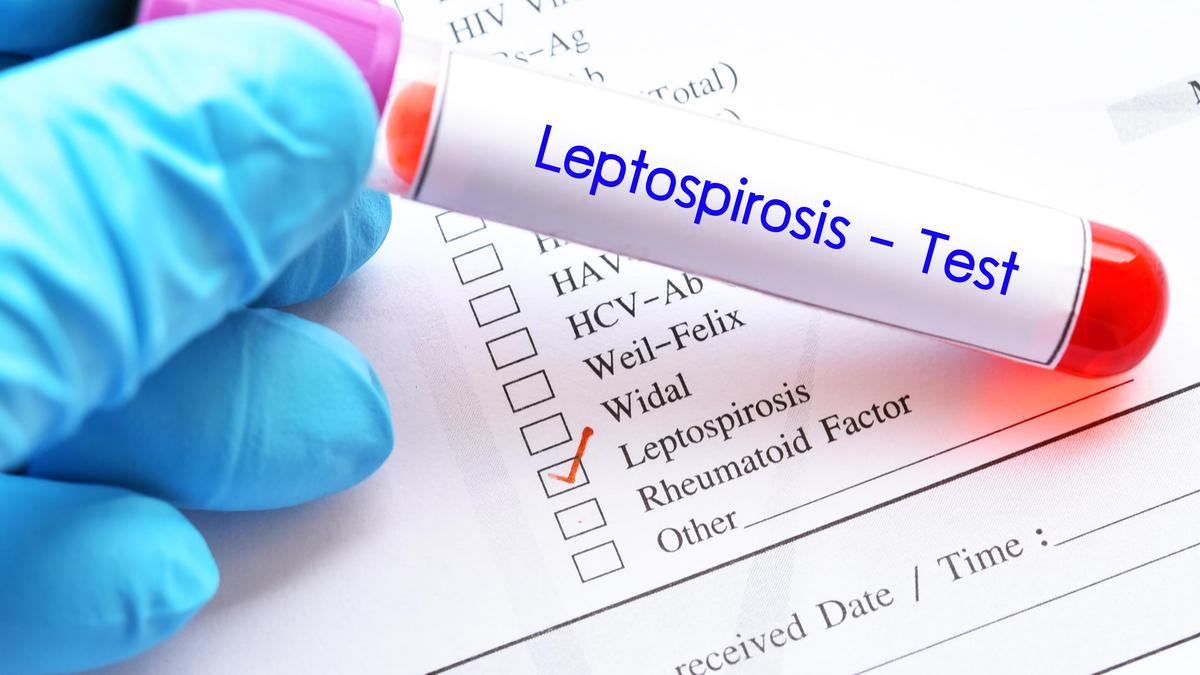
With heavy rain, waterlogging and flooded streets becoming familiar sights during the monsoon, the risk of leptospirosis, a bacterial infection spread through water or soil contaminated by the urine of infected animals, becomes an important public health concern. India is estimated to record between 100,000 and one million cases annually. The infection can cause fever and muscle pain, but in severe cases, it can damage the kidneys, liver and lungs. Recognising the symptoms early and seeking timely treatment can help prevent serious complications.What is leptospirosis?Leptospirosis is a zoonotic disease , an infection that spreads from animals to humans, caused by bacteria belonging to the genus Leptospira. The bacteria can infect several animals, including rats, cattle, dogs and pigs. Infected animals may shed the bacteria in their urine, contaminating water and soil.Humans can acquire the infection when contaminated water or soil comes into contact with broken skin or the mucous membranes of the eyes, nose and mouth. Drinking water contaminated with the bacteria can also transmit the infection. The bacteria can survive in moist soil and water for weeks or months under favourable conditions.The disease occurs worldwide, but its burden is greater in tropical and subtropical regions, particularly in areas with heavy rainfall, flooding, inadequate sanitation and limited access to safe water.The U.S. Centers for Disease Control and Prevention (CDC) estimates that about one million cases and nearly 60,000 deaths occur globally each year. The actual burden may be higher because the disease is often underdiagnosed and surveillance systems differ between countries.In India, leptospirosis is a recognised public health concern, particularly in coastal regions and other areas where environmental conditions favour transmission. The National Centre for Disease Control (NCDC), under the Union Health Ministry, identifies Kerala, Tamil Nadu, Maharashtra, Gujarat and Karnataka among the States where the disease has been a concern. The Government’s Programme for Prevention and Control of Leptospirosis has expanded to cover 181 districts across 12 States and two Union Territories, according to the NCDC.What are the signs and symptoms?Symptoms usually develop between two and 30 days after exposure, most commonly within five to 14 days. Some infected people may not develop symptoms, while others experience an illness that resembles dengue, influenza or other infections that cause fever.Common symptoms include-- fever and chills, headache, muscle pain - particularly in the calves and lower back, redness of the eyes, nausea, vomiting or diarrhoea, abdominal pain and fatigue.The symptoms are not specific to leptospirosis, making it difficult to identify the infection on clinical grounds alone. A history of exposure to floodwater, contaminated soil or potentially infected animals can help a doctor assess the likelihood of infection.In some patients, the illness progresses to a severe form, sometimes called Weil’s disease. This can involve kidney damage, liver dysfunction, jaundice, bleeding and respiratory complications. In severe cases, patients may develop meningitis, shock or failure of multiple organs.Who is most at risk?The risk of infection is higher among people who have frequent contact with contaminated water, wet soil or animals.Agricultural workers, particularly those working in flooded paddy fields, are among the groups at risk. Other vulnerable groups include sanitation workers, sewer and drainage workers, waste handlers, flood-relief personnel and people involved in cleaning waterlogged homes and public spaces.People living in areas with poor drainage, inadequate sanitation, rodent infestation or recurrent flooding may also face increased exposure. Those who walk barefoot through contaminated water or have cuts and abrasions on their skin may be more vulnerable.Exposure does not necessarily lead to infection, and not everyone who contracts the bacteria develops severe disease. However, the risk of complications makes early recognition important.The disease is not generally spread directly from one person to another. Its transmission is primarily associated with contact with infected animals or environments contaminated by their urine.What are the treatment options?Anyone who develops a fever after exposure to floodwater or potentially contaminated water or soil should seek medical assessment and mention the exposure to the treating doctor. Urgent care is particularly important if there is jaundice, reduced urine output, breathing difficulty, bleeding, confusion or persistent vomiting.It is important not to assume that every fever during the monsoon is dengue or another common seasonal infection. Leptospirosis may initially present similarly, but the treatment and potential complications differ.It is treated with antibiotics. Early treatment is important, and doctors may begin treatment when the clinical suspicion is high rather than waiting for laboratory confirmation.For mild illness, doctors may prescribe oral antibiotics such as doxycycline, amoxicillin or azithromycin, depending on the patient’s circumstances and clinical assessment. The choice of antibiotic and duration of treatment depend on factors such as age, pregnancy, allergies and the severity of the illness.Patients with severe disease may require hospitalisation and intravenous antibiotics, such as penicillin or ceftriaxone. They may also need supportive treatment for complications, including intravenous fluids when appropriate, monitoring of kidney and liver function, oxygen or ventilatory support, and dialysis if kidney failure develops.Diagnosis involves tests such as PCR, which detects the bacteria’s genetic material, and IgM ELISA, which detects antibodies produced in response to the infection. The choice of test depends on the stage of illness, and doctors may also test for other infections that cause similar symptoms.It is important to not self-medicate with antibiotics or wait for symptoms to become severe before seeking care. Antibiotics should be taken under medical supervision, and suspected severe leptospirosis requires urgent assessment.How can leptospirosis be prevented?Reducing contact with potentially contaminated water and soil is central to prevention, particularly during the monsoon and after floods.Avoid wading through floodwater whenever possible. Those who must work in waterlogged areas should use waterproof boots and protective clothing, and cover cuts and abrasions with waterproof dressings. Hands and exposed skin should be washed thoroughly after contact with potentially contaminated water or soil.Drinking water should be safe. Water that may have been contaminated during flooding should be boiled or treated using an appropriate method before consumption. Food that has come into contact with floodwater should be discarded.Improved drainage, proper waste disposal, rodent control and measures to reduce animal exposure are important at the community level. Local health authorities should also strengthen surveillance, laboratory diagnosis and public awareness in areas where cases are regularly reported.
All you need to know about: Leptospirosis
Full Article
Original Source
Read the full article at Thehindu →KhanList aggregates and links to publicly available news content. We do not host full articles from third-party sources. Always verify important information with original sources.