
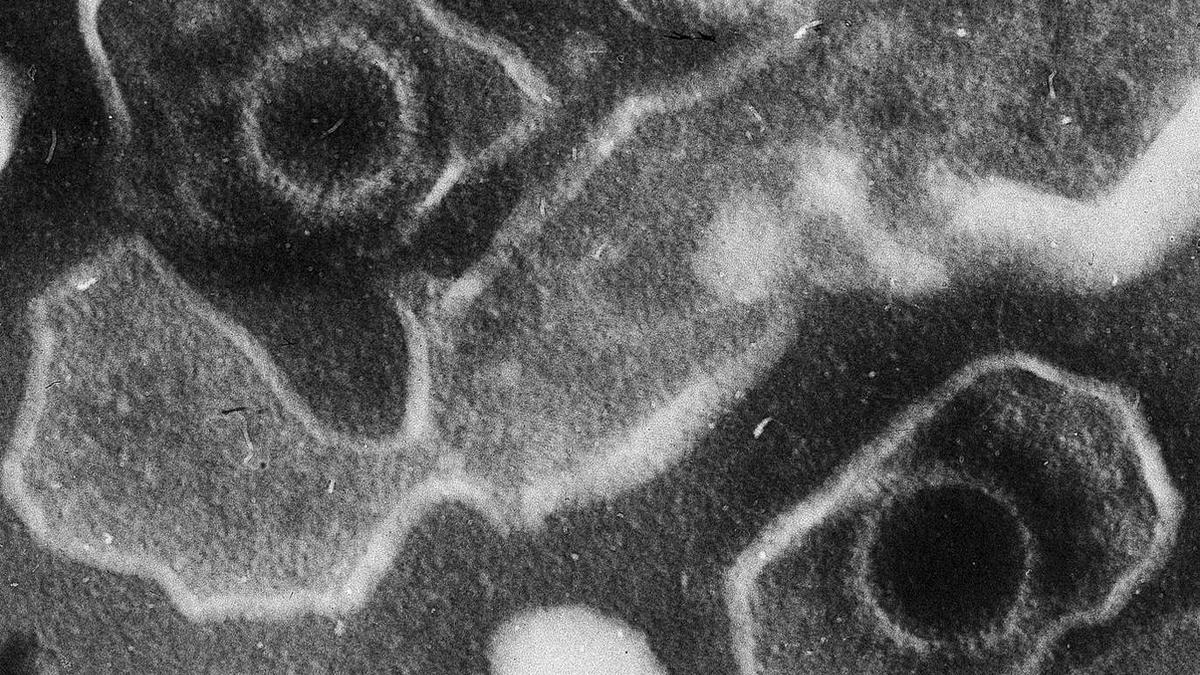
Epstein-Barr virus (EBV) is among the most widespread of human viruses. More than 90% of adults are estimated to have been infected during their lifetime. Most people acquire the infection during childhood without developing symptoms. In some, particularly those infected during adolescence or adulthood, it can cause infectious mononucleosis. The virus then remains in the body for life.A new analysis by the International Agency for Research on Cancer (IARC), the cancer agency of the World Health Organization (WHO), estimates that about 2.3 million new cancer cases worldwide in 2024 were attributable to infections. The analysis incorporates recent evidence linking EBV with gastric cancer and places EBV among the infectious agents responsible for a substantial cancer burden worldwide.What is Epstein-Barr virus?EBV, also known as human herpesvirus 4, belongs to the herpesvirus family. It spreads mainly through saliva, including through kissing or sharing drinks, food, eating utensils and toothbrushes.According to WHO, many people infected with EBV have no symptoms. When illness occurs, symptoms can include fever, sore throat, swollen lymph nodes and marked fatigue. Infectious mononucleosis generally improves within a few weeks, although fatigue can last longer.After the initial infection, EBV remains in the body in a dormant state. In most healthy people, the immune system keeps the infection under control.EBV is classified by IARC as a Group 1 carcinogen. It has established causal links with several cancers, including nasopharyngeal carcinoma, Burkitt lymphoma and Hodgkin lymphoma. The latest IARC analysis also incorporates evidence linking EBV with gastric cancer.Who is at risk?Most people infected with EBV do not develop cancer. The infection is therefore not, by itself, an indication that a person will develop cancer.People with weakened immune systems are at greater risk of serious EBV-related disease. This includes some people who have undergone organ or stem-cell transplantation and those receiving treatments that suppress the immune system.The cancers associated with EBV also vary geographically. Nasopharyngeal cancer, for instance, is particularly prevalent in parts of eastern and southeastern Asia. The development of EBV-associated cancer is thought to involve factors beyond the infection itself.How is it diagnosed?A person does not normally need to be tested simply because EBV is common.When infectious mononucleosis is suspected, doctors may make a diagnosis based on the symptoms and clinical examination. Blood tests can provide supporting evidence. These include tests for heterophile antibodies and EBV-specific antibodies, which can help determine whether an infection is recent or occurred in the past.In suspected EBV-related cancers or serious disease in people with compromised immunity, more specialised tests may be needed. These can include testing for EBV genetic material in blood or other samples and examination of tumour tissue for the presence of the virus.A positive EBV antibody test does not mean that a person has cancer. Since infection is so common, evidence of past infection is expected in most adults.What are the treatment options?There is no treatment that removes latent EBV from the body and there is currently no vaccine against the virus.According to WHO, treatment for uncomplicated infectious mononucleosis is mainly supportive. Rest, adequate fluids and medicines to control fever and pain may be advised. Antibiotics do not treat EBV because it is a virus.People with mononucleosis may also be advised to avoid strenuous activity and contact sports for a period, particularly if the spleen is enlarged, because of the risk of splenic injury.When EBV is associated with cancer, treatment depends on the type and stage of cancer and may include chemotherapy, radiotherapy, immunotherapy, targeted treatment or a combination of these.Can EBV be prevented?There is currently no vaccine against EBV. Preventing transmission can also be difficult because infected people may spread the virus without knowing that they have it.WHO advises avoiding the sharing of drinks, utensils, toothbrushes and other items that come into contact with saliva.The development of an EBV vaccine is an important area of research. The latest IARC analysis adds to the evidence on the virus’s contribution to cancer and highlights the need for continued research into prevention.
All you need to know about: Epstein-Barr virus
Full Article
Original Source
Read the full article at Thehindu →KhanList aggregates and links to publicly available news content. We do not host full articles from third-party sources. Always verify important information with original sources.