
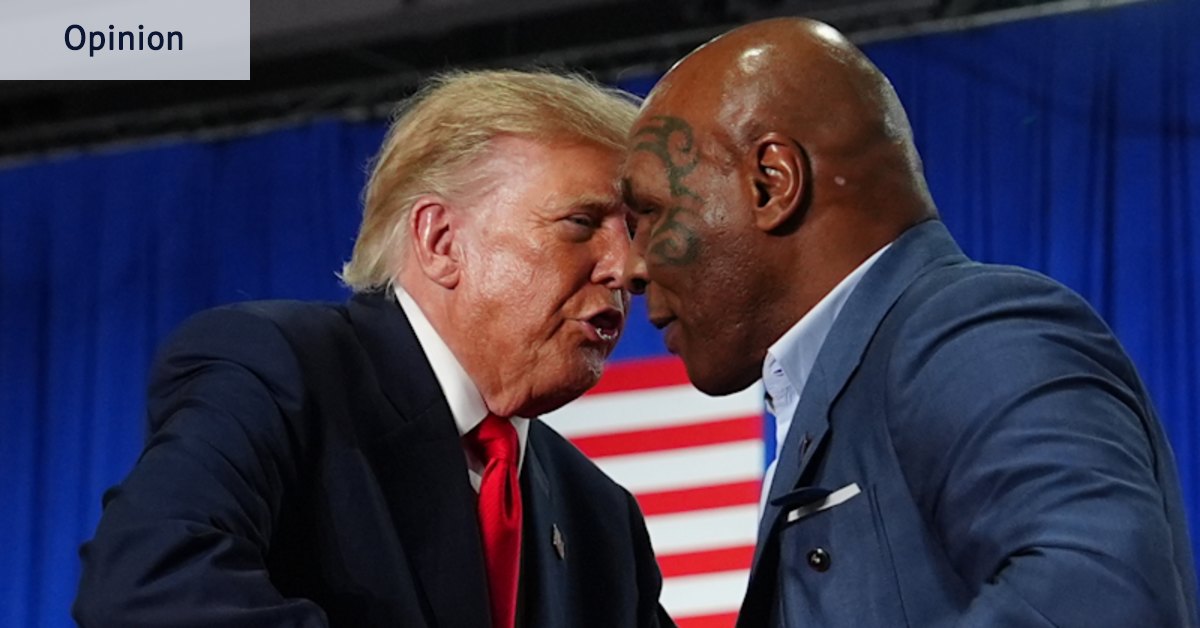
OpinionAcademic and former intelligence officerNovember 4, 2026 — 3:56pmNovember 4, 2026 — 3:56pmPolls have just closed in the US midterm elections. The final results are coming in for states such as Florida and will land in a few days for others such as California and Alaska. One conclusion can be drawn immediately: the Republican Party’s huge advantage in money couldn’t protect it from a disenchanted electorate. This marks a dramatic change after more than four decades in which the top fundraiser has won 92 per cent of the time. In this sense, the midterms revealed the limits of the power of money in a democracy.The Republican Party faced a completely hostile political environment: high prices at the petrol station and the supermarket, a stalemated war with Iran, for which President Donald Trump proudly took responsibility, public hostility toward data centres that feed into fears about job losses due to artificial intelligence, and the lowest presidential approval rating before a midterm election in 80 years, when President Harry S. Truman and the Democrats were demolished in 1946. The accumulated force of these factors should have swept Republican candidates out of politics the way a meteorite cleared out Earth’s dinosaurs.US president Donald Trump has campaigned with cage fighters and boxers including Mike Tyson.AP Photo/Julia Demaree NikhinsonFor historical reasons, however, there was still a chance three months ago that the Republican Party could have staged a comeback. That would have required it to maintain a laser-like focus on mobilising Americans who generally don’t vote in midterms. A key demographic group that contributed to Trump’s victory in 2016 and his political rebirth in 2024 is the “white voter without a college degree”. They are the backbone of his MAGA movement, and about two-thirds of them voted for him in each of his presidential campaigns. He appealed to them at public rallies to “pretend I’m on the ticket” and vote Republican.It is no accident that Trump has been photographed accompanied by various cage fighters and boxers, and sought comfort in their soothing balm of sweat, blood and male aggression. It is also no accident that the Republican Party’s advertising and other communications have been personally vicious and vindictive towards their political opponents. If they couldn’t get positive energy for their policies, they had to summon up negative energy to get a demoralised and frustrated base into the polling booths to vote against their enemies. But the problem was that these voters expressed intense frustration with their own party, citing unfulfilled promises and economic frustrations. As such, they were inherently forward-looking and grievance-driven at the polling booths, and wanted solutions rather than reminders of what Trump had already done. Trump’s undisciplined talk of ballrooms, reflecting pools, athletes’ bodies and other diversions undermined the hundreds of millions spent on the campaign.The Republicans used sophisticated data analytics to identify and reach key demographics using digital platforms YouTube, Twitch, and sports-adjacent podcasts, as well as traditional television advertising. They highlighted cultural issues where they believed Democrats were out of step with more socially conservative or working-class voters. They invested in direct voter contact such as door-knocking, tracking early voting data, and following up with voters who have a history of voting Republican but hadn’t yet done so. Their efforts were intended to prevent a drop-off in turnout among these specific voters.However, working-class Americans voted for Trump in the 2024 presidential election on economic grounds – specifically, inflation, petrol prices, and the cost of living under the Biden administration. Trump had promised them immediate economic relief. But for the whole of 2026, groceries have been more expensive, energy costs have risen and working-class voters felt their economic situation worsened. Ultimately, the avalanche of Republican money couldn’t pull Trump’s most important demographics out of their homes and into the voting booths.Furthermore, the big money was deployed too late, forcing pro-Republican donors to pay much higher advertising rates because the pro-Democrats had used their funds to reserve advertising time much earlier, when it was cheaper. The result is that Trump-connected organisations sometimes paid more than five times what they would have paid if they moved earlier. For example, during a football game a few weeks ago, Texas PAC was charged $US450,000 ($646,000) to air a single spot in the Austin market. The Democratic candidate’s campaign paid $US50,000 for a spot during the same game in the same market, according to AdImpact.A major difference to previous decades is that the Republican Party no longer relies primarily on a broad corporate donor network of the kind associated with figures like George W. Bush. Under Trump, it depends heavily on a relatively small number of super-wealthy donors and political action committees. As US political scientist Paul Heidemann noted last week, such elite concentration has narrowed the party’s social base and disconnected party leaders from voter sentiment. There was no-one to push back when Trump repeatedly called affordability a “fake word made up by the Democrats”. That could change in 2028.When the final results are known, they won’t be a Democratic meteorite hitting the Republican Party. They will be a Democratic wave that takes the House Representatives. And perhaps even a tsunami that takes the Senate.Professor Clinton Fernandes is in the Future Operations Research Group at UNSW. His latest book is Turbulence: Australian Foreign Policy in the Trump Era.The Opinion newsletter is a weekly wrap of views that will challenge, champion and inform your own. Sign up here.Professor Clinton Fernandes is part of University of NSW’s Future Operations Research Group which analyses the threats, risks and opportunities that military forces will face in the future. He is a former intelligence officer in the Australian Army.From our partners
All the money said the Republicans and Trump would win. They blew it
Full Article
Original Source
Read the full article at Smh →KhanList aggregates and links to publicly available news content. We do not host full articles from third-party sources. Always verify important information with original sources.