
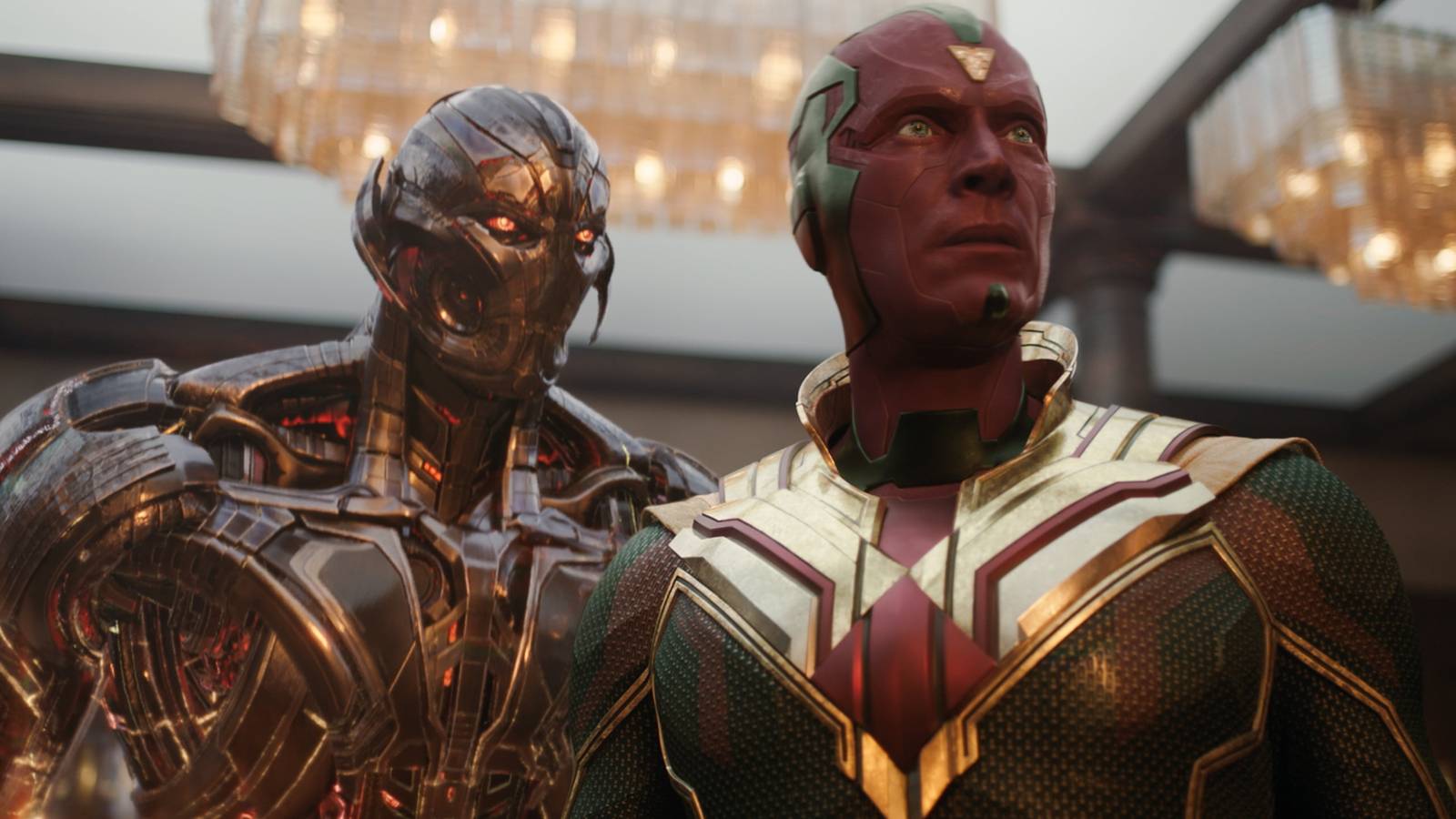
Published Nov 11, 2026, 12:00 PM EST Ben Sherlock is a Tomatometer-approved film and TV critic who runs the massively underrated YouTube channel I Got Touched at the Cinema. Before working at Screen Rant, Ben wrote for Game Rant, Taste of Cinema, Comic Book Resources, and BabbleTop. He's also an indie filmmaker, a standup comedian, and an alumnus of the School of Rock. More than half a decade after Wanda Maximoff’s love persevered in the town of Westview, Marvel has finally completed the WandaVision trilogy. WandaVision didn’t have a traditional run; it started off as a Wanda-centric miniseries with two key supporting players — her grief-induced reanimation of Vision and her kooky next-door neighbor Agatha Harkness — and then, after Wanda’s story was finished, we switched genres from sitcom homage to horror homage and pivoted the focus to Agatha in a whole separate miniseries, Agatha All Along. After that, the focus pivoted once again to Vision, trapped in his own mind palace, following the events of WandaVision, in yet another separate miniseries, VisionQuest. Together, WandaVision, Agatha All Along, and VisionQuest comprise their own little corner of the Marvel Cinematic Universe, much in the same way that The Mandalorian and its various spinoffs occupy their own post-Return of the Jedi niche within the larger Star Wars canon. But the difference here is that The Mandalorian’s spinoffs have been very hit-and-miss — Ahsoka was fun but forgettable, and The Book of Boba Fett was outright awful — while the WandaVision trilogy was all hits. All three pieces of this makeshift triptych individually stand out as one of the most unique and inventive and substantial projects Marvel has ever taken on. When WandaVision premiered in 2021, it was a breath of fresh air — an intimate, low-stakes, character-driven story with far more emotional resonance than superhero spectacle — and it set the bar way, way too high for the post-Endgame MCU. Its own sequels, Agatha All Along and VisionQuest, are two of the only other post-Endgame releases (along with Loki, Shang-Chi, Thunderbolts*, and Spider-Man: Brand New Day) to reach WandaVision’s heights of originality and ingenuity. Whereas most Marvel projects are just a number on a balance sheet — Captain America 4 in Q1, Spider-Man 5 in Q2, etc. — WandaVision, Agatha All Along, and VisionQuest were all genuinely worthwhile stories and character pieces, and they all actually had something to say. We can all agree that every entry in the WandaVision trilogy was great, but which one was the very best? 3 VisionQuest The third entry in a trilogy is often the weakest: Alien 3, Superman III, Jaws 3D, Sam Raimi’s Spider-Man 3, The Godfather Part III, The Matrix Revolutions, The Dark Knight Rises, Return of the Jedi, X-Men: The Last Stand — the list goes on. Even when the third movie is still pretty darn good, like Evil Dead threequel Army of Darkness, it’s still aped by the quality of the first two. So, it should come as no surprise that the third and final entry in the WandaVision trilogy, VisionQuest, is its weakest. That doesn’t mean it’s a bad show; it just means it’s not quite as transcendently great as the first two were. A lot of that probably has to do with the absence of Jac Schaeffer. Schaeffer was the creator and showrunner of both WandaVision and Agatha All Along, but VisionQuest was handled by Terry Matalas while she went off to spearhead the Stargate reboot for Amazon. Matalas definitely has some strengths as a writer — VisionQuest is every bit as fun and well-paced as WandaVision and Agatha All Along were, and just as unique and accomplished a genre mashup — but his writing lacks the emotional depth that Schaeffer brought to the table. Schaeffer could take these absurd superhuman characters and far-fetched comic book scenarios and ground them in a universal emotional reality. She could be writing a conversation between a witch and a robot in an imagined fantasy world, and somehow manage to reveal an eye-opening truth about the anguish of grief. That’s a rare gift, and Schaeffer wasn’t there to bring those little touches of human profundity to VisionQuest. The show’s twisty tale of A.I.-on-A.I. violence could be seen as a grand metaphor for A.I. eating its own tail and the imminent bursting of the A.I. bubble, but that would be extremely generous. VisionQuest’s meaningless technobabble is strung together by so many tired tropes and clichés that the plot, ironically, could’ve been churned out by A.I. itself. Paul Bettany and James Spader’s witty repartee as bickering androids kept VisionQuest endlessly watchable, but the plot that it hangs on is mostly nonsensical. 2 Agatha All Along By the time its final episodes rolled around, Agatha All Along had become an even more engaging and satisfying show than WandaVision. By putting its climactic action in the second-to-last episode, Agatha avoided the rookie mistake that plagues a lot of Marvel’s TV shows. They usually stall all the payoffs until the finale, so the emotional resolutions feel rushed, but Agatha All Along put the final battle with Lady Death in the penultimate episode, which freed up the finale to focus entirely on the emotions and the dramatic denouements. But before we got to those thrilling final episodes, Agatha All Along got off to a painfully slow start. There was a lot of misdirection in those early episodes; we meet Agatha as a grizzled detective, then we see her get the band back together and assemble a coven of boss witches. The series doesn’t pick up the pace and settle into a groove until they’re finally on the Witches’ Road. But once they start heading down, down, down the road, Agatha All Along settles into an agreeable format: where WandaVision had deconstructed the history of the sitcom, Agatha homaged different eras and styles of horror cinema, and it was a ton of fun. 1 WandaVision There hasn’t been a single weak installment in the WandaVision trilogy — all three shows have been great in their own way — but it never topped the first one. WandaVision isn’t just the best series in its namesake trilogy; barring maybe X-Men ’97, it’s still the best show that Marvel Studios has made for Disney+. The biggest problem with shows like Secret Invasion and The Falcon and the Winter Soldier is that they feel like movie-sized plots stretched out to a series’ length. In other words, they don’t feel like TV shows. But WandaVision does feel like a TV show, not just because it pays homage to beloved classics like I Love Lucy and Full House, but because it has an episodic structure, and because it uses its extra runtime to dig deeper into the characters and their emotional conflicts. Before Schaeffer got her mitts on them, Wanda and Vision were two of the dullest, most boring characters in the MCU, with the dullest, most boring romance. Whereas Peter Quill and Gamora, Peter Parker and M.J., and T’Challa and Nakia all melted our hearts, couples like Stephen Strange and Christine Palmer or, indeed, the original incarnation of Wanda and Vision from the movies are just generic, boilerplate “movie couples,” with no real reason for being together, and no tangible on-screen dynamic. But WandaVision proved that it wasn’t Elizabeth Olsen and Paul Bettany’s fault; it was Joss Whedon and the Russo brothers’ fault for giving them nothing to work with. Schaeffer turned Wanda and Vision into a real couple with a flawed, beautiful, fully lived-in relationship. They went from being one of the MCU’s least interesting couples to one of its most interesting couples overnight. Olsen and Bettany had always had the chemistry to play a great love story, and Schaeffer finally gave them one in WandaVision.
All 3 Shows In Marvel's WandaVision Trilogy, Ranked
Full Article
Original Source
Read the full article at Screenrant →KhanList aggregates and links to publicly available news content. We do not host full articles from third-party sources. Always verify important information with original sources.