
In her first Budget, Ms Reeves raised NI on employers by some £20 billion which has been widely blamed for hitting the UK’s economy.Rachel Reeves’ National Insurance rise on employers is widely blamed for thousands of job cutsPA WireUnveiling his proposals, the former Cabinet minister said some tax reforms were needed to cut the number of young people not in employment, education or training (Neets).He said he understood why Ms Reeves raised NI in the autumn of 2024, given the economic inheritance from the Tories.But he said her decision had had “consequences,” with bosses lining up to tell him how it had hit hiring.So, he called for “targeted and phased” cuts to NI for employers.“There should be a glide path to lower National Insurance contributions for those sectors like retail and hospitality that employ so many young people. One in three,” he told Times Radio.Pubs, clubs, bars and shops were hard hit by the NI increase in the 2024 BudgetAFP/GettyIf the Government adopts Mr Milburn’s recommendation, it would be a significant boost to many hospitality and retail firms in London which were heavily impacted by the NI rise and the jump in the rate of the Minimum Wage, for workers aged 18 to 20.In his 267-page landmark reforms, Mr Milburn set out measures to lower the Neet rate by more than half from 13.4% to around 6.8% by 2036, bringing the UK into line with other comparable European countries.The UK rate has never been lower than 9.7% since data began in 2001.But in a challenge to ministers, the ex-Cabinet minister said Britain should aim to go further and set a new national ambition for a 5% Neet rate, which he dubbed “Neet Zero”.Alan Milburn, Prime Minister Andy Burnham and Education Secretary Lucy Powell during a visit to Alstom Transport in DerbyPA WireHe proposed a variety of reforms to the welfare system and new support for young people.* Giving up to £7,000 to employers for hiring under-25s who have been a Neet for six months, while also expecting them to create more youth jobs.Read More* A greater focus on technical and vocational education, including by doubling the number of apprenticeships by 2036.* A new youth opportunity service which should be rolled out across all of England by 2029. It would aim to be young people’s single point of contact on employment, careers, health and practical support.But the report’s recommendation that young people’s entitlement to the main sickness and disability benefits be replaced with a new “youth allowance” has drawn criticism from charities.London has the highest unemployment in the countryKatie Schmuecker, principal policy adviser at the Joseph Roundtree Foundation, said “cutting sick and disabled young people’s benefits should not be part of this package”.Welfare savings would begin in 2029, Mr Milburn said, and could result in an accumulated £13.7 billion welfare savings in a decade’s time, as well as adding 0.4% GDP to economic growth per year by 2036.Shadow Work and Pensions Secretary Helen Whately said: “Where Milburn gets it right, we’ll back him. Especially where he adopts our proposals like shifting from cash sickness benefits to support for milder conditions and cutting national insurance for young people.”
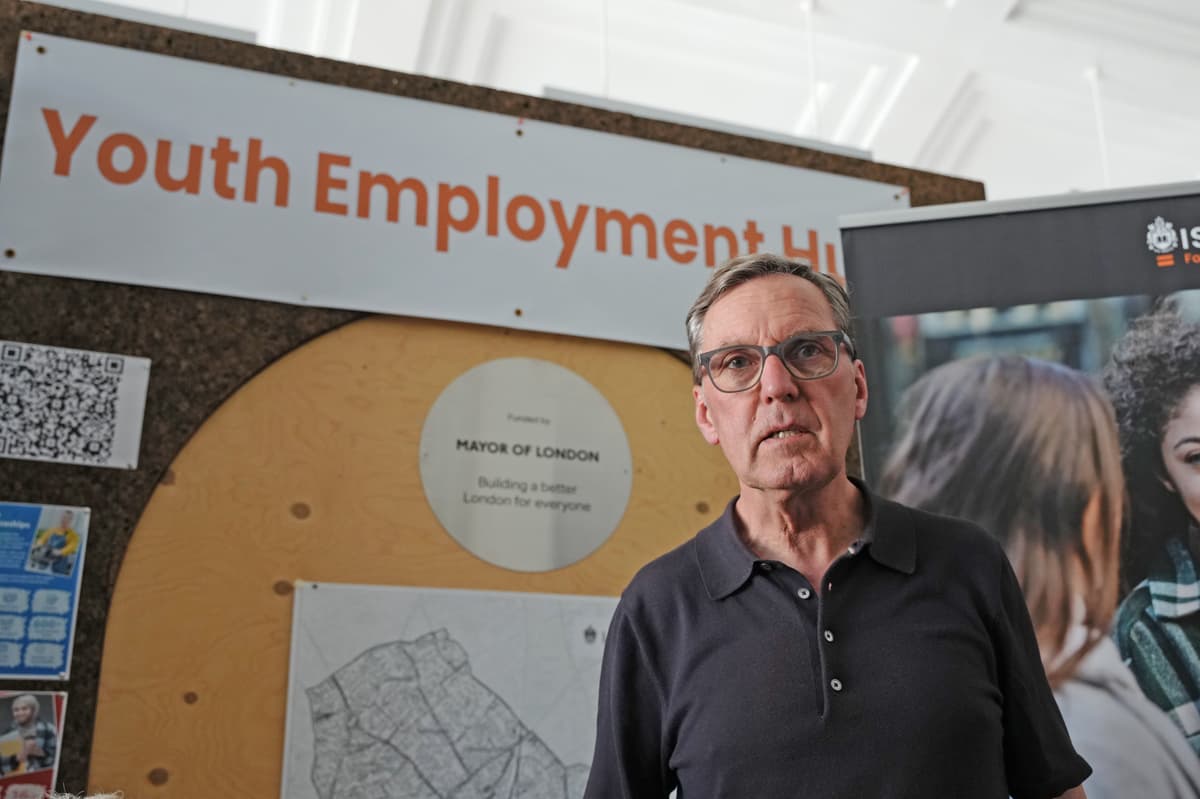
Alan Milburn throws lifeline to London pubs and shops by calling for tax cuts to hire young workers
Full Article
Original Source
Read the full article at Standard →KhanList aggregates and links to publicly available news content. We do not host full articles from third-party sources. Always verify important information with original sources.