
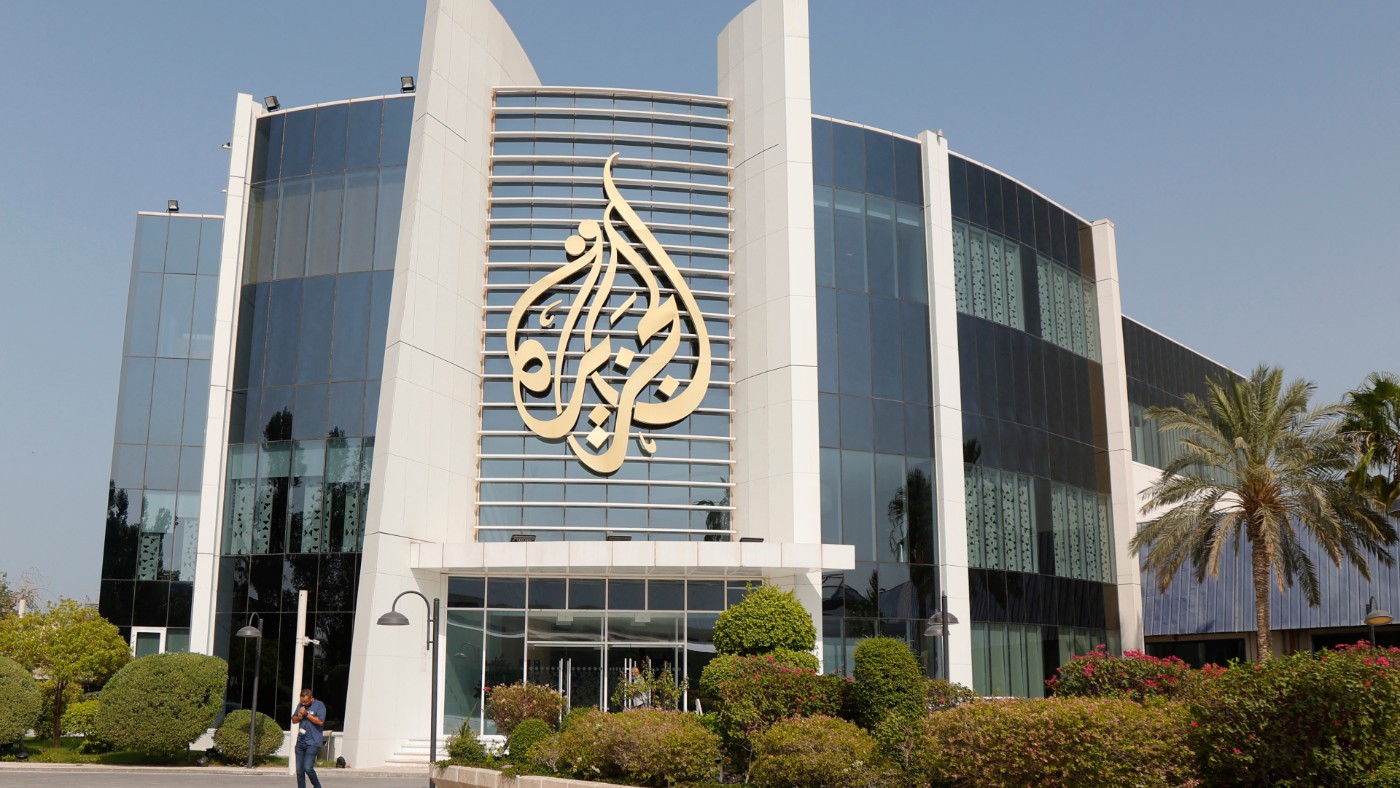
Al Jazeera celebrated 30 years “of transforming news in Middle East and beyond” on Sunday, as the Qatari media network marked its anniversary and announced the launch of a new “ecosystem” of channels. At a celebration in Doha, which was attended by the emir of Qatar, Sheikh Tamim bin Hamad Al Thani, and senior network officials, Al Jazeera's message was that it “remains committed to telling stories to our global audiences with impartiality, truth and accuracy”. Al Jazeera Arabic was launched 30 years ago, on 1 November 1996, with an initial grant of about $137m from the Qatari state and a recurring annual grant of about $100m. At first, the channel broadcast for just six hours a day. The news channel, which, as the Guardian later reported, enjoyed “an unusual degree of editorial freedom, allowed by the Qatari government”, quickly “picked up Arab viewers disenchanted with state-controlled media in their own countries”. “Most analysts agree that Al Jazeera was, and is, a diplomatic exercise by the rich and savvy ruler of a small and geopolitically vulnerable nation,” former staff member Scott Bridges, now a media academic in Australia, wrote in 2012. New MEE newsletter: Jerusalem Dispatch Sign up to get the latest insights and analysis on Israel-Palestine, alongside Turkey Unpacked and other MEE newsletters “But from the moment it was launched, this news network was a radical departure from the kind of state-owned television that is standard across the Middle East.” Many of Al Jazeera Arabic’s initial staff were recruited from the BBC, which launched an Arabic TV channel a couple of years before the Qatari network, but then closed it down after censorship attempts from Saudi Arabia, which controlled the relevant satellite. Al Jazeera Arabic’s popularity and acclaim grew during the US-led invasion of Afghanistan, when the network maintained the only 24-hour satellite link to Kabul and its footage was used by western channels. Al Jazeera Arabic was followed 10 years later by the channel that is now known as Al Jazeera English, which was started with an initial investment of $1bn. The Qatari network has been hailed for its coverage of the invasion of Iraq, the Syrian civil war, the Arab Spring revolutions and Israel’s genocide in Gaza, where at least 10 of its full-time staff and nine freelancers have been killed. Last week, a Tel Aviv court approved a further 90-day extension of Israel’s closure of Al Jazeera’s office and ban on its operations in the country. Israel first banned the network in May 2024 under a law targeting foreign broadcasters accused of being a “threat to national security”. Israeli forces also raided and closed Al Jazeera's Ramallah office in the occupied West Bank that September. 'New ecosystem of news channels' At the event commemorating the 30th anniversary in Doha, Hamad bin Thamer bin Mohammed Al Thani, Al Jazeera’s chairman, said that his network had “achieved what we didn’t expect it to achieve in a short period of time, if we compare it to other international news organisations”. Al Jazeera’s director general, Nasser bin Faisal bin Khalifa Al Thani, said that “pride in history, no matter how great, is not enough. Al Jazeera, which started a bold idea, cannot remain faithful to that beginning unless it has the courage of renewal”. Israeli strike kills Al Jazeera cameraman in central Gaza Read More » In a statement, Al Jazeera Media Network said it would be launching a “new ecosystem of news channels” under the slogan “Now. Meaning. Humanity.” “The launch forms part of a strategic transformation in response to rapid changes in how audiences consume news and media,” the statement said. “It will give viewers a comprehensive perspective built on three pillars: speed and keeping pace with events (Now), depth and analysis (Meaning), and the human dimension (Humanity).” In practice, this will centre on three channels. Al Jazeera Now, which will focus on “continuous coverage of major developing stories and escalating situations”, while Al Jazeera Arabic will deepen its news and investigatory coverage. Al Jazeera Mubasher “will retain its identity as a channel that brings viewers events as they happen, providing a live, unmediated window onto the news directly from the field”, according to the statement. Raed Fakih, Al Jazeera's director of news, said: “For three decades, Al Jazeera has helped transform the way news is covered in the Arab world, making room on screen for voices, issues and perspectives that had not been given the space they deserved. “Today, as we mark Al Jazeera’s 30th anniversary, we are building on that editorial legacy to broaden the scope of our coverage and give greater prominence to a wider range of events and viewpoints.”
Al Jazeera celebrates 30 years 'of transforming news in Middle East and beyond'
Full Article
Original Source
Read the full article at Middleeasteye →KhanList aggregates and links to publicly available news content. We do not host full articles from third-party sources. Always verify important information with original sources.