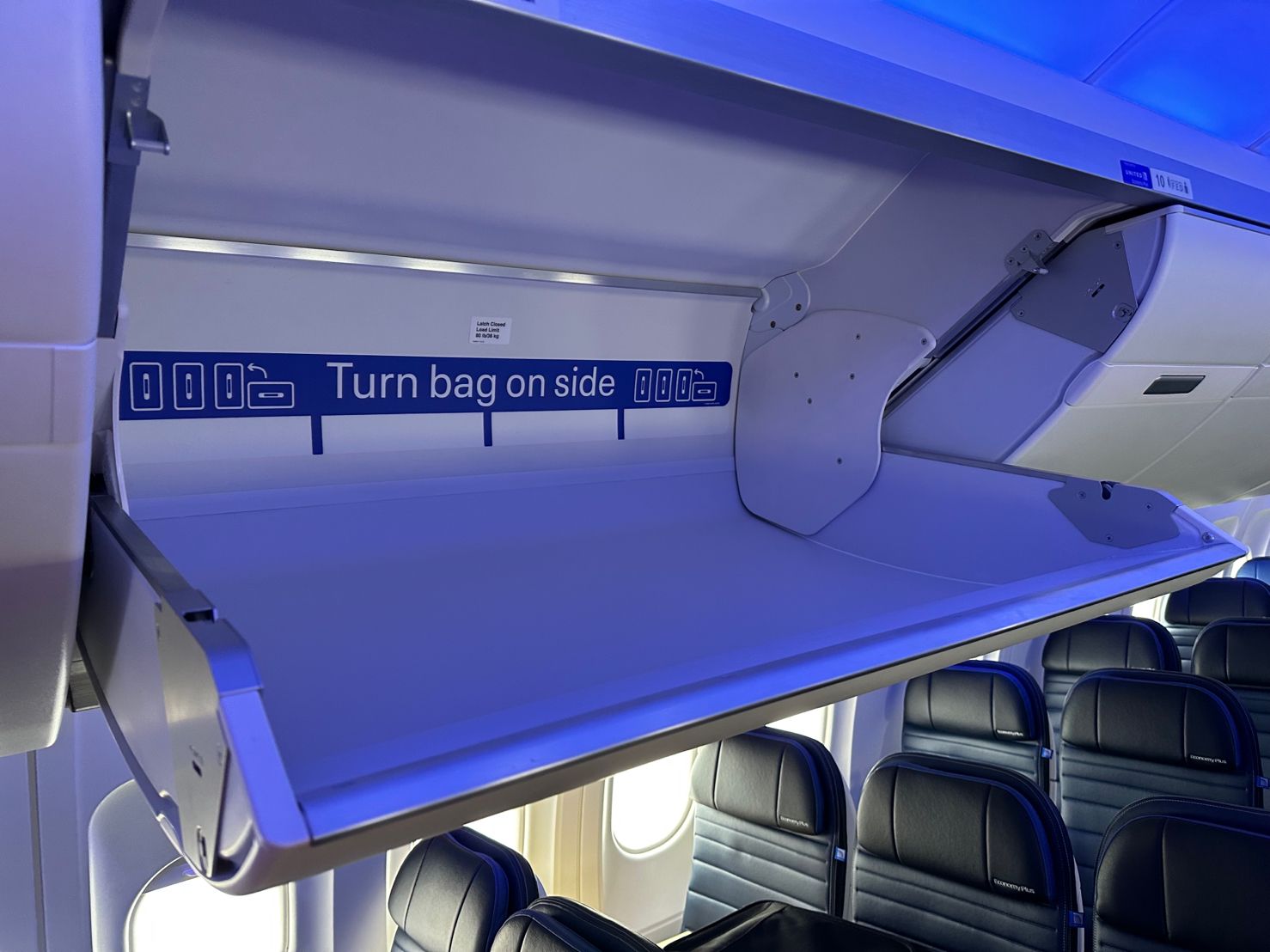
An Australian airline has just done something flyers everywhere have been asking for, that they say solves everything that’s wrong with air travel. And it’s low cost carrier Jetstar. There’s never enough overhead bin space for passengers. Carry-on bags slow down boarding. People bonk each other on the heads with their bags. Wouldn’t travel be so much more efficient if airlines charged passengers for carry-on bags, and carried their checked bags for free? That would incentivize getting the bags out of the cabin, make boarding and deplaning so much faster, and help airlines keep an on-time operation. They could schedule less time on the ground, when hundred million dollar planes are only making money while they’re in the air. I still think a “ we board in 15 mins because carry on bags are $100 and checked bags are free” airline would do well https://t.co/moTHgKNh2J — Tom Goodwin (@tomfgoodwin) July 25, 2026 Easy solution that aligns better with the value and economics: Charge for carry-ons. Checked bags fly free. — Stephen Kneubuehl (@kneubuehl) February 12, 2026 Checked bags for free and then charge these selfish travelers for their “carry-ons”. https://t.co/DABjnz2CuQ — Wes Reynolds (@WesReynolds1) December 27, 2024 The truth is that ‘checked bags free’ may not be the best answer, and you don’t even need it to get the incentives right. Checked bags would only need to be cheaper than carry-ons, so that letting someone else carry your bag for you becomes the money saving default – at least for people who don’t value their time. Jetstar is about to test part of the idea. They’ll charge passengers for access to overhead bins. Jetstar Will Sell Access To Its Overhead Bins For Jetstar Airways flights departing February 2, 2027 onward, the airline’s basic Economy fare will include only one bag that fits under the seat. It can measure no more than 40 x 30 x 20 centimeters. A standard roller bag in the overhead bin will require purchasing “Priority Carry-on.” That includes: One underseat item. One overhead bag measuring up to 56 x 36 x 23 centimeters. Priority boarding after Business Class passengers but before travelers with underseat bags only. Priority Carry-on will be capacity-controlled. Jetstar will sell only as many as it believes the aircraft can accommodate, and it may sell out. The airline’s initial examples, in Australian dollars but pricing will be dynamic, and buying at the airport or gate will cost more. Launceston–Sydney: $25. Adelaide–Brisbane: $26. Sydney–Melbourne: $33. Perth–Bali: $39. Cairns–Tokyo Narita: $52. The 7kg Limit Is Going Away Australian airlines and many European airlines are draconian when it comes to carry-on bag weight limits. In the U.S. we’re used to carrying on anything that fits. In much of the world you can’t take on more than 15 pounds. On some trips my laptop bag can weigh that much. Currently Jetstar currently lets economy passengers bring a main carry-on and a small personal item weighing no more than 7 kilograms combined. Customers can pay for another 7 kilograms on top. Under the new system, Jetstar will stop routinely weighing bags at the gate. Like in the U.S., they’ll focus on bag size – and, like United, whether the passenger has purchased overhead bin access (not purchased basic economy). There’s still a weight limit, up to 10 kg, but no combined weight limit for two bags for someone that’s purchased ‘Priority Carry-on’. And they may not weigh bags at all. There’s no guarantee of overhead space, it’s still a license to hunt, but it’s capacity controlled so there should be space and that also makes things more civilized. You don’t have to rush to board early to gain access. Things get more complicated with bunlding. They’re offering a new Flex bundle that’s closest to the passenger ideal of ‘bags fly free, charge for carry-ons.’ It let the passenger choose: Priority Carry-on, including the overhead bag, or A 20-kilogram checked bag. The passenger is buying transportation for one bag and they choose where the airline carries it. We Already Have This In The U.S. and Europe Frontier, Allegiant, Avelo, Breeze and Sun Country sell carry-on bags separately on their least expensive fares. United does essentially the same thing through fare segmentation. Most passengers traveling on a domestic Basic Economy ticket receive one personal item but not a full-size carry-on. United generally does not sell an overhead bag as a separate add-on. The passenger must purchase a higher fare. So overhead bin space costs more. Air Canada Basic, WestJet UltraBasic and Porter Basic use similar underseat-only fares on some routes. Flair charges separately for an overhead bag. This is already normal in Europe. Ryanair, easyJet, Wizz Air, Norwegian, Vueling, Eurowings, Transavia, Finnair and others advertise fares that include only a small bag. Aer Lingus actually has the ‘perfect incentive model’ passengers are talking about – on many intra-Europe fares checking a 10 kilogram bag is included at no charge but carry-on comes at a fee. Ryanair Plus and Transavia Plus include checked luggage without including a full-size overhead bag. Volaris has international fares that include checked luggage but not an overhead carry-on. Why Charging For Carry-Ons Makes Sense There’s limited capacity in overhead bins. When demand exceeds supply (like for an exit row seat!) the passenger can capture the excess value for themselves, or the airline can do so with a fee. An overhead bag is cheap for an airline until overhead bins fill up. Then its cost increases sharply, since full bins means last minute gate checking bags which require a different gate setup, staffing, and procedures. Plus, passengers stop in the aisle while searching for space. It can also delay flights. The flipside is what Southwest has discovered – charging for checked bags means more passengers carry bags on. That makes boarding take longer. Checked bags aren’t free, of course. A whole infrastructure is required to manage them, not to mention the costs of dealing with mishandled bags. But the marginal cost of an additional checked bag (versus being held in the plane, so weight remains constant) is very low once the structure is in place. However making checked bags free causes passengers to check more bags and that means more weight and more fuel. One of the major reasons we have these fees, though, is tax arbitrage. On U.S. domestic flights, airfare is subject to a 7.5% excise tax. That doesn’t apply to fees. So moving money out of the fare and into fees means airlines pocket tax savings, even if the net cost to the passenger is the same. I like the Jetstar model though – more permissive carry-on rules, strong likelihood of getting bin space regardless of when you board – that’s actually worth something. Topics on this page
Airline Will Charge Passengers To Use The Overhead Bin — Is This The Fix For Boarding Chaos?
Full Article
Original Source
Read the full article at Viewfromthewing →KhanList aggregates and links to publicly available news content. We do not host full articles from third-party sources. Always verify important information with original sources.