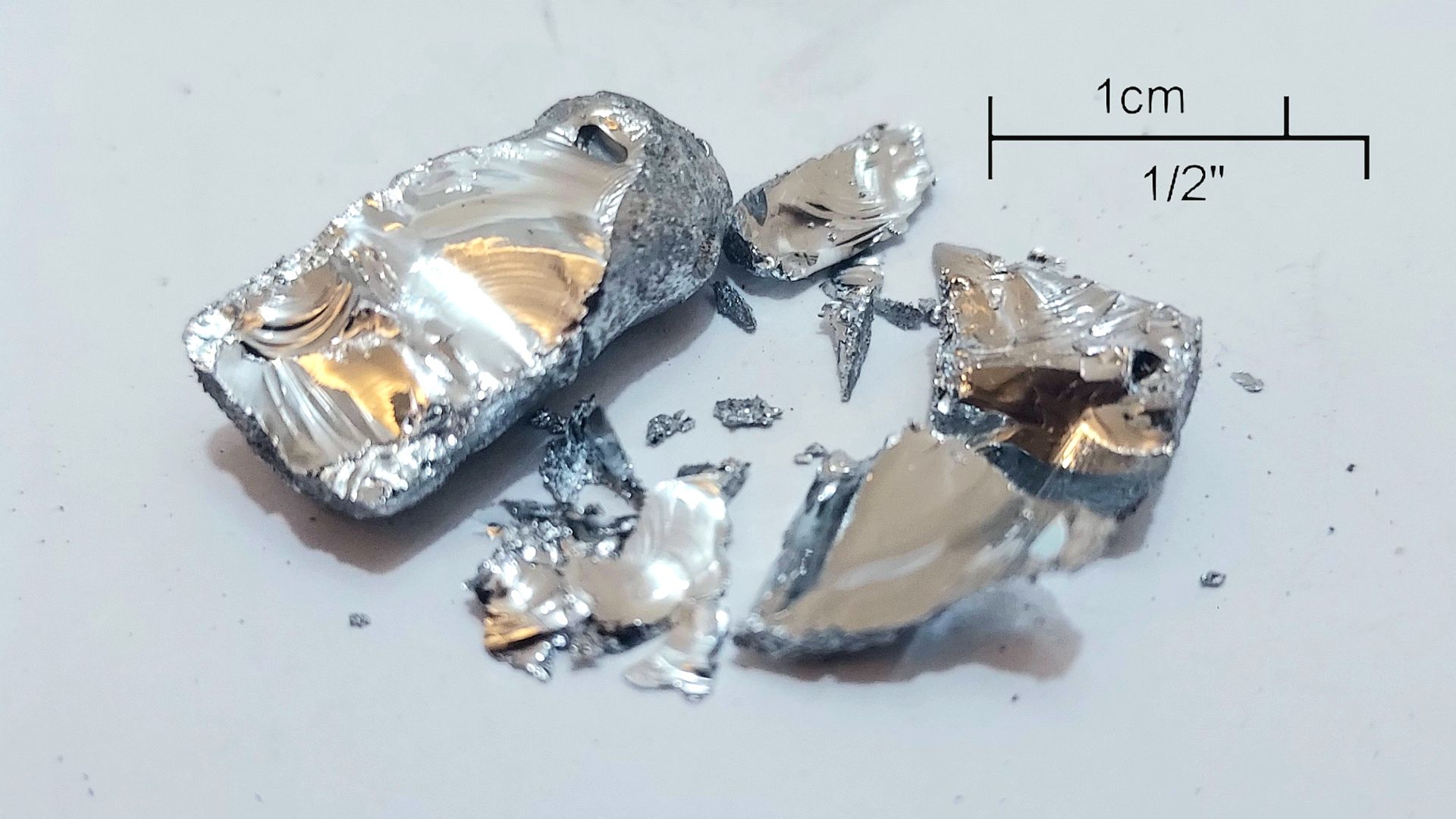
Artificial intelligence may look like a software revolution, but the infrastructure behind it is intensely physical. Data centers require enormous amounts of electrical infrastructure, cooling equipment, processors, networking hardware, and backup systems, and all of those depend on minerals and metals. A 2026 study of AI data-center infrastructure found that power infrastructure accounts for most modeled mineral demand, with copper alone representing 83% of the modeled mineral mass. The U.S. Geological Survey likewise identifies copper, aluminum, gallium, germanium, and rare earth elements among the materials used throughout data-center hardware. Here are five metals that are particularly important to the AI hardware ecosystem. 1. Copper Copper is arguably the most important metal in the physical AI buildout. It carries electricity through data-center power systems, server wiring, transformers, busbars and other infrastructure, while its excellent thermal conductivity also makes it useful for cooling. The scale is significant. The 2026 mineral-demand study found that copper accounts for 83% of total modeled mineral mass associated with AI data-center infrastructure, with transmission and distribution responsible for the largest share. The IMF also notes that a single hyperscale data-center campus can contain nearly as much copper as a midsize mine produces in a year. 2. Gallium Gallium is needed in much smaller quantities than copper, but its importance is concentrated in a critical part of the AI supply chain. Semiconductors. Gallium compounds such as gallium nitride can be used in high-performance power electronics and radio-frequency devices, while gallium-based semiconductor materials are increasingly important across advanced electronics. The IEA identifies gallium as one of the minerals with particularly high supply-risk exposure because production is highly concentrated and substitutes are limited. That makes gallium a potential supply-chain bottleneck despite its relatively small physical footprint. 3. Germanium Germanium is another relatively small-volume material with an outsized role in advanced electronics. It is used in semiconductor applications and high-performance fiber-optic systems, which are important for moving enormous quantities of data around modern computing infrastructure. The IEA lists germanium among the materials with high supply-risk exposure, citing concentrated supply and limited substitution options. Its importance extends beyond AI, but the rapid expansion of high-speed computing and networking makes reliable access increasingly relevant to AI infrastructure. 4. Rare earth elements Rare earths are not one metal but a group of elements, including neodymium, praseodymium, dysprosium and terbium. They are particularly important for high-performance permanent magnets, which are used in motors and other equipment. Data centers use rare-earth-containing components in areas such as cooling and storage hardware, while the broader AI infrastructure ecosystem also relies on increasingly sophisticated motors and electrical equipment. Supply is another concern: the IEA says China accounts for more than 90% of global refining for magnet rare earths. 5. Aluminum Aluminum plays a less glamorous but highly practical role in AI infrastructure. Its combination of low weight, corrosion resistance, and thermal conductivity makes it useful in data-center equipment, including heat sinks and cooling systems. The USGS specifically identifies aluminum alongside copper as a key material in server heat sinks, which transfer heat away from sensitive electronics. As AI processors become more powerful and generate more heat, thermal management becomes increasingly important.The bigger picture is that AI’s mineral appetite is not limited to the chips themselves. Power, cooling, and networking infrastructure can drive an even greater demand for materials, meaning the AI race is also becoming a race to secure the physical resources needed to build it.Get the latest in engineering, tech, space & science - delivered daily to your inbox.Kaif Shaikh is a journalist and writer passionate about turning complex information into clear, impactful stories. His writing covers technology, sustainability, geopolitics, and occasionally fiction. A graduate in Journalism and Mass Communication, his work has appeared in the Times of India and beyond. After a near-fatal experience, Kaif began seeing both stories and silences differently. Outside work, he juggles far too many projects and passions, but always makes time to read, reflect, and hold onto the thread of wonder.
AI needs more than chips: 5 metals powering the data center boom
Full Article
Original Source
Read the full article at Interestingengineering →KhanList aggregates and links to publicly available news content. We do not host full articles from third-party sources. Always verify important information with original sources.