
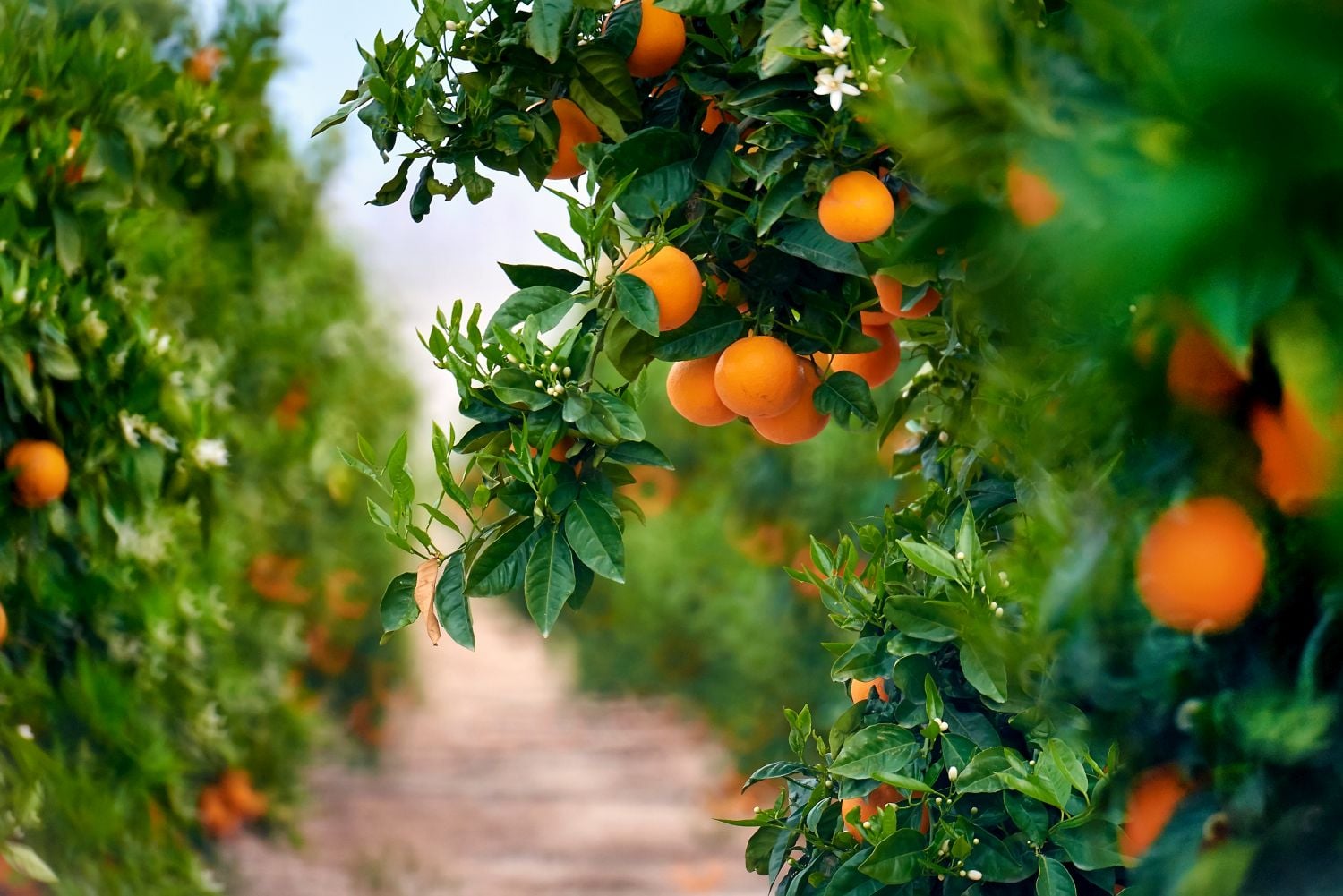
With Washington set to remove SA from Agoa in 2027, citrus growers say tariff-exposed exports threaten orchards and jobs in the Western and Northern Cape. An industry that has enjoyed duty-free export access to the US since 2000 has responded to the US’s decision to remove South Africa from this trade privilege by warning of potential domestic job losses. SA’s citrus industry is one of many that stand to lose the most after the US confirmed late on Monday that it plans to remove the country from inclusion in the African Growth and Opportunity Act (Agoa). Over the past 25 years, the citrus industry, along with the vehicle, jewellery, ferroalloys, nuts, beverages and spirits industries, has enjoyed tariff-free access to the US under Agoa. The US, under Agoa, has in turn enjoyed exports of products including pork and poultry to SA. US consumers ‘will lose too’ The citrus industry responded swiftly to SA’s planned exclusion from Agoa by the US, describing it as a “serious blow”. It says the blow will be felt on both sides. “This will be a loss not just for us, but the US consumer will lose too,” says Dr Boitshoko Ntshabele, CEO of the Citrus Growers’ Association of Southern Africa (CGA). “Citrus trade between SA and the US has always been mutually beneficial. Our citrus is complementary to their production. Our fruit helps keep American consumers in the citrus category during the US off-season. “Seasonal fresh produce does not threaten US jobs. It helps keep America healthy, and also helps contain food inflation.” Industry impact According to the CGA, Agoa was particularly significant for growers in the Western and Northern Cape, where communities depend on the preferential trade between the US and SA. “A citrus grower cannot simply divert [their] crop to another market – markets have different phytosanitary requirements and consumer tastes,” says CGA chair Gerrit van der Merwe in a statement. “Entire orchards have been planted specifically for the US market. Our exclusion from Agoa will result in job losses in the Western and Northern Cape. It is too early to say how many, but some people will unfortunately lose their jobs when this happens.” Late on Monday, the Office of the US Trade Representative (USTR) confirmed the US’s intention to terminate SA, alongside Rwanda, from Agoa, effective 1 January 2027. The office is the federal agency responsible for leading the annual inter-agency review of which countries qualify for Agoa benefits, and then announcing US President Donald Trump’s resulting determination. Its notification of SA’s removal from Agoa means the SA government has 60 days to submit its argument against removal from the trade pact and to convince the US to overturn its decision. The removal does not mean SA loses access to the US market. It means South African exports will no longer enter duty-free under Agoa and will instead face the US’s standard tariff regime, the normal duties applied to countries without a preferential trade arrangement. The citrus industry is preparing for this. Higher cost of exporting The CGA says the loss of Agoa means that South African citrus exports will be exposed to the applicable US rate of duty, generally between 1.5 and 2.5 US cents per kilogramme, depending on the product and timing. The challenge is compounded by the additional 12.5% Section 301 tariff, which applies to all citrus varieties apart from oranges. Oranges have been exempted from tariffs since November 2025, but without Agoa, the US rate of duty applies to SA oranges, the CGA notes. It says the loss of Agoa means that exporters of mandarins, lemons and grapefruit will face both the Section 301 tariff and the normal rate of duty. This would place them at a severe disadvantage to competitors such as Peru and Chile, which benefit from trade agreements as well as shorter transit times, it adds. The impact on jobs will even be felt in the US, the citrus association warns. “Thousands of people in the US are employed in importing, handling, distribution and retail because of South African citrus. That entire value chain, on both sides of the Atlantic, is now under threat.” SA’s response In an interview with Moneyweb, Matthew Parks, parliamentary coordinator for the Congress of South African Trade Unions (Cosatu), said he has been travelling to the US a lot lately as part of his efforts to lobby for SA’s continued inclusion in Agoa. Parks has been meeting labour constituencies in the US, charting a way to keep SA in Agoa and protect the jobs and communities that depend on it. He warned that SA’s removal from Agoa would hit the agriculture and manufacturing sectors hardest, with estimates ranging from around 3 000 job losses to close to 10 000. He expects the job losses to be mostly in the Western Cape, particularly among fruit manufacturers in Atlantis that have enjoyed Agoa privileges. The SA government has been preparing for the worst-case scenario of being excluded from Agoa. Minister of Trade, Industry and Competition Parks Tau recently said SA’s economy would remain resilient after the Agoa exclusion and that the country must also strengthen existing trade relationships and develop new markets, particularly elsewhere in Africa. He pointed to the African Continental Free Trade Area, which aims to create a single continental market and progressively reduce tariffs on goods traded between African countries. Tau confirmed that his department is also exploring trade agreements with countries in the European Union, Asia, Canada, India and the Middle East. This article was republished from Moneyweb. Read the original here.
Agoa exit puts SA citrus and US supply-chain jobs at risk
Full Article
Original Source
Read the full article at Citizen →KhanList aggregates and links to publicly available news content. We do not host full articles from third-party sources. Always verify important information with original sources.