
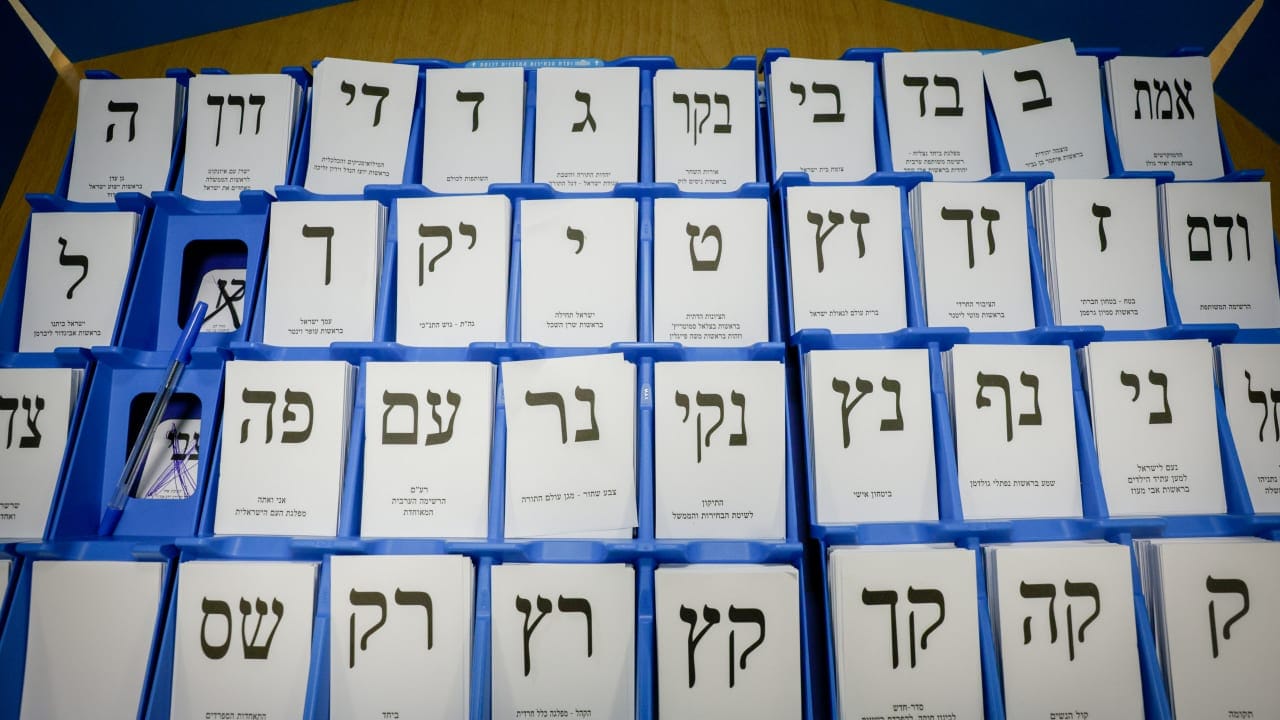
OCTOBER 28, 2026 05:54Israelis have spent three years at war and in bitter argument at home. On Tuesday, they voted in unusually high numbers.That participation was strong from the start. By 2 p.m., turnout had reached 44.9%, with more than three million people having cast ballots. It was the highest turnout recorded at that hour since at least 1973. By 4 p.m., the figure had risen to 55.7%, with over four million cast.The message was already clear: Israelis want a say in what comes next. After everything the country had endured, that willingness to participate deserved celebration.This was the first national election since the October 7 massacre and the wars that followed. Israelis entered polling stations carrying memories of murdered relatives, fallen soldiers, hostage captivity, months of reserve duty, and displacement from their homes. They brought with them economic worries, bitter arguments over responsibility for the country’s failures and achievements, and disagreements about what those experiences meant and who should lead the country through their consequences.The campaign had been intensely divisive. Parties had argued over October 7, Gaza, Iran, the courts, haredi (ultra-Orthodox) conscription, settlements, the economy, and the character of the state itself. Political leaders had accused one another of endangering the country. Voters had heard warnings that virtually every possible result could produce catastrophe.Israelis stand in line to cast their ballots at a polling station during Election Day, October 27, 2026. (credit: Liron Moldovan/Flash90)Millions of voters demonstrate the strength of Israeli democracyMillions responded by putting a slip of paper into an envelope. They made their own choices, in private, with the same right to participate as the people whose opinions had dominated the campaign. Citizens who rarely attended a demonstration or appeared on television had exactly the same ballot as cabinet ministers.Participation also mattered because an election gave people a way to turn their grievances into a decision. Public anger over security failures, the burden of military service, or the cost of living could find expression on a ballot. Each voter had an opportunity to reward a record, reject it, or support an alternative.That opportunity belonged equally to those who had defended the government and those who had demonstrated against it. Their willingness to use the same process was a reason for confidence in the country’s ability to keep making difficult decisions together, even while its citizens remained so deeply divided.The queues at some polling stations were a visible expression of that determination. They also created practical difficulties, especially for elderly people and voters with disabilities. Election officials had a responsibility to keep the process accessible. The patience of voters, and the work of those administering the ballot, deserved recognition.The voters in those lines had chosen differing futures. A high turnout could offer encouragement to the public across the political spectrum, regardless of which party ultimately benefited. Broad participation brought more citizens into the decision about the next Knesset and gave more people a direct part in shaping the country’s direction.Israelis from across society exercise their equal right to voteThat included Arab citizens, whose turnout attracted intense political attention during the day. Their participation was an expression of Israeli democracy. The same was true of haredim, settlers, secular Tel Avivians, residents of development towns, soldiers, and immigrants. Citizenship means having an equal ballot even when other citizens dislike how it is used.There were complaints on Tuesday about missing or damaged voting slips and other alleged irregularities. Those reports must be investigated seriously. Parties were entitled to identify problems and present evidence. Election authorities must provide the public with clear findings, and sweeping conclusions about the integrity of the vote require substantiation.The turnout itself gave the country something to appreciate. Even after years in which Israelis had repeatedly been told that the country was coming apart, citizens across its political and social divides participated in the same democratic process. They brought their disagreements into polling stations and entrusted their choices to the ballot.Democracy depends on citizens believing that their participation matters enough to show up. On Tuesday, millions of Israelis acted on that belief. Their reasons differed, as did their preferred leaders. Yet they participated in a common process for deciding their country’s future. Whatever government eventually emerges from their votes, the scale of that participation deserves recognition. Israelis showed up. That was democracy in action.Follow us on Google
After years of war, division, Israelis vote in record numbers to shape their future - editorial
Full Article
Original Source
Read the full article at Jpost →KhanList aggregates and links to publicly available news content. We do not host full articles from third-party sources. Always verify important information with original sources.