
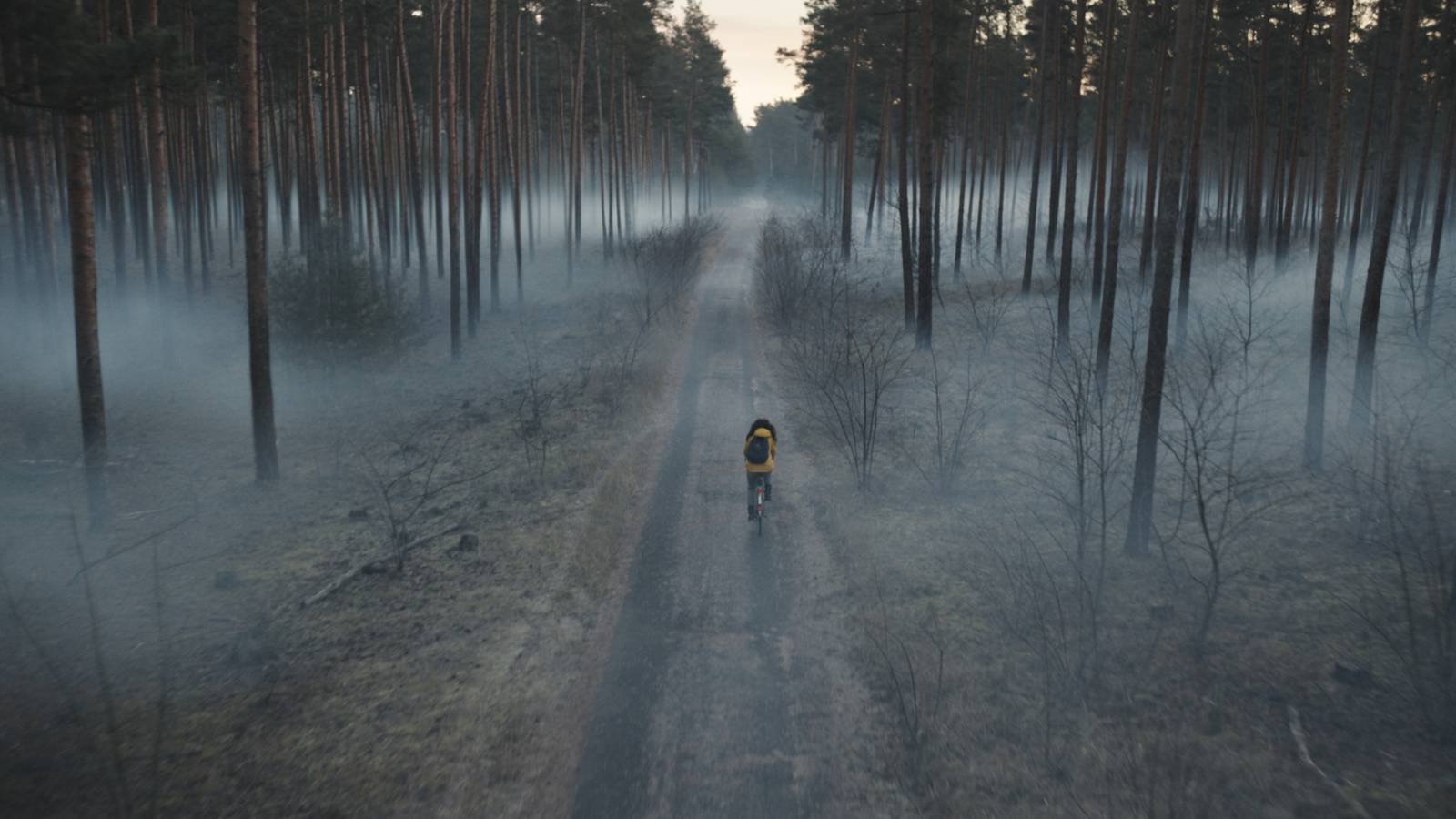
Image courtesy of MovieStillsDb Published Nov 18, 2026, 7:00 PM EST Cathal Gunning has been writing about movies, television, culture, and politics online and in print since 2017. He worked as a Senior Editor in Adbusters Media Foundation from 2018-2019 and wrote for WhatCulture in early 2020. He has been a Senior Features Writer for ScreenRant since 2020. One Netflix sci-fi series managed to perfect the Mystery Box formula and, in the process, the show ensured viewers would never be able to watch any other entry into the genre the same way again. Although Lost is often called the first Mystery Box TV show, David Lynch and Mark Frost’s twisty murder mystery Twin Peaks and the classic ‘90s sci-fi series The X-Files helped shape the genre with their complex mystery plotting and elaborate mythology, respectively. Twin Peaks introduced a level of serialized narrative complexity and obscure, esoteric symbolism that hadn’t been seen on network TV before, while the multi-season mytharc of The X-Files offered viewers a more focused, clearer conspiracy to sink their teeth into during the show's entire original run. That being said, the narrative complexity and experimental arrangement of Lost remained an important moment in the genre’s development. Since Lost’s divisive finale, everything from HBO’s The Leftovers to Yellowjackets, to Prime Video’s video game adaptation Fallout, to Jonathan Nolan’s Westworld reboot has vied to become the next great Mystery Box show. However, while some of these shows are superb, it is Netflix’s three-season hit Dark that truly deserves this title, since the show’s unique sci-fi story structure changes the way viewers encounter any new series in the genre. Netflix's Dark Will Change The Way You Watch Sci-Fi Shows On the face of it, Dark might sound a lot like Netflix’s earlier sci-fi hit Stranger Things. After all, Dark also blends sci-fi plot elements and small-town character drama in the story of a multi-generational group of characters unearthing a bizarre, otherworldly supernatural mystery on the outskirts of their shared community after a local young boy goes missing. However, the differences between the two shows are pivotal. While Stranger Things was a wild ride that grew progressively bigger in scale and scope with each season, Dark told a truly focused, self-contained story. The tale of the town of Winden and its secret cave that facilitates time travel was utterly unique, as viewers were expected to carefully follow multi-decade time travel cycles, casual loops, and intersecting timelines. Essentially, Dark was less like Stranger Things in Germany, and more like a version of Lost that made perfect sense. Of course, this glib assessment is a little unfair on Lost, but the fact remains that Dark’s story truly did cohere in a way few Mystery Box shows do. This meant that new viewers could arrive at the show’s story with everything spoiled and still enjoy the experience, since what made Netflix’s Dark great was how events came together, rather than the specific shocks of finding out the next twist. Dark Has One Of Sci-Fi's Best Time Travel Mechanics Much like Nolan’s Person of Interest, Dark was a sci-fi show of real intellectual depth that actively encouraged viewers to revisit its storylines and see how everything slotted together across its timelines. The satisfying clockwork mechanism of Dark’s storytelling was a refreshing change from the typical Mystery Box approach, where certain questions are never answered, and certain mysteries are simply left unresolved. Here, thanks to Dark’s ingenious time travel mechanics, the show’s character work was as effective and grounded as anything from Lost, but its storytelling was as airtight as Shane Carruth’s infamously complex indie sci-fi Primer. This allowed Dark to fuse heart and head in a Mystery Box mix that gave even HBO’s masterpiece The Leftovers a run for its money. Almost ten years after Dark’s 2017 debut, there is just one issue with the breathless 24-episode story of Winden’s time travel and its myriad unpredictable outcomes. For viewers who had the pleasure of seeing Dark and re-watching the complex sci-fi show, every new show in the genre tends to feel comparatively underwritten and ill planned. Release Date 2017 - 2020-00-00 Network Netflix Showrunner Jantje Friese Cast Louis Hofmann Jonas Kahnwald Lisa Vicari Martha Nielsen Directors Baran bo Odar Writers Marc O. Seng, Martin Behnke, Ronny Schalk Creator(s) Baran bo Odar, Jantje Friese
After Netflix's 95% RT Time Travel Series, You'll Never Watch Another Sci-Fi Show The Same
Full Article
Original Source
Read the full article at Screenrant →KhanList aggregates and links to publicly available news content. We do not host full articles from third-party sources. Always verify important information with original sources.